The Attica Prison Riot: September 9, 1971
1971 · Attica, United States
The Attica Prison riot began at the Attica Correctional Facility in New York, leading to a four-day standoff.
September 13, 1971
The Attica Prison riot in New York ended after four days when state police stormed the facility, resulting in the deaths of 43 people, including 10 hostages.
Attica, United States | New York State Police
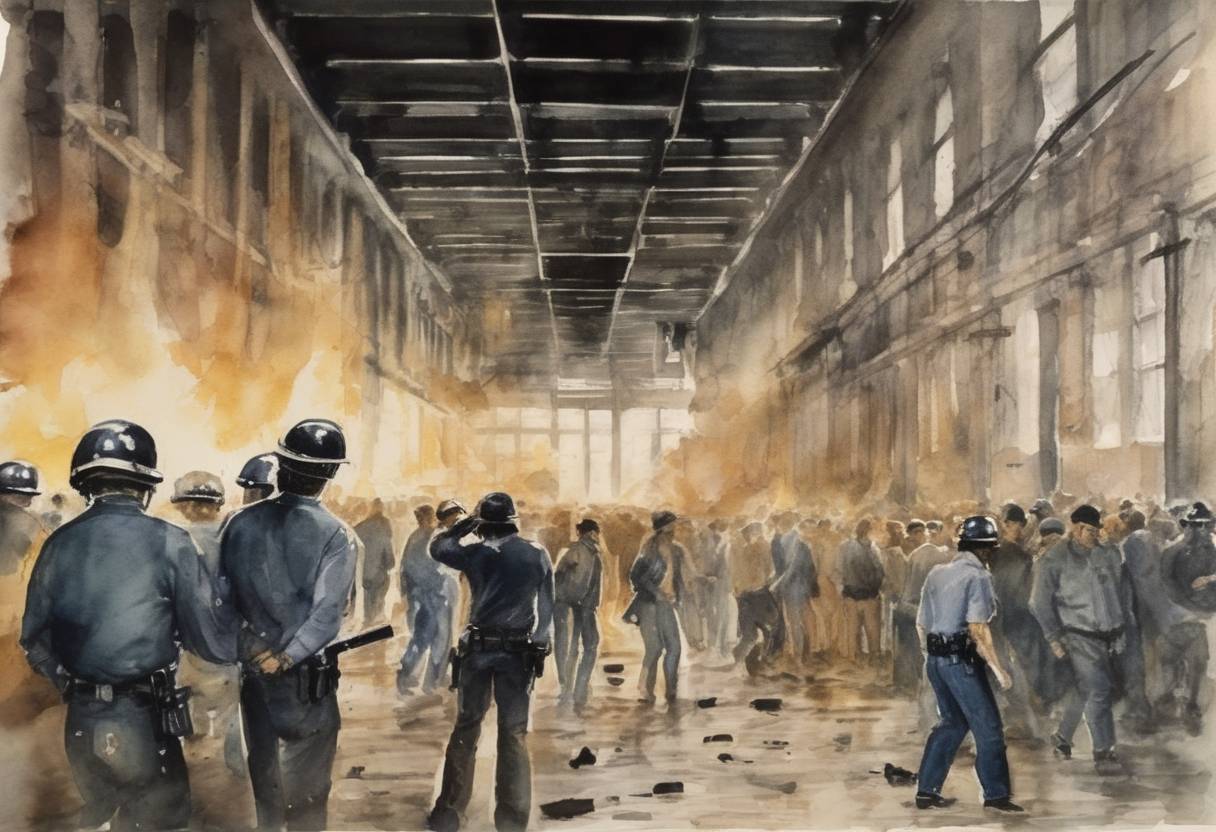
The Attica Prison riot, one of the most significant and tragic events in the history of the American penal system, concluded on September 13, 1971, after four days of intense standoff and negotiations. The riot took place at the Attica Correctional Facility in Attica, New York, and resulted in the deaths of 43 individuals, including 33 inmates and 10 hostages.
The Attica Correctional Facility, opened in 1931, was a maximum-security prison known for its harsh conditions and overcrowding. By the early 1970s, tensions were high due to poor living conditions, racial discrimination, and limited access to basic necessities and rehabilitation programs. Inmates were frustrated with the lack of respect and the oppressive environment, which mirrored broader social and racial tensions in the United States during this period.
The uprising began on September 9, 1971, when a group of inmates took control of the prison, capturing 42 staff members as hostages. The inmates demanded better living conditions, political rights, and amnesty for the riot’s participants. Negotiations between the inmates and state officials, including representatives from the media and civil rights organizations, took place over the next few days.
On September 13, after negotiations stalled, New York Governor Nelson Rockefeller authorized state police to retake the prison by force. The assault involved the use of tear gas and live ammunition. The operation was chaotic and resulted in the deaths of 43 people, including 10 hostages who were killed by gunfire from law enforcement. The aftermath revealed that many of the hostages had been killed by the bullets of the rescuers, not the inmates.
The Attica Prison riot highlighted the urgent need for prison reform and brought national attention to the conditions within the American penal system. It exposed the racial and social injustices faced by inmates and sparked widespread debate about the treatment of prisoners and the use of force by law enforcement.
In the years following the riot, there were numerous investigations and legal actions, including a class-action lawsuit filed by the inmates. The event led to some reforms in prison policies, though many issues highlighted by the riot persist in various forms today.
The Attica Prison riot remains a powerful symbol of the struggle for human rights and justice within the prison system and serves as a reminder of the potential consequences of neglecting the welfare and dignity of incarcerated individuals.
Source: en.wikipedia.org