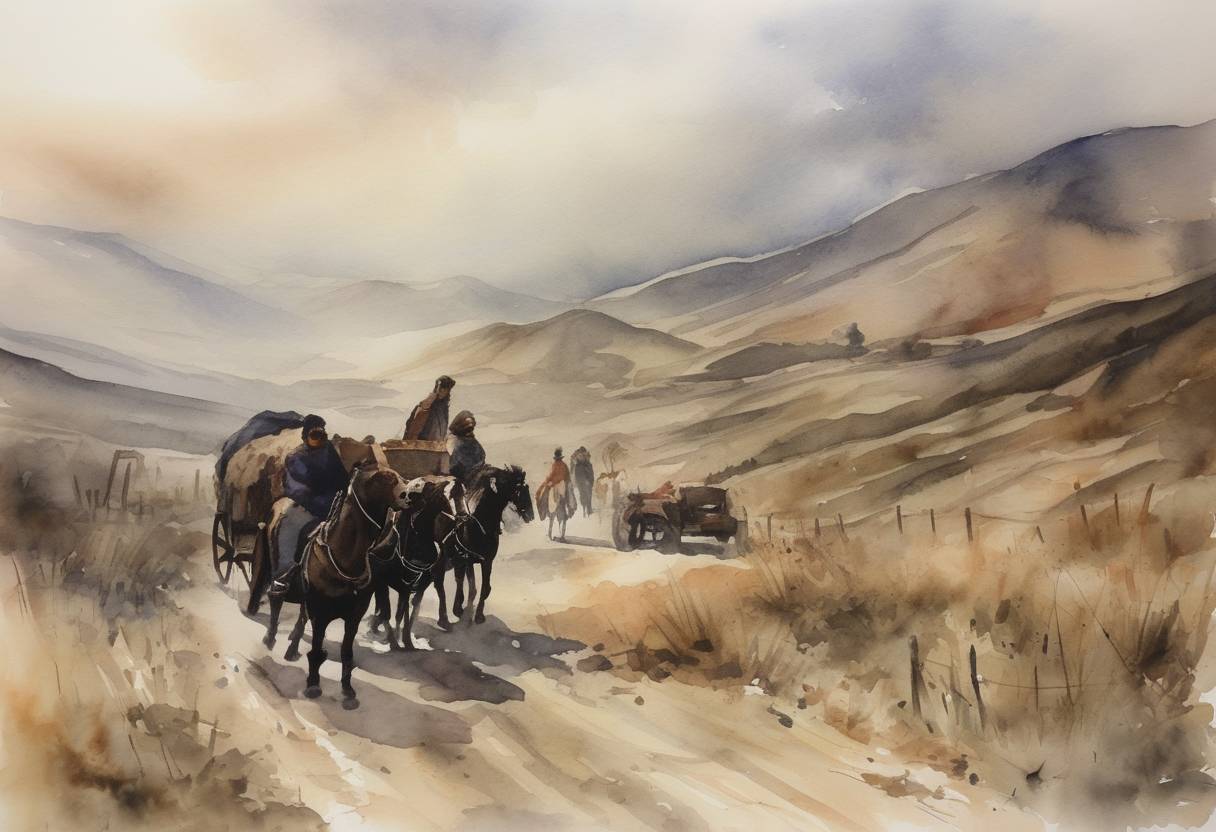
Commemoration of the Armenian Genocide Centennial on April 24, 2015
On April 24, 2015, Armenians around the world paused to commemorate the centennial of the Armenian Genocide, a somber and significant remembrance of the persecution the Armenian community faced beginning in 1915 under the Ottoman Empire. This day marked 100 years since the start of systematic exterminations that resulted in the deaths of an estimated 1.5 million Armenians, alongside associated instances of deportation and displacement.
Historical Context
In the late 19th and early 20th centuries, the Ottoman Empire was increasingly characterized by nationalist movements and internal dissent. Within this environment, the Ottoman government perpetrated widespread massacres and forced marches aimed at obliterating the Armenian population, a Christian minority considered a threat to the empire’s integrity. The persecution commenced on April 24, 1915, when hundreds of Armenian intellectuals and leaders were arrested in Constantinople (now Istanbul), signifying the onset of what would become known as the Armenian Genocide.
Global Commemoration
To honor the victims and survivors of the genocide, communities worldwide organized numerous commemorative events on April 24, 2015. These events included memorial services, marches, and educational forums aimed at raising awareness and seeking acknowledgment and justice. Each year on this date, Armenians reflect on their history, honoring those lost and advocating for the recognition of the genocide by those countries that have yet to do so.
Significant Observances in 2015
Yerevan, Armenia: The Tsitsernakaberd Armenian Genocide Memorial hosted thousands who gathered for a somber ceremony of remembrance. Dignitaries, including the presidents of several countries, participated in the memorial events.
International Recognition: Numerous global leaders and politicians issued statements marking the centennial. Pope Francis held a special mass recognizing the genocide, referring to it as “the first genocide of the 20th century,” which sparked diplomatic tension with Turkey.
Public Demonstrations: In cities with significant Armenian populations, such as Los Angeles, Paris, and Beirut, large marches and events called for recognition and remembrance of the genocide. These events aimed to emphasize the enduring impact of the genocide on Armenian identity and the continued advocacy for international recognition.
Broader Historical Implications
The commemoration of the Armenian Genocide holds significant importance beyond the Armenian community. It highlights the enduring challenges of ensuring historical acknowledgment and justice for genocides, urging the international community to prevent future atrocities. Recognition of the Armenian Genocide remains a contentious geopolitical issue, with several countries affirming its historical validity, while others, including Turkey, dispute the characterization of the events as genocide.
The centenary in 2015 marked a pivotal point for reflection on past injustices and underscored the ongoing pursuit for recognition and reconciliation, creating an opportunity for education and dialogue on human rights and historical memory.