1664 · New York, United States
The city of New Amsterdam was officially ceded to the British and renamed to New York, following the capture by the English fleet during the Anglo-Dutch War.
November 1, 1683
The British crown colony of New York was subdivided into 12 counties, establishing much of the administrative structure used today.
New York, British America | British Crown
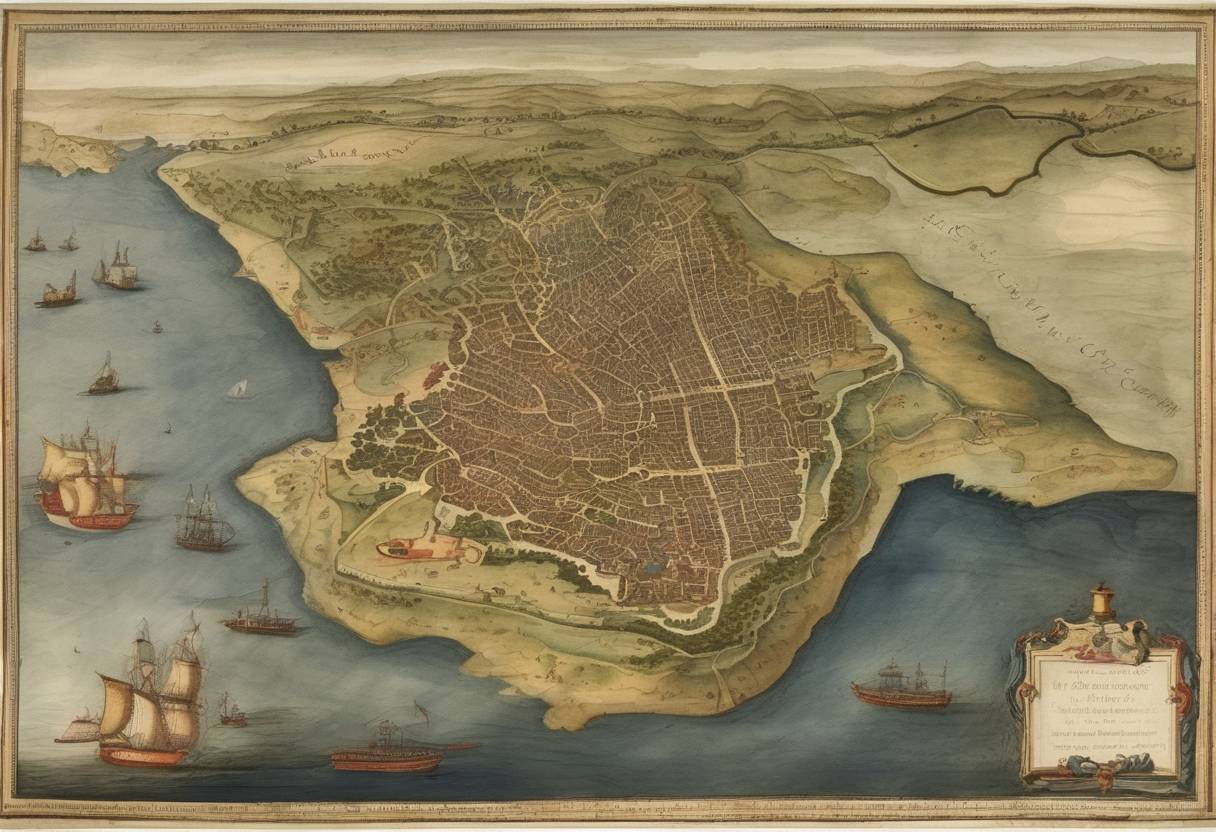
On November 1, 1683, the British crown colony of New York underwent a significant administrative reorganization. Governor Thomas Dongan, appointed by King Charles II, implemented a new colonial structure that divided the territory into 12 distinct counties. This change marked a pivotal moment in the establishment of local government and laid down a substantial part of the administrative framework for the region that endures to this day.
Colonial Administration: Prior to this division, the governance of New York was less formally organized. The establishment of counties was part of a broader initiative to improve administrative efficiency and local governance.
Dongan’s Role: As Governor, Thomas Dongan was instrumental in shaping the colonial government’s structure, including the integration of what was then Dutch New Netherland into a coherent English colony.
The twelve counties created were:
Governance and Administration: This division allowed for more localized governance and jurisdictional clarity, aiding law enforcement and tax collection, while also promoting the development of local political institutions.
Lasting Impact: Many of these counties still exist today, albeit with some alterations and divisions, reflecting the enduring legacy of this early administrative subdivision.
Colonial Stability: The structured governance helped stabilize the colony under English control, following its transition from Dutch rule, thus reinforcing English legal and political norms.
This reorganization was a key step in the evolution of New York’s governmental landscape, setting a standard for future administrative structures in American colonies.
Source: www.nycgovparks.org