The Inaugural Youth Olympic Games: Singapore 2010
2010 · Singapore, Singapore
The first-ever Youth Olympic Games opened in Singapore, featuring athletes aged 14 to 18 from around the world.
August 16, 2010
The first-ever Youth Olympic Games were officially opened in Singapore, marking a new chapter in the Olympic movement by focusing on young athletes aged 14 to 18.
Singapore, Singapore | International Olympic Committee
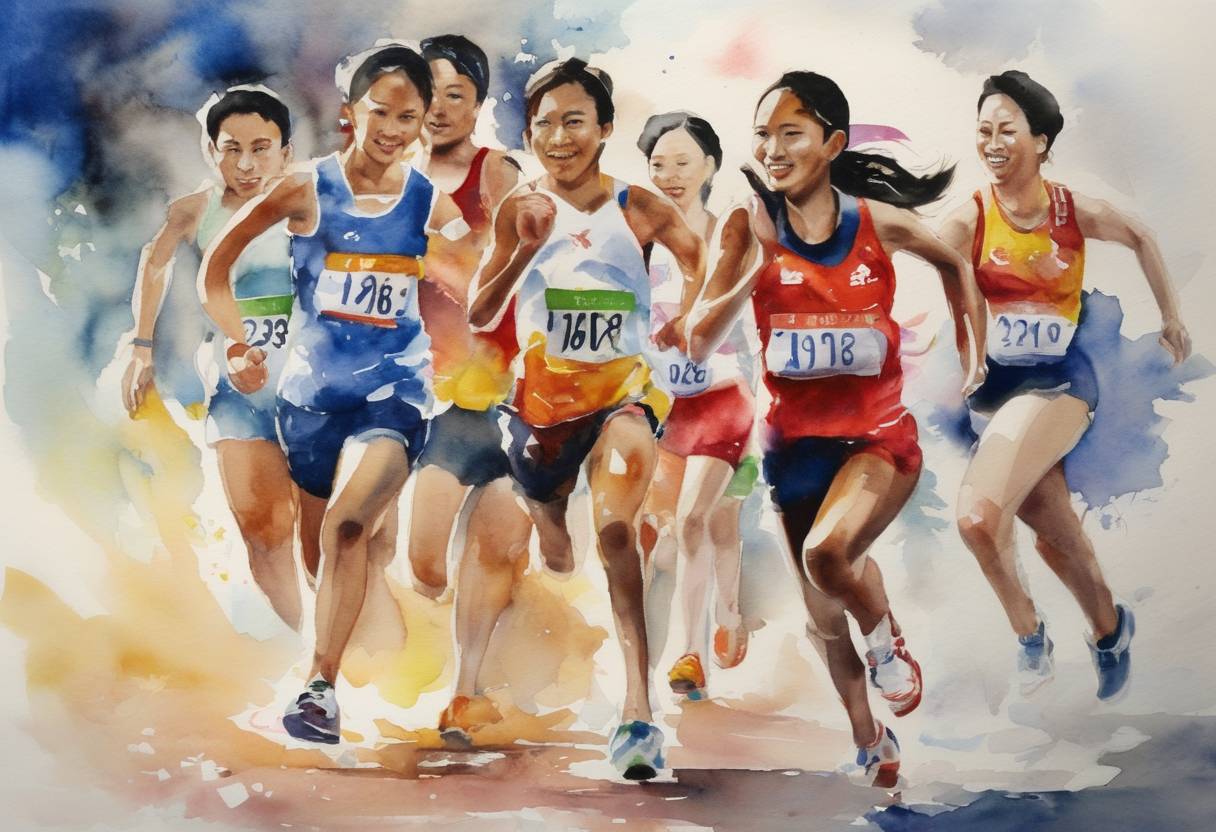
On August 16, 2010, the inaugural Youth Olympic Games (YOG) officially opened in Singapore, establishing a significant milestone in the history of the Olympic movement. This event marked the establishment of a global sports platform specifically designed for young athletes aged between 14 and 18 years old.
The concept of the Youth Olympic Games was introduced by the International Olympic Committee (IOC) in 2007 under the leadership of then-president Jacques Rogge. The idea centered around promoting the values of Olympism such as excellence, friendship, and respect among youth worldwide, while also focusing on both cultural exchange and education, alongside sporting competition.
The grand opening ceremony took place at The Float @ Marina Bay, a floating stage on Marina Bay in Singapore, showcasing a vibrant mix of local culture and international spirit. The Singaporean landscape provided a striking backdrop for the occasion, while performances celebrated both modern and traditional elements. The ceremony was attended by thousands of spectators, including international dignitaries and the leaders of the IOC.
Singapore hosted more than 3,500 athletes from 204 National Olympic Committees. The participants competed in 26 sports, mirroring the Olympic program, albeit with a focus on promoting education and cultural understanding through various workshops and activities. This blend of competition and learning reflected the enduring goals of the YOG in nurturing future sports leaders.
The success of the Singapore 2010 Youth Olympic Games laid a foundational legacy for future editions, emphasizing the development of young athletes in a global context. This new avenue has since provided emerging sports talent with a unique opportunity to engage on an international stage, thereby fostering the next generation of Olympians and strengthening global sportsmanship.
The Youth Olympic Games continue to play a crucial role in the Olympic movement by promoting a healthier lifestyle among youth and encouraging young people to participate in sports as well as embrace international cultural diversity.
Source: www.olympic.org