Barbados Becomes a Republic
On December 1, 2021, Barbados officially transitioned from a constitutional monarchy to a republic, marking a significant shift in the nation’s political landscape. This historic change culminated in the removal of Queen Elizabeth II as the head of state, a symbolic gesture of full political sovereignty and the reaffirmation of Barbados’s identity as an independent nation.
Key Events
The Transition
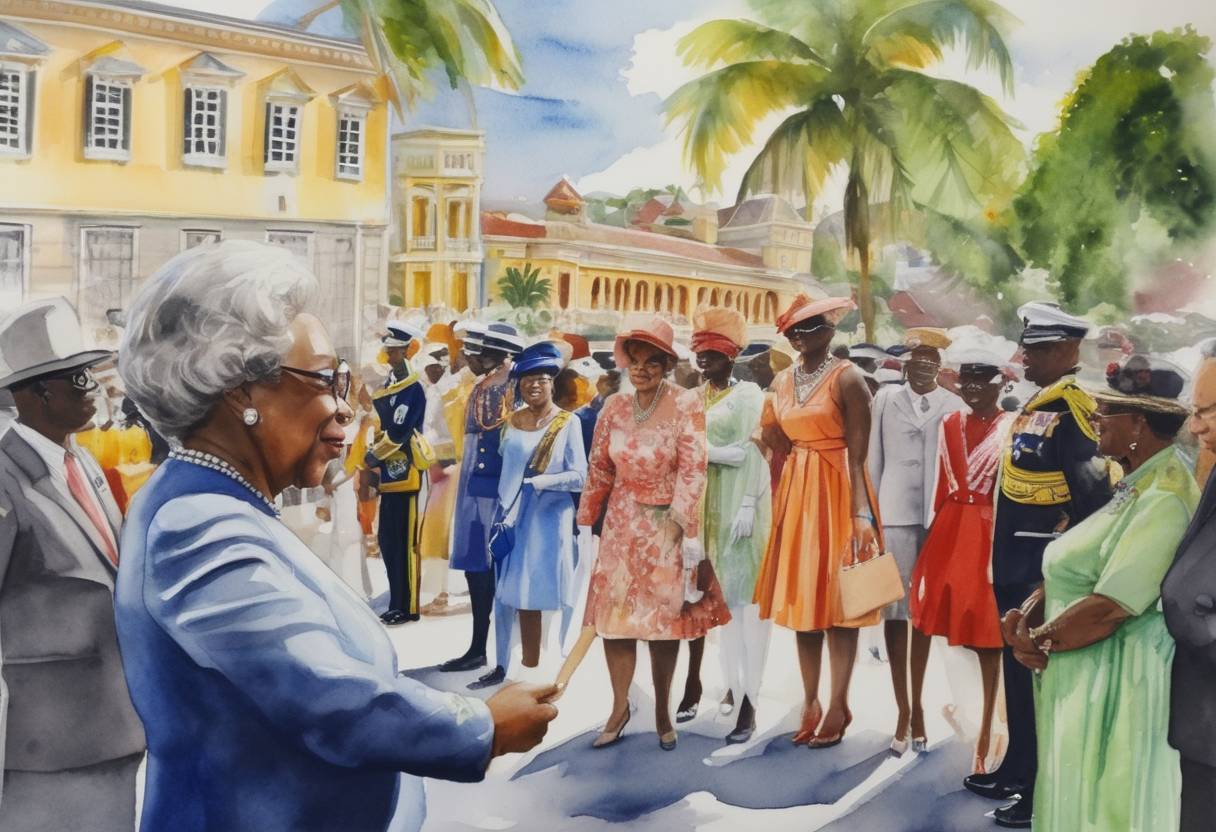
- Swearing-in Ceremony: The pivotal moment was marked by the swearing-in of Dame Sandra Mason as the first President of Barbados. Dame Sandra Mason, formerly the Governor-General, was inaugurated in an elaborate ceremony held at midnight in the country’s capital, Bridgetown.
- Constitutional Change: This transition followed a series of constitutional amendments that facilitated the establishment of a republic. The movement towards republican status was championed by both major political parties and reflected a broad consensus among Barbadian leaders and the public.
Celebrations and Symbolism
- National Celebrations: The event was celebrated with cultural performances and public festivities, underscoring national pride and unity. The celebrations were attended by international dignitaries, including Prince Charles, who acknowledged the enduring relationship between Barbados and the United Kingdom despite the constitutional change.
- Symbolic Significance: By replacing the British monarch with a locally elected head of state, Barbados emphasized its post-colonial identity and aspirations for the future. This marked a pivotal moment in the island’s history of moving towards complete sovereignty, following its independence from Britain on November 30, 1966.
Broader Context and Implications
Historical Background
- Colonial History: Barbados had been a British colony since the 17th century and was part of the Commonwealth realm with the Queen serving as the ceremonial head of state even after gaining independence.
- Movement Towards Republicanism: Discussions and movements toward republican status had been present in Barbados since independence, gaining momentum in recent decades.
Regional and International Impact
- Inspiration for Others: Barbados’s transition was closely watched by other Commonwealth nations, and it has inspired discussions about republicanism in other former colonies still under the British crown.
- Diplomatic Relationships: The country maintained its membership within the Commonwealth of Nations, emphasizing a continued partnership with former colonial powers and other Commonwealth member states.
Conclusion
Barbados’s transition to a republic on December 1, 2021, represents a significant step in its national journey, symbolizing full autonomy and a proud affirmation of its cultural identity. This monumental shift has positioned Barbados as a leader among nations re-evaluating colonial-era structures and considering indigenous governance systems reflective of post-independence aspirations.