Pakistani General Elections of May 11, 2013
2013 · Islamabad, Pakistan
The Pakistani general elections were held, marking the first democratic transition of power in the country's history.
December 27, 2007
Benazir Bhutto, former Prime Minister of Pakistan, was assassinated in a combined shooting and bombing attack during a political rally in Rawalpindi.
Rawalpindi, Pakistan | Pakistan Peoples Party
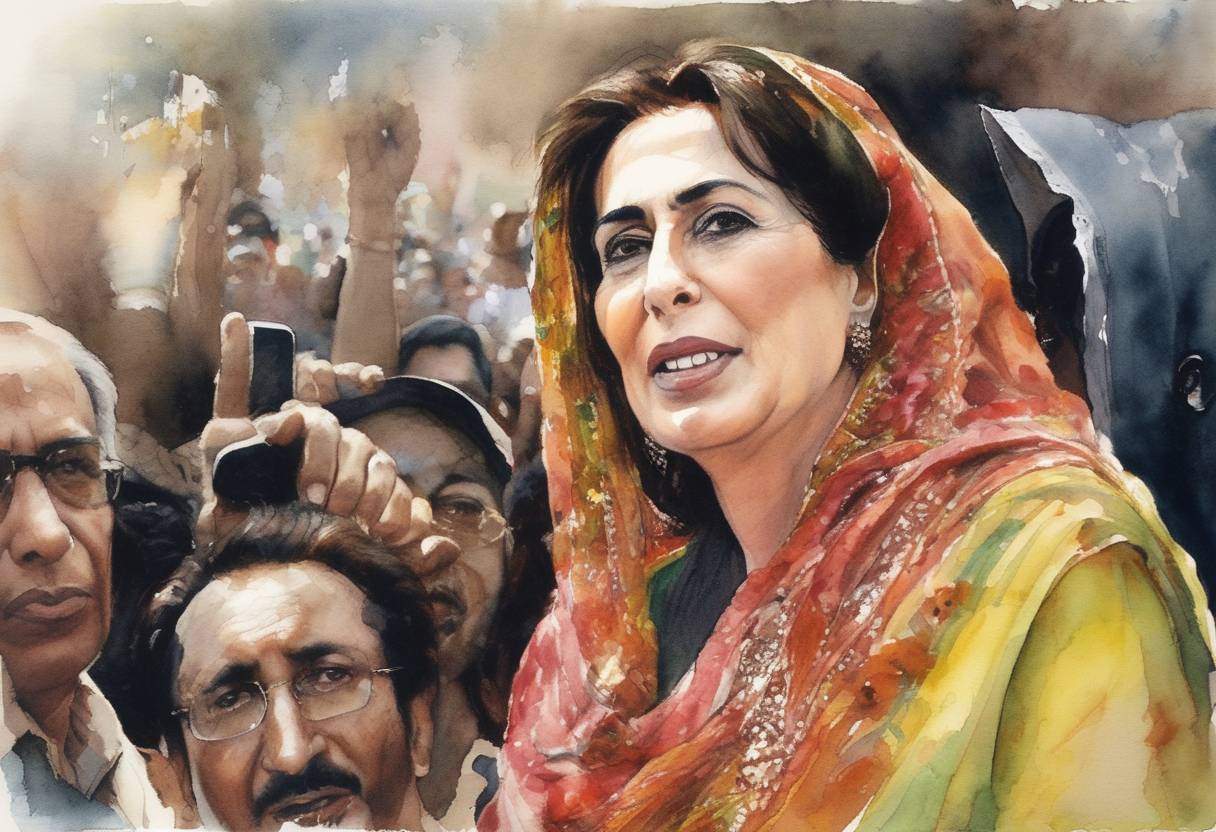
On December 27, 2007, Benazir Bhutto, the former Prime Minister of Pakistan, was assassinated in a tragic and violent attack during a political rally in Rawalpindi, Pakistan. This event marked a significant moment in Pakistan’s political history, with far-reaching implications for the country’s future.
Benazir Bhutto was a prominent political figure in Pakistan, serving as the Prime Minister from 1988 to 1990 and again from 1993 to 1996. She was the first woman to lead a Muslim-majority country, and her leadership was marked by efforts to modernize Pakistan and promote women’s rights. Bhutto was the daughter of Zulfikar Ali Bhutto, a former Prime Minister and President of Pakistan, and she led the Pakistan Peoples Party (PPP), a major political force in the country.
After years of self-imposed exile due to corruption charges, Bhutto returned to Pakistan in October 2007 to participate in the upcoming general elections. Her return was met with both enthusiasm and hostility, reflecting the polarized political climate in Pakistan.
On the day of her assassination, Bhutto was campaigning for the PPP in Rawalpindi, a city with significant military presence and political importance. As she left the rally, she stood up through the sunroof of her armored vehicle to wave to supporters. At this moment, a gunman fired shots at her, followed by a suicide bomber detonating explosives near her vehicle.
The attack resulted in the deaths of Bhutto and at least 20 others, with many more injured. The assassination shocked the nation and the world, leading to widespread violence and protests across Pakistan.
The assassination of Benazir Bhutto had profound consequences for Pakistan:
Political Instability: Her death plunged Pakistan into a period of political turmoil. The general elections, initially scheduled for January 2008, were postponed to February 2008. The PPP, led by Bhutto’s widower Asif Ali Zardari, eventually won the elections, and Zardari became President of Pakistan.
Security Concerns: The attack highlighted the severe security challenges facing Pakistan, including the threat posed by extremist groups. It underscored the need for comprehensive measures to combat terrorism and ensure the safety of political figures.
Legacy and Memory: Bhutto’s assassination left a lasting impact on Pakistan’s political landscape. She is remembered as a symbol of democratic struggle and resilience, and her legacy continues to influence Pakistani politics.
Benazir Bhutto’s assassination is a reminder of the complex interplay between politics, security, and extremism in Pakistan. It also reflects the broader challenges faced by leaders in regions marked by political instability and violence. Her life and death continue to be subjects of study and reflection for those interested in the dynamics of leadership, gender, and democracy in South Asia.
Source: www.britannica.com