iTunes Store Launch in Europe: October 14, 2003
2003 · Cupertino, United States
Technology company Apple Inc. launched the iTunes Store in Europe, initially available in the UK, France, and Germany.
October 23, 2001
The Apple iPod was first introduced by Steve Jobs, marking a significant moment in the evolution of portable music devices and digital music consumption.
Cupertino, United States | Apple Inc.
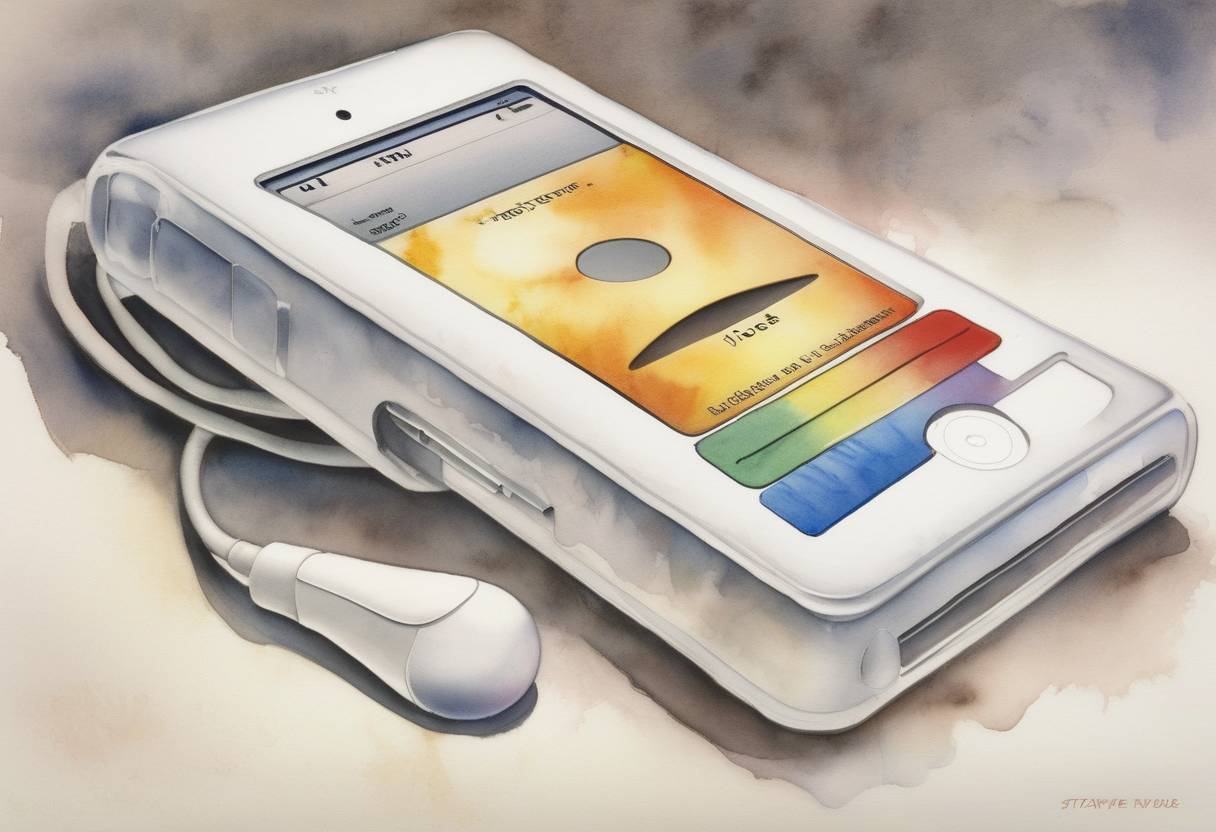
On October 23, 2001, Steve Jobs, the co-founder and then CEO of Apple Inc., introduced the world to the Apple iPod, a groundbreaking portable music device that would revolutionize the way people listen to and manage music. This event marked a significant milestone in the evolution of digital music consumption and portable music devices.
Before the iPod’s introduction, the music industry was undergoing a transformation due to the rise of digital music formats like MP3s. However, the market for portable digital music players was fragmented, with existing devices often criticized for their limited storage capacity, poor user interfaces, and cumbersome designs.
Apple, known primarily for its line of Macintosh computers at the time, saw an opportunity to innovate in this space. The company aimed to create a device that was not only functional but also stylish and easy to use, aligning with Apple’s philosophy of integrating technology with design.
The introduction of the iPod had a profound impact on both Apple and the music industry:
The success of the iPod led to the development of various models and iterations, including the iPod Mini, Nano, Shuffle, and Touch. Each new version introduced enhancements and features that kept the product line relevant and popular for over a decade.
Although the iPod’s prominence has diminished with the advent of smartphones and streaming services, its legacy endures. The iPod’s introduction marked the beginning of a new era in personal technology, showcasing Apple’s ability to innovate and shape consumer behavior.
In summary, the launch of the Apple iPod on October 23, 2001, was a pivotal moment in the history of technology and music, setting the stage for the digital age of music consumption and solidifying Apple’s position as a leader in consumer electronics.
Source: www.apple.com