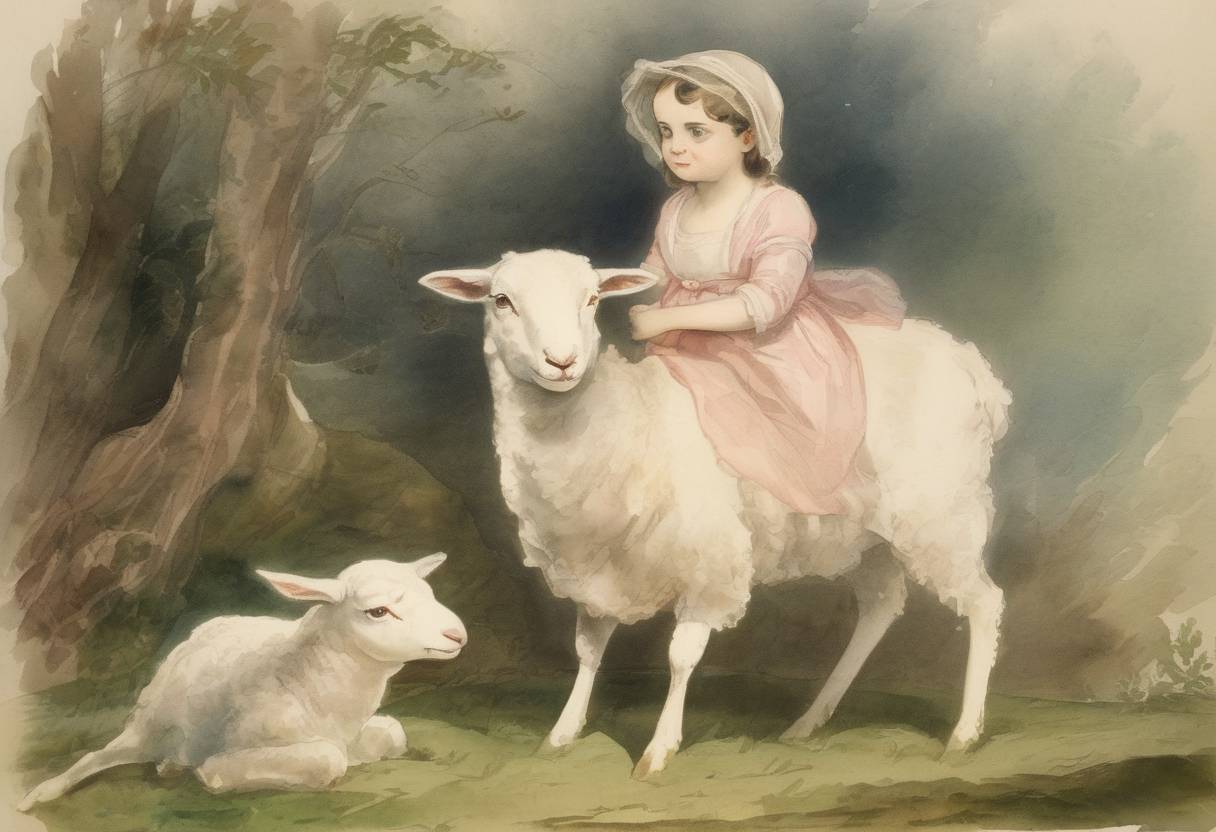
Publication of “Mary Had a Little Lamb” by Sarah Josepha Hale
On May 24, 1830, the nursery rhyme “Mary Had a Little Lamb” was published by Sarah Josepha Hale. This event marked a significant moment in American literary history, as the rhyme would become one of the most enduring and beloved children’s poems in the English language.
Background
Sarah Josepha Hale was a prominent American writer and editor in the 19th century. Born in 1788 in Newport, New Hampshire, Hale was a pioneering figure in American literature and is often remembered for her advocacy of women’s education and her role in establishing Thanksgiving as a national holiday.
The Rhyme
“Mary Had a Little Lamb” was first published in a collection titled “Poems for Our Children.” The poem tells the simple and charming story of a young girl named Mary and her pet lamb, which follows her to school, much to the delight and surprise of her classmates. The rhyme’s catchy and repetitive structure made it easy for children to memorize and recite, contributing to its lasting popularity.
Historical Context
The early 19th century was a period of growing interest in children’s literature in the United States. Authors and educators began to recognize the importance of creating engaging and educational content for young readers. Hale’s work, including “Mary Had a Little Lamb,” played a crucial role in this movement by providing accessible and entertaining material for children.
Legacy
The publication of “Mary Had a Little Lamb” had a lasting impact on American culture. The rhyme has been passed down through generations, becoming a staple in early childhood education and a symbol of the innocence and simplicity of childhood. It has been adapted into numerous songs, books, and educational materials, ensuring its place in the cultural canon.
Sarah Josepha Hale’s contribution to children’s literature and her broader influence as a writer and editor underscore her importance in American history. Her work continues to be celebrated for its enduring appeal and its role in shaping the landscape of children’s literature.