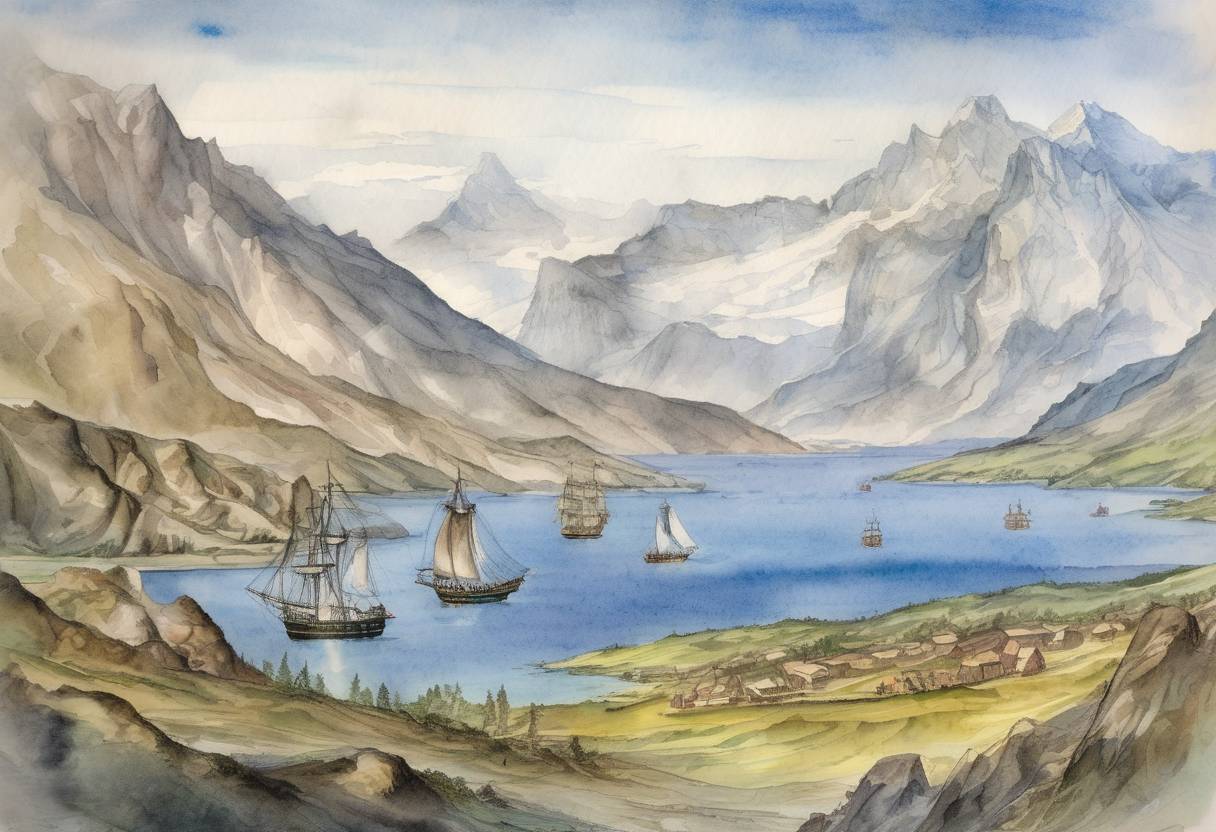
On November 1, 1520, the Portuguese explorer Ferdinand Magellan successfully navigated the strait that would later bear his name, the Strait of Magellan. This significant event was a pivotal moment in the first recorded circumnavigation of the globe, marking a crucial passage through the southern tip of South America.
Context and Background
Ferdinand Magellan set sail from Spain in 1519 with a fleet of five ships, known as the Armada de Molucca, under the commission of King Charles I of Spain. The expedition’s primary goal was to find a westward route to the Spice Islands (the Maluku Islands in present-day Indonesia), which were highly valued for their lucrative spices.
Key Events Leading to the Discovery
Departure and Initial Challenges: Magellan’s fleet departed from Seville in September 1519. The journey was fraught with challenges, including harsh weather, difficult navigation, and tensions among the crew.
Search for a Passage: As the fleet sailed along the eastern coast of South America, Magellan was determined to find a passage through the continent to reach the Pacific Ocean. After wintering in what is now Argentina, the expedition resumed its search.
Discovery of the Strait: On October 21, 1520, Magellan’s fleet entered the strait, which he initially named the “Strait of All Saints” because they began the passage on All Saints’ Day. The strait is a complex network of navigable channels and fjords, and it took the fleet several weeks to traverse it.
The Passage and Its Significance
Completion of the Passage: By November 28, 1520, Magellan’s fleet emerged into the Pacific Ocean, marking the first successful navigation of the strait. This achievement proved that there was a navigable sea route from the Atlantic to the Pacific, which was a monumental discovery for European explorers.
Impact on Global Exploration: The navigation of the Strait of Magellan opened new maritime routes for trade and exploration, significantly impacting global navigation and commerce. It demonstrated the feasibility of circumnavigating the globe, a feat completed by Magellan’s expedition in 1522, albeit without Magellan himself, who was killed in the Philippines in 1521.
Aftermath and Legacy
Naming of the Strait: The strait was later named in honor of Magellan, recognizing his role in its discovery and navigation.
Influence on Future Explorations: The successful navigation of the strait paved the way for future explorers and solidified Spain’s interest in Pacific exploration and colonization.
Ferdinand Magellan’s navigation of the strait remains a landmark achievement in the Age of Exploration, symbolizing human determination and the relentless pursuit of knowledge and discovery.