Estonia Adopts the Euro: January 1, 2011
2011 · Tallinn, Estonia
Estonia adopts the Euro as its official currency, becoming the 17th member of the Eurozone.
January 1, 2009
Slovakia adopts the Euro as its official currency, becoming the 16th member of the Eurozone.
Bratislava, Slovakia | European Union
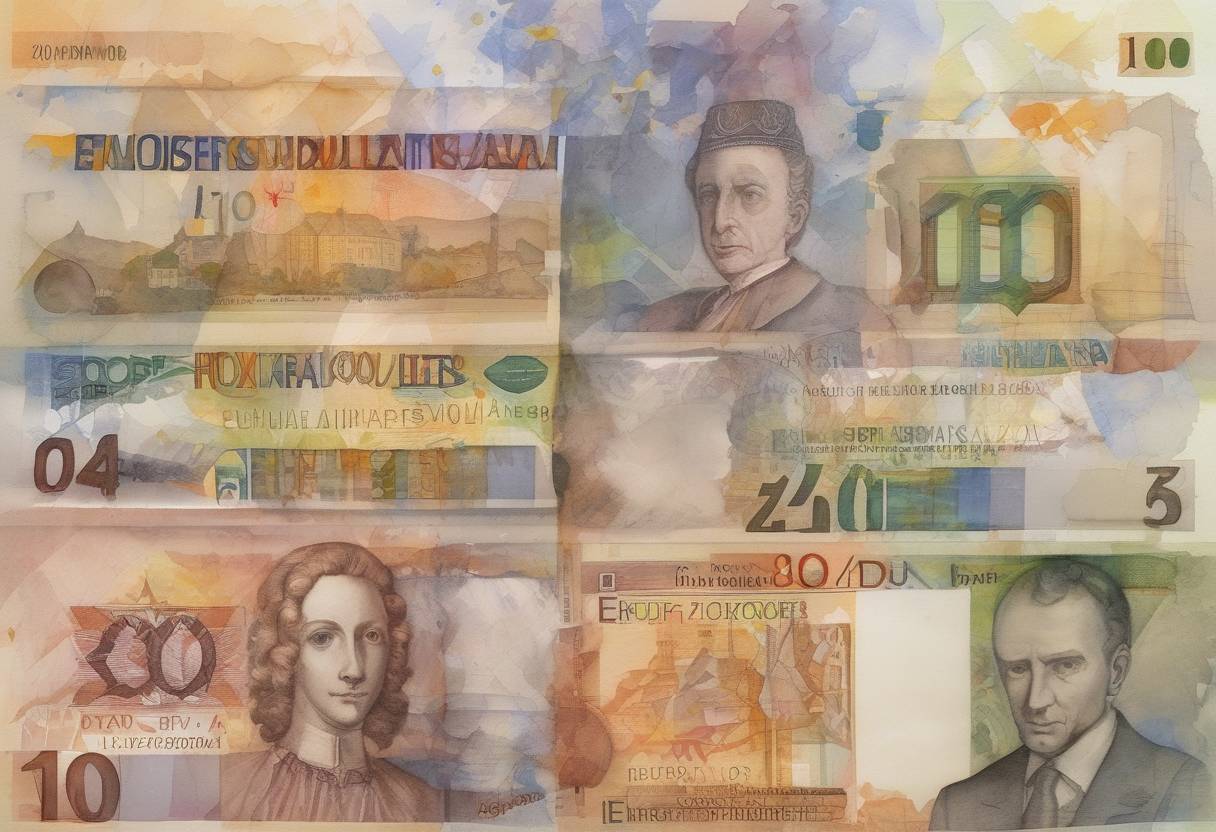
On January 1, 2009, Slovakia officially adopted the euro as its currency, becoming the 16th member of the Eurozone. This significant economic transition marked a pivotal moment in Slovakia’s integration into the European Union’s economic framework.
EU Membership: Slovakia joined the European Union on May 1, 2004, alongside nine other countries. This accession was a crucial step in Slovakia’s post-communist transition, aligning its economic and political systems with Western Europe.
Preparation for the Euro: After joining the EU, Slovakia worked towards meeting the Maastricht criteria, which are the convergence criteria required for adopting the euro. These include maintaining low inflation rates, stable exchange rates, and sound public finances.
Convergence Criteria: By 2008, Slovakia had successfully met the Maastricht criteria, demonstrating fiscal discipline and economic stability. This achievement was essential for gaining approval from the European Commission and the European Central Bank to adopt the euro.
Approval Process: In May 2008, the European Commission recommended that Slovakia adopt the euro. This recommendation was followed by the European Council’s approval in July 2008, setting the stage for the currency transition.
Public and Economic Preparation: Leading up to January 1, 2009, Slovakia undertook extensive preparations to ensure a smooth transition. This included public information campaigns, dual pricing displays in both the Slovak koruna and the euro, and logistical arrangements for currency exchange.
Currency Exchange: On January 1, 2009, the euro officially replaced the Slovak koruna at a fixed exchange rate of 30.1260 korunas per euro. Banks and businesses were prepared to handle the currency switch, and the transition was largely smooth.
Economic Impact: The adoption of the euro was expected to enhance Slovakia’s economic stability, attract foreign investment, and facilitate trade with other Eurozone countries. It also eliminated exchange rate risks for businesses operating within the Eurozone.
Economic Integration: Slovakia’s adoption of the euro further integrated its economy with the broader European market, enhancing its role within the EU.
Eurozone Expansion: Slovakia’s entry into the Eurozone was part of a broader trend of Eastern European countries adopting the euro, reflecting the EU’s expansion and integration efforts.
Long-term Effects: Over the years, Slovakia has benefited from increased economic stability and growth, although it has also faced challenges common to Eurozone countries, such as navigating economic crises and maintaining fiscal discipline.
In summary, Slovakia’s adoption of the euro on January 1, 2009, was a landmark event in its economic history, symbolizing its commitment to European integration and economic modernization.
Source: www.ecb.europa.eu