The Tucson Shooting: January 8, 2011
2011 · Tucson, United States
A mass shooting occurs in Tucson, Arizona, where U.S. Representative Gabrielle Giffords is shot and six people are killed, including a federal judge and a nine-year-old girl.
August 1, 1966
Charles Whitman kills 16 people in a shooting rampage at the University of Texas at Austin.
Austin, United States | None
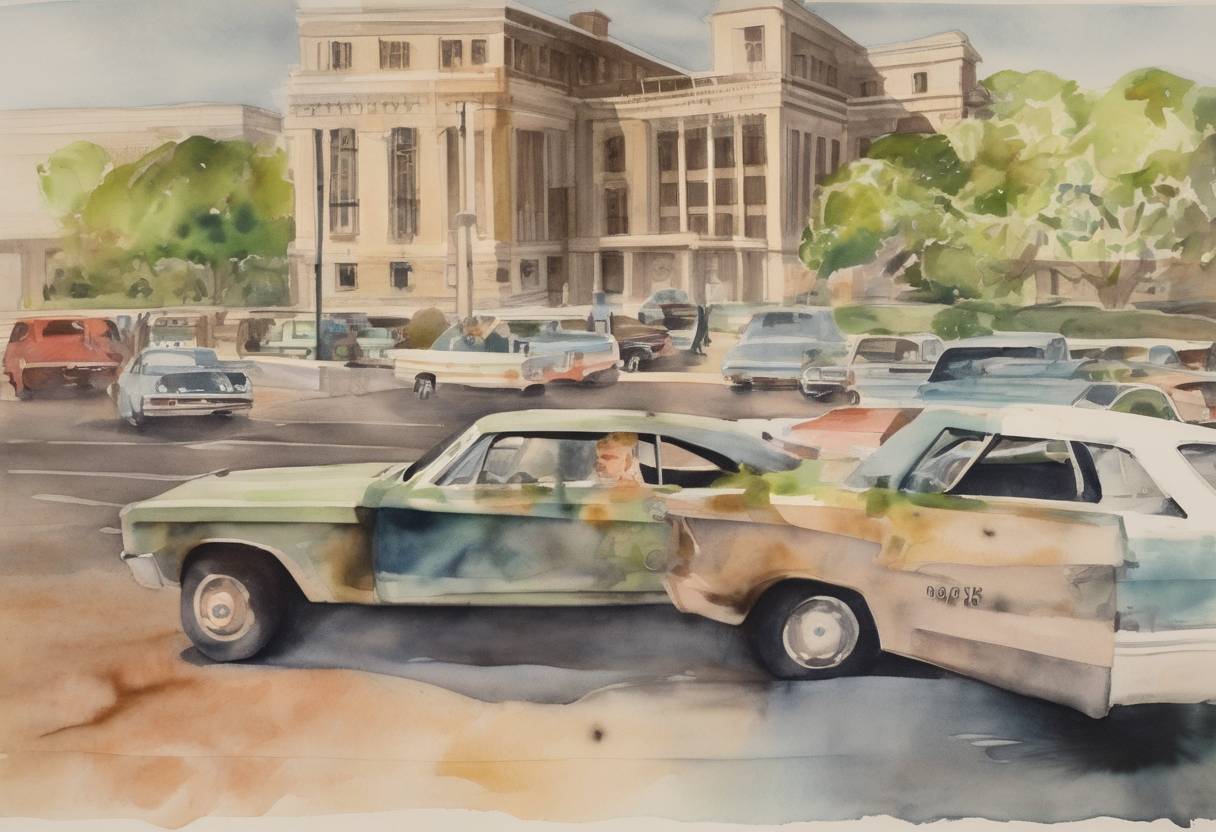
On August 1, 1966, Charles Whitman, a former Marine and engineering student, carried out a mass shooting at the University of Texas at Austin. This tragic event marked one of the first mass shootings on a U.S. college campus and had a profound impact on American society.
Charles Whitman was born on June 24, 1941, in Lake Worth, Florida. He was known for his intelligence and was an Eagle Scout. After serving in the Marine Corps, he enrolled at the University of Texas at Austin to study architectural engineering. However, Whitman struggled with personal issues, including a troubled family life and mental health problems.
In the months before the shooting, Whitman sought medical help for severe headaches and mental distress. He expressed violent thoughts in his personal writings and even mentioned the idea of climbing the university tower to shoot people. On the night of July 31, 1966, Whitman killed his mother and wife, leaving notes explaining his actions and expressing his love for them.
On the morning of August 1, Whitman arrived at the University of Texas with a footlocker containing firearms, ammunition, and supplies. He ascended to the 28th-floor observation deck of the university’s Main Building, commonly referred to as the “Tower.” From this vantage point, he began shooting at people on the campus and surrounding areas.
The University of Texas shooting had significant repercussions:
The tragic events of August 1, 1966, at the University of Texas at Austin highlighted the complexities of mental health, the availability of firearms, and the need for effective crisis response. Charles Whitman’s actions left a lasting impact on the university community and the nation, prompting ongoing discussions about how to prevent similar tragedies in the future.
Source: en.wikipedia.org