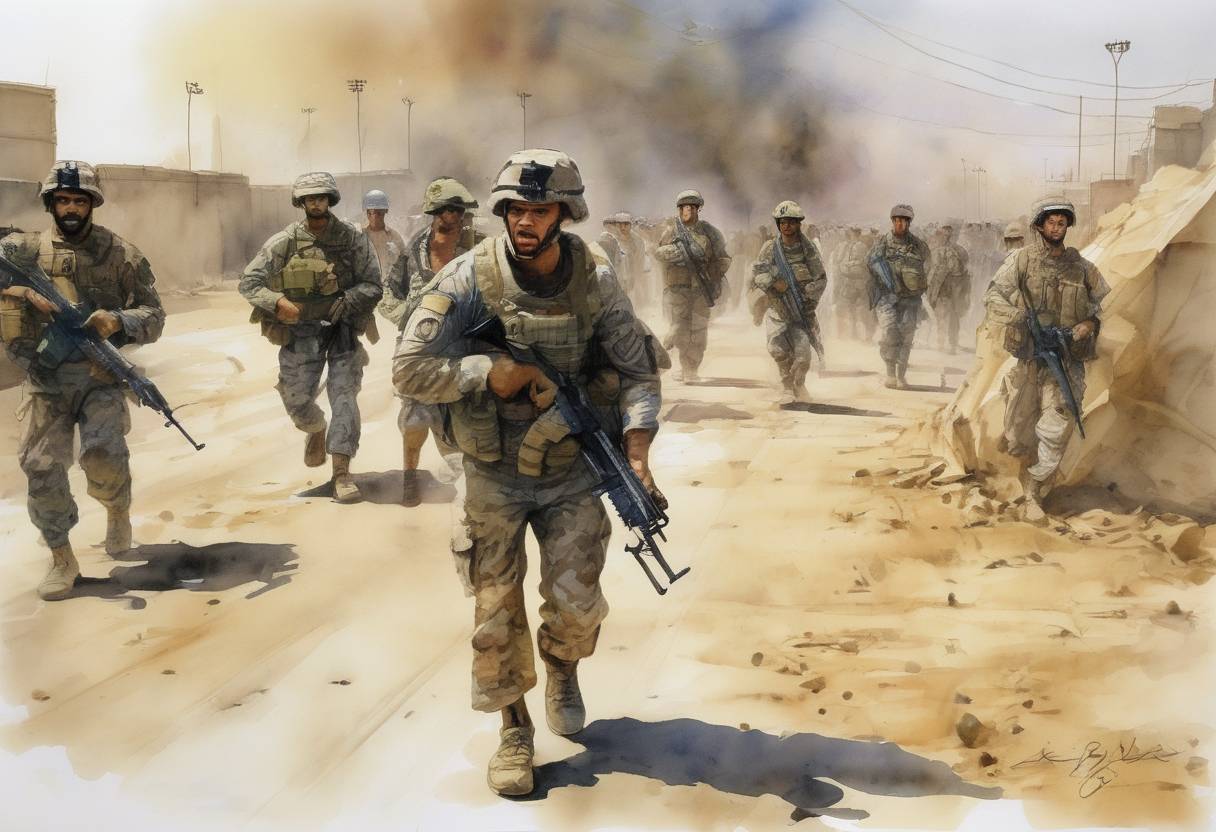
Fall of Baghdad: April 7, 2003
On April 7, 2003, U.S. troops captured Baghdad, marking a pivotal moment in the Iraq War and leading to the fall of Saddam Hussein’s regime. This event was a significant milestone in the U.S.-led invasion of Iraq, which began on March 20, 2003, under the administration of President George W. Bush. The invasion was part of the broader “Operation Iraqi Freedom,” aimed at dismantling Saddam Hussein’s government, which was accused of possessing weapons of mass destruction (WMDs) and having ties to terrorist organizations.
Context and Prelude
- Background: The Iraq War was rooted in the aftermath of the September 11, 2001, terrorist attacks in the United States. The Bush administration argued that Iraq posed a threat due to its alleged WMD programs and its potential to support terrorism.
- International Response: The invasion was controversial, with significant opposition from various countries and international organizations. The United Nations did not authorize the use of force, leading to debates about the legality and legitimacy of the invasion.
Key Events Leading to the Capture
- Initial Invasion: The invasion began with a “shock and awe” campaign, characterized by extensive aerial bombardment intended to quickly incapacitate Iraqi military capabilities.
- Ground Assault: U.S. and coalition forces, primarily composed of American and British troops, advanced rapidly through southern Iraq, encountering varying levels of resistance.
- Approach to Baghdad: By early April, coalition forces had reached the outskirts of Baghdad. The city was heavily defended by the Iraqi Republican Guard, but the defenses quickly crumbled under the coalition’s superior firepower and tactics.
Capture of Baghdad
- April 7, 2003: U.S. forces entered Baghdad, facing sporadic resistance. Key locations, including government buildings and military installations, were secured.
- Symbolic Moments: One of the most iconic images from this period was the toppling of a statue of Saddam Hussein in Firdos Square on April 9, 2003, symbolizing the end of his regime.
Aftermath and Consequences
- End of Saddam’s Rule: The fall of Baghdad effectively ended Saddam Hussein’s control over Iraq. He went into hiding and was later captured by U.S. forces in December 2003.
- Occupation and Insurgency: The capture of Baghdad marked the beginning of a prolonged U.S. military presence in Iraq. The initial victory was followed by a protracted insurgency, sectarian violence, and challenges in establishing a stable government.
- WMD Controversy: Subsequent investigations revealed that Iraq did not possess active WMD programs, leading to significant criticism of the intelligence used to justify the invasion.
Broader Historical Significance
The fall of Baghdad was a turning point in the Iraq War, with long-lasting implications for U.S. foreign policy, regional stability in the Middle East, and international relations. It highlighted the complexities of military intervention and nation-building, influencing future U.S. military and diplomatic strategies.
The events of April 7, 2003, remain a subject of extensive analysis and debate, reflecting on the challenges of interventionist policies and the quest for global security in the 21st century.