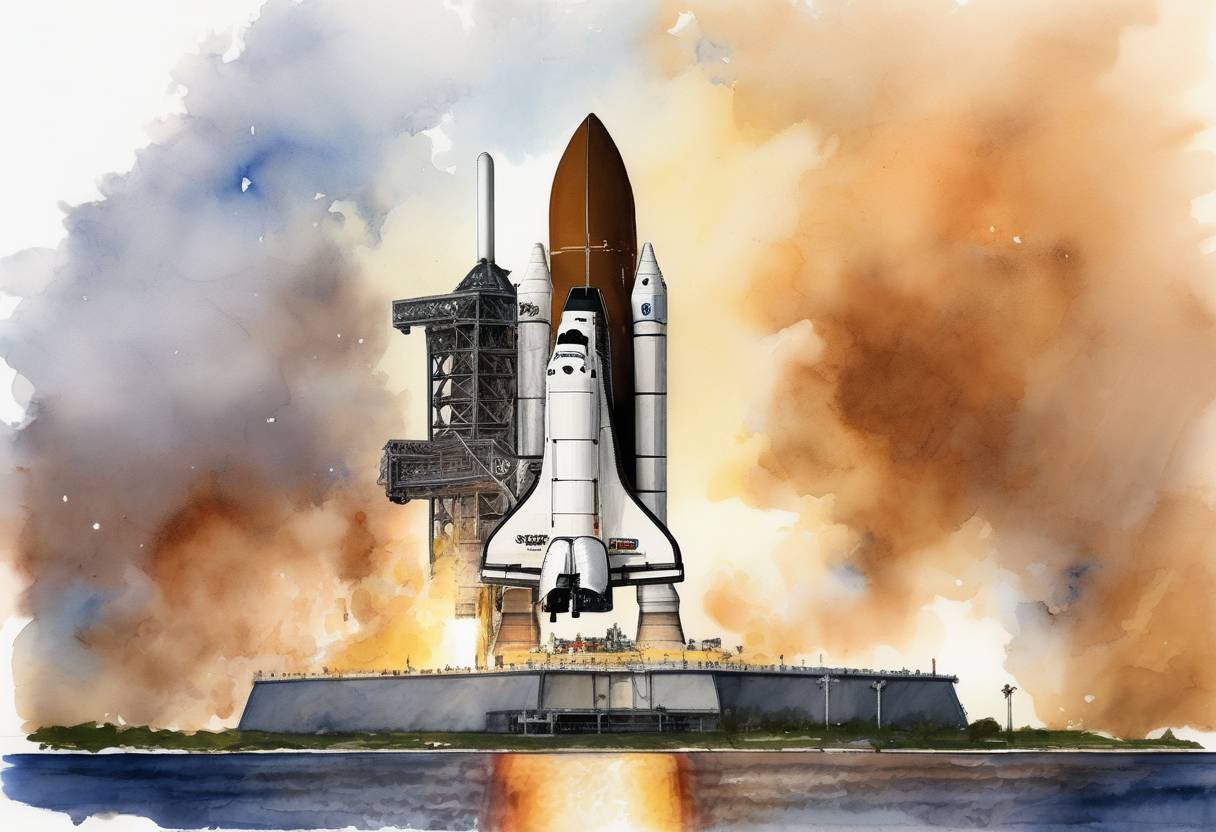
NASA’s Space Shuttle Atlantis: Final Mission of the U.S. Space Shuttle Program (STS-135)
On July 8, 2011, NASA’s Space Shuttle Atlantis embarked on its final mission, STS-135, marking the end of the U.S. Space Shuttle program. This historic launch from Kennedy Space Center in Florida was a significant milestone in American space exploration, closing a chapter that began with the first shuttle flight in 1981.
Background
The Space Shuttle program was initiated to provide a reusable spacecraft capable of carrying astronauts and cargo to and from low Earth orbit. Over its 30-year history, the program facilitated the construction of the International Space Station (ISS), the deployment of numerous satellites, and the repair of the Hubble Space Telescope, among other achievements.
The STS-135 Mission
- Launch Date: July 8, 2011
- Launch Site: Kennedy Space Center, Launch Complex 39A
- Orbiter: Atlantis (OV-104)
- Crew: 4 astronauts
- Commander: Chris Ferguson
- Pilot: Doug Hurley
- Mission Specialists: Sandra Magnus and Rex Walheim
Objectives
The primary goal of STS-135 was to deliver the Raffaello multipurpose logistics module to the ISS, carrying supplies and spare parts to support the station’s operations. The mission also aimed to return a failed ammonia pump module to Earth for analysis.
Key Events
- Launch: Despite concerns about weather conditions, Atlantis lifted off successfully at 11:29 AM EDT.
- Docking with ISS: On July 10, Atlantis docked with the ISS, where the crew spent several days transferring supplies and conducting maintenance.
- Undocking and Return: After eight days docked to the ISS, Atlantis undocked on July 19 and began its journey back to Earth.
- Landing: Atlantis landed safely at Kennedy Space Center on July 21, 2011, at 5:57 AM EDT, concluding the mission and the Space Shuttle program.
Significance and Aftermath
The conclusion of the Space Shuttle program marked a transition in U.S. space policy. With the retirement of the shuttle fleet, NASA shifted its focus to developing new spacecraft for deep space exploration and fostering partnerships with private companies, such as SpaceX and Boeing, to transport astronauts to the ISS.
The end of the shuttle era was both a moment of reflection on past achievements and a stepping stone toward future endeavors in space exploration. The program’s legacy includes advancements in space technology, international cooperation, and inspiring generations of scientists and engineers.
Atlantis is now on display at the Kennedy Space Center Visitor Complex, serving as a testament to the achievements of the Space Shuttle program and its contributions to human spaceflight.