Charles Lindbergh's Historic Transatlantic Flight
1927 · New York, United States
Charles Lindbergh took off from Roosevelt Field in New York, beginning the first solo nonstop transatlantic flight, which he completed the next day in Paris.
October 23, 1929
The first transcontinental airmail service across the United States was inaugurated by Charles Lindbergh.
Various, United States | U.S. Postal Service
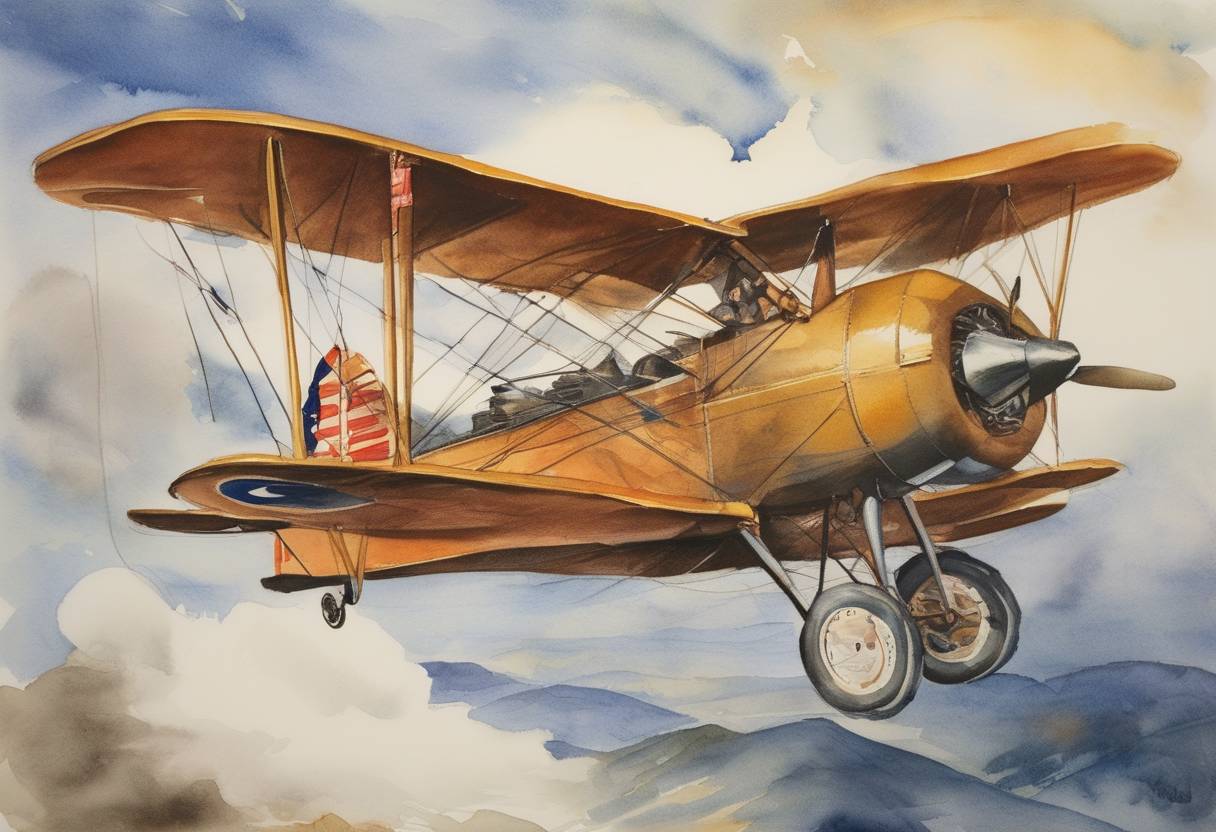
On October 23, 1929, a significant milestone in American aviation and mail service was achieved when Charles Lindbergh inaugurated the first transcontinental airmail service across the United States. This event marked a pivotal evolution in the efficiency and speed of communications across the nation, setting a precedent for modern airline operations.
The need for swift and reliable mail delivery had long been recognized in the United States, as the country sprawled across vast distances. Before 1929, airmail service was limited and often unreliable. Following Lindbergh’s historic solo flight across the Atlantic Ocean in 1927, he became a central figure in promoting advancements in aviation, including airmail services, through his work with airlines and his advocacy for innovative aviation endeavors.
Lindbergh, who was celebrated for his pioneering spirit in aviation, played a crucial role in launching the transcontinental airmail route. On October 23, 1929, the first flight of this service departed from New York and was set to reach its ultimate destination in Los Angeles, with designated stops in significant cities along the way.
The initiation of this service by Lindbergh was not just a testament to his ongoing influence in aviation but also underscored the collaboration between burgeoning airlines and the United States Postal Service. This service was operated largely through what would become the Transcontinental Air Transport, a precursor to major airlines such as TWA (Trans World Airlines).
The successful launch of the transcontinental airmail service markedly reduced the time it took for mail to travel across the country, from multiple days by train to just over 24 hours by air. This transformation not only improved business communications and operations across the United States but also laid the groundwork for the development and expansion of passenger air travel.
The airmail service catalyzed advancements in aviation technology, airport infrastructure, and navigation techniques. As a response to both its challenges and successes, the necessity for safer and more reliable air travel prompted further innovations in aircraft and aviation standards.
This historic transcontinental airmail route is a testament to the era’s rapid technological progress and the visionary efforts of pioneers like Charles Lindbergh, who propelled the aviation industry into a critical component of modern transportation networks.
Source: airandspace.si.edu