2013 · Vatican City, Vatican City
Pope Francis was inaugurated as the 266th pope of the Roman Catholic Church, becoming the first pope from the Americas and the Southern Hemisphere.
November 18, 2016
Pope Francis created 17 new cardinals during a consistory at St. Peter's Basilica, further shaping the future electoral college that will choose his successor.
Vatican City, Vatican City | The Catholic Church
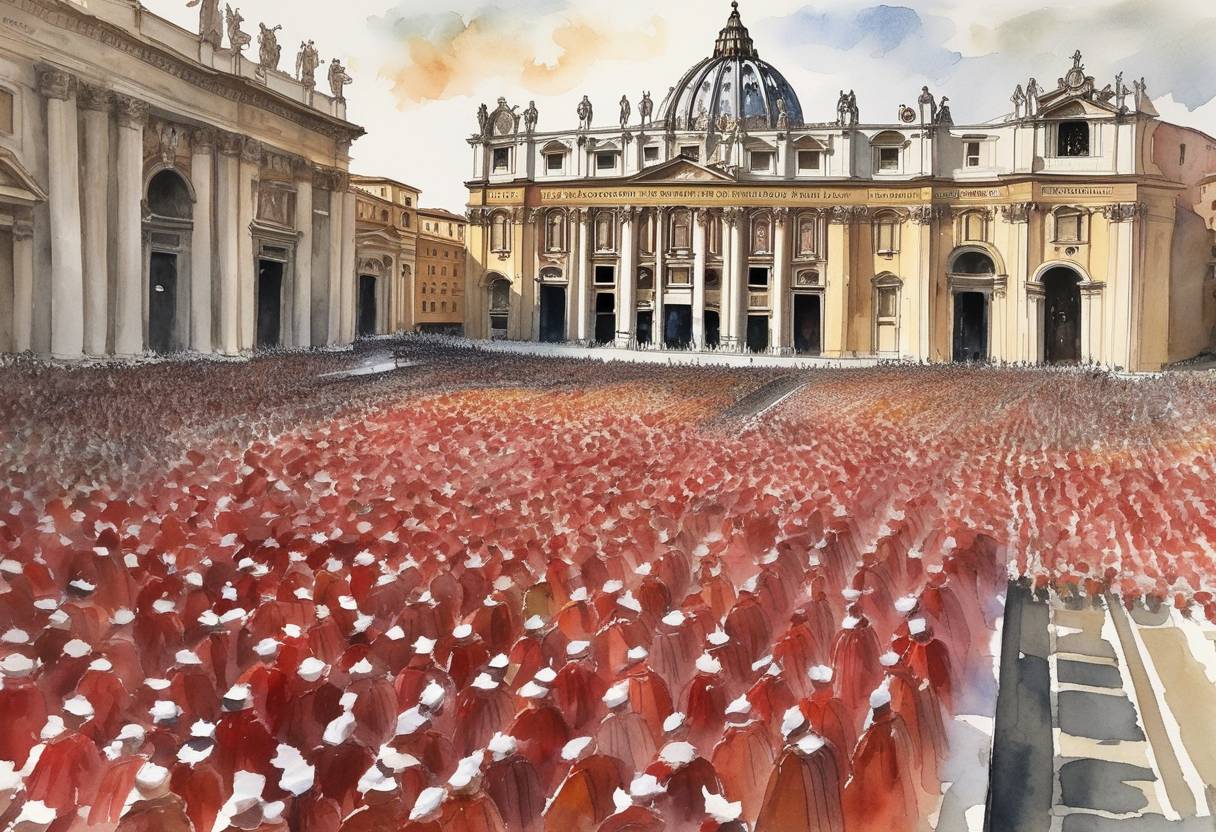
On November 18, 2016, Pope Francis presided over a consistory at St. Peter’s Basilica in Vatican City, during which he elevated 17 new cardinals. This significant event further shaped the future of the Catholic Church by influencing the composition of the College of Cardinals, responsible for electing the Pope’s successor.
Pope Francis, elected in 2013, has been known for his efforts to diversify the College of Cardinals by appointing members from a wide range of backgrounds and geographic regions. This approach reflects his vision of a more inclusive Church that represents the global Catholic community.
During the consistory, Pope Francis focused on inclusiveness and representation. He appointed cardinals from diverse countries, including Bangladesh, Central African Republic, and Papua New Guinea, highlighting the Pope’s emphasis on the peripheries and his commitment to giving a voice to countries that have traditionally been underrepresented in church leadership.
Among the newly appointed cardinals, some notable figures included:
Pope Francis’s selection of cardinals often reflects his theological and pastoral priorities. By choosing individuals from diverse backgrounds, he has been reshaping the conclave, emphasizing the universality of the Church and the importance of addressing contemporary global challenges within the context of Catholic teachings.
The creation of new cardinals during this consistory was part of a broader strategy by Pope Francis to ensure that the leadership of the Catholic Church remains dynamic and responsive to changing global contexts. By shifting the geographic and ideological makeup of the College of Cardinals, Pope Francis has aimed to influence not just the next papal conclave but the future direction of the Church as well.
Source: www.reuters.com