Publication of Bram Stoker's *Dracula* on May 26, 1897
1897 · London, United Kingdom
Bram Stoker's novel 'Dracula' was published, which would become one of the most famous works of Gothic horror literature.
September 21, 1937
J.R.R. Tolkien's 'The Hobbit' was published, introducing readers to Middle-earth.
London, United Kingdom | George Allen & Unwin
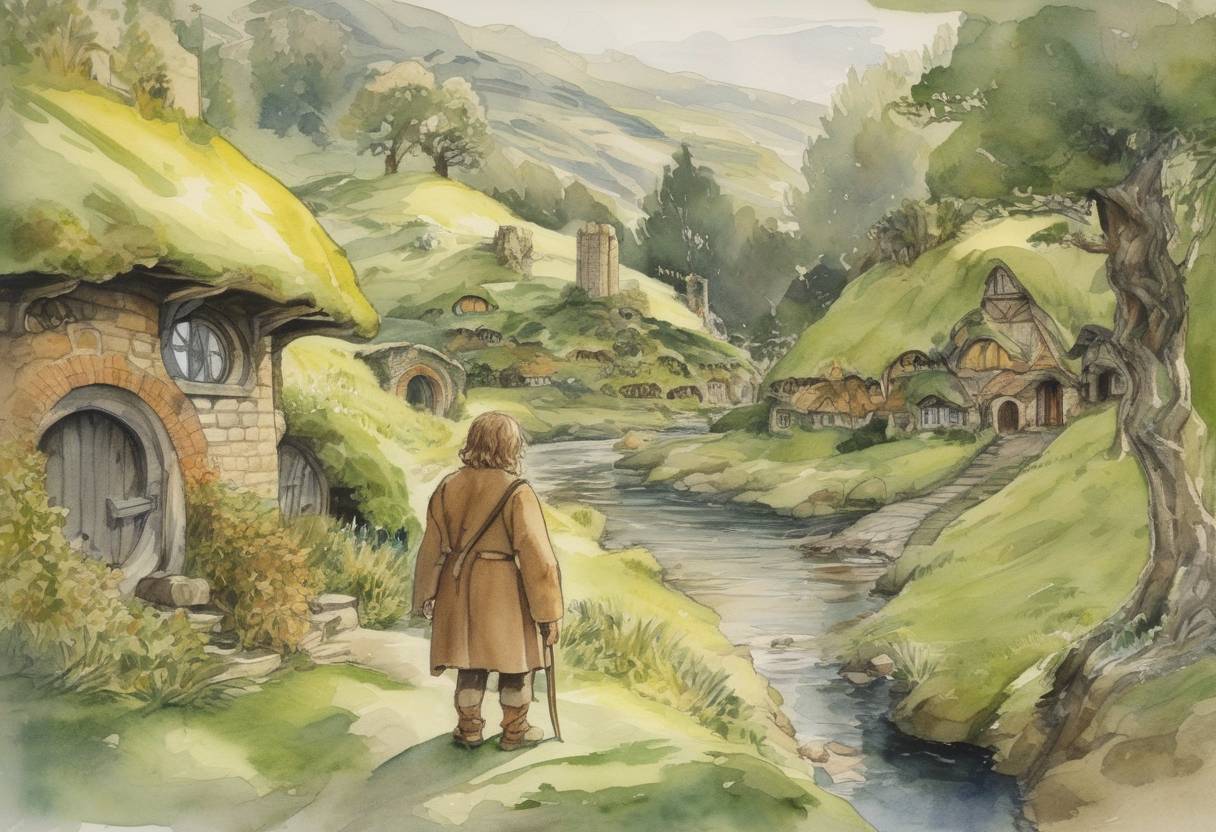
On September 21, 1937, J.R.R. Tolkien’s “The Hobbit” was published, marking the introduction of readers to the richly imagined world of Middle-earth. This seminal work of fantasy literature was released by George Allen & Unwin, a British publishing house, and it quickly garnered acclaim for its imaginative storytelling and intricate world-building.
J.R.R. Tolkien: An Oxford professor of Anglo-Saxon, Tolkien had a deep interest in languages and mythology, which heavily influenced his writing. “The Hobbit” began as a story he told to his children and evolved into a manuscript that caught the attention of a publisher.
Inspiration: Tolkien’s academic background and personal interests in ancient myths, legends, and languages played a crucial role in shaping the narrative and setting of “The Hobbit.” The book reflects a blend of Norse mythology, English folklore, and Tolkien’s own invented languages and histories.
Plot: The story follows the journey of Bilbo Baggins, a hobbit who is reluctantly drawn into an adventure by the wizard Gandalf and a group of dwarves. Their quest is to reclaim the Lonely Mountain and its treasure from the dragon Smaug.
Characters: The novel introduces several key characters who would later appear in Tolkien’s subsequent works, including Gandalf, Gollum, and the dwarves led by Thorin Oakenshield.
Themes: “The Hobbit” explores themes of heroism, friendship, and the conflict between good and evil. It also delves into the idea of personal growth, as Bilbo transforms from a cautious homebody into a courageous adventurer.
Critical Reception: Upon its release, “The Hobbit” received positive reviews for its engaging narrative and imaginative scope. It appealed to both children and adults, establishing Tolkien as a master storyteller.
Cultural Influence: The success of “The Hobbit” laid the groundwork for Tolkien’s later works, most notably “The Lord of the Rings” trilogy. It has since become a cornerstone of fantasy literature, influencing countless authors and adaptations in various media.
Adaptations: Over the years, “The Hobbit” has been adapted into animated films, radio dramas, and a major film trilogy directed by Peter Jackson, further cementing its place in popular culture.
The publication of “The Hobbit” on September 21, 1937, was a pivotal moment in literary history, introducing readers to the enchanting world of Middle-earth. Tolkien’s work not only captivated audiences with its imaginative storytelling but also set the stage for the modern fantasy genre, leaving a lasting legacy that continues to inspire and entertain.
Source: en.wikipedia.org