Russia's Annexation of Ukrainian Regions on September 30, 2022
2022 · Moscow, Russia
Russia formally annexed four Ukrainian regions following referendums widely condemned as illegal by the international community.
March 18, 2014
Russia formally annexed Crimea after a controversial referendum, which was widely condemned by the international community. This event significantly escalated tensions between Russia and Western countries.
Moscow, Russia | Russian government
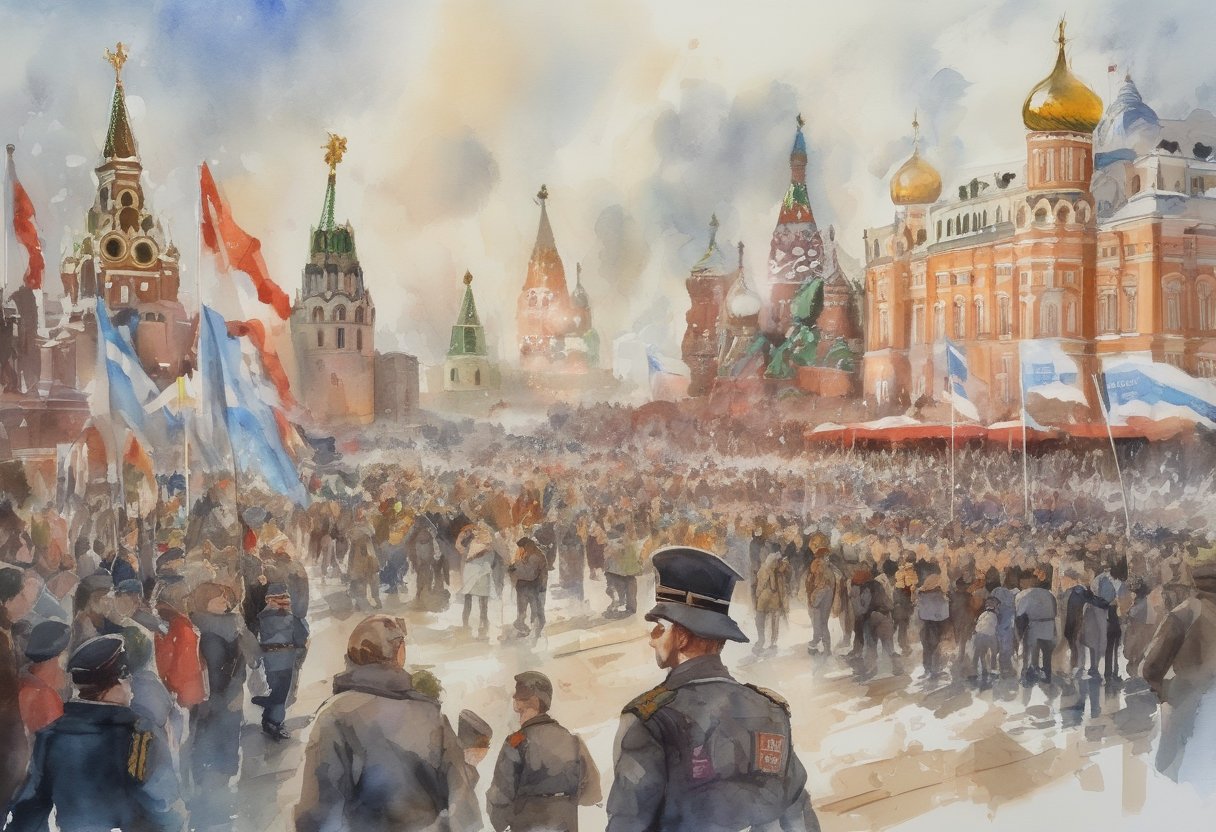
On March 18, 2014, Russia formally annexed Crimea, a move that significantly escalated tensions between Russia and Western countries. This event followed a controversial referendum held in Crimea on March 16, 2014, where the majority of voters purportedly supported joining Russia. The annexation was widely condemned by the international community, with many countries and international organizations deeming the referendum illegal and the annexation a violation of international law.
Historical Ties: Crimea has a complex history, having been part of the Russian Empire and later the Soviet Union. In 1954, it was transferred to Ukraine by the Soviet government, a move that was largely symbolic at the time since both Russia and Ukraine were part of the USSR.
Ukrainian Crisis: The annexation occurred during a period of political upheaval in Ukraine. In late 2013 and early 2014, Ukraine experienced massive protests, known as the Euromaidan, which led to the ousting of President Viktor Yanukovych. This political instability created a power vacuum and heightened tensions between pro-European and pro-Russian factions within Ukraine.
Military Presence: In late February 2014, unidentified troops, later confirmed to be Russian soldiers, began occupying key sites in Crimea. This military presence was a prelude to the political maneuvers that followed.
Referendum: On March 16, 2014, a referendum was held in Crimea. Official results claimed that over 95% of voters supported joining Russia. However, the legitimacy of the referendum was questioned due to the presence of Russian troops and the lack of international oversight.
Condemnation: The annexation was condemned by the United States, the European Union, and other Western nations, which argued that it violated Ukraine’s sovereignty and international law. The United Nations General Assembly passed a resolution affirming Ukraine’s territorial integrity and declaring the referendum invalid.
Sanctions: In response to the annexation, Western countries imposed economic sanctions on Russia, targeting individuals and businesses linked to the Russian government.
Increased Tensions: The annexation of Crimea marked a significant deterioration in Russia-West relations, reminiscent of Cold War-era tensions. It led to a series of retaliatory measures and countermeasures, including further sanctions and diplomatic expulsions.
Ongoing Conflict: The situation in Crimea also contributed to the ongoing conflict in Eastern Ukraine, where pro-Russian separatists have been fighting Ukrainian forces. This conflict has resulted in thousands of deaths and a humanitarian crisis.
Geopolitical Impact: The annexation has had lasting implications for global geopolitics, influencing NATO’s strategic posture and prompting discussions on security and defense within Europe.
In summary, the annexation of Crimea by Russia on March 18, 2014, was a pivotal moment in recent history, reshaping international relations and highlighting the complexities of national sovereignty and territorial integrity in the post-Cold War era.
Source: www.bbc.com