Discovery of the Legionella Bacterium - January 18, 1977
1977 · Atlanta, United States
Scientists identified a previously unknown bacterium as the cause of Legionnaires' disease, following an outbreak in 1976.
May 14, 2021
The Centers for Disease Control and Prevention (CDC) in the United States announced that fully vaccinated individuals could resume activities without wearing masks or physically distancing, in most settings.
Atlanta, United States | Centers for Disease Control and Prevention
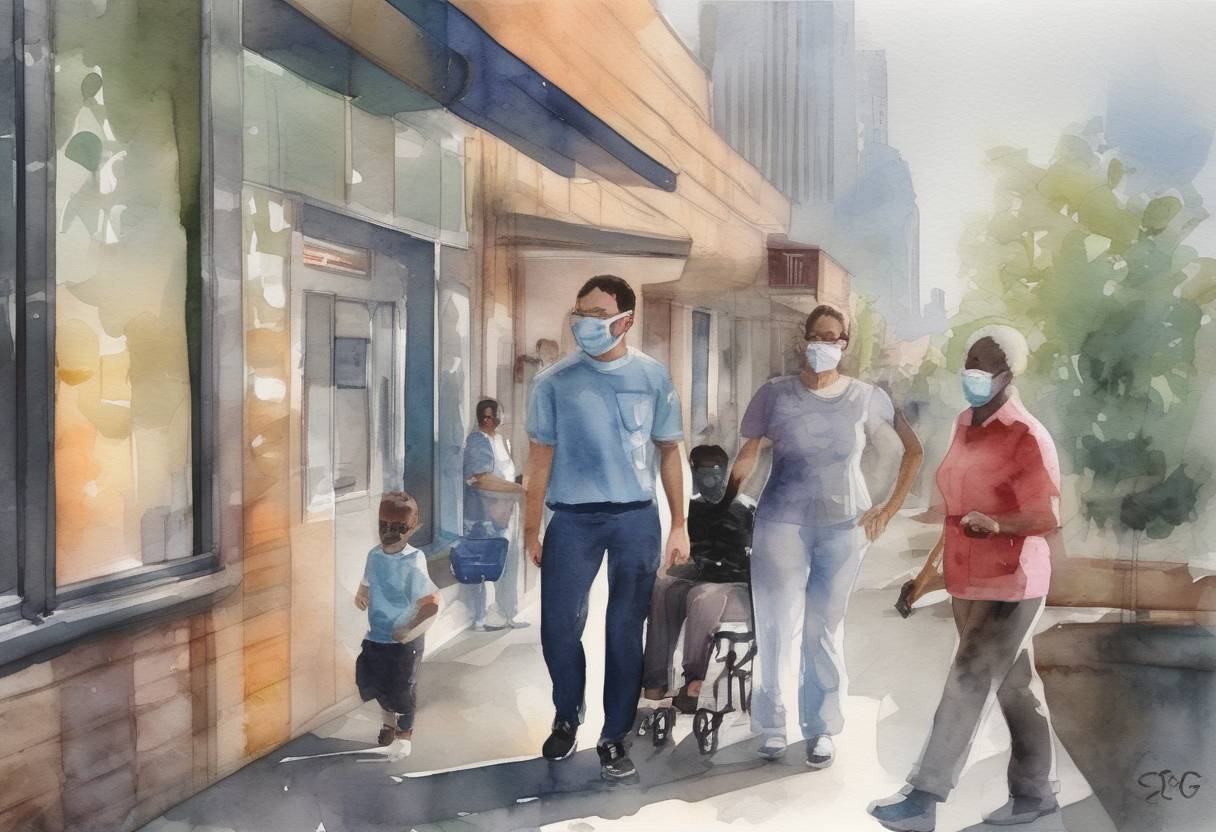
On May 14, 2021, the Centers for Disease Control and Prevention (CDC) in the United States made a significant announcement regarding COVID-19 safety protocols for fully vaccinated individuals. This update marked a pivotal moment in the ongoing management of the COVID-19 pandemic, reflecting the progress made in vaccination efforts and the evolving understanding of the virus.
Guidance Change: The CDC stated that individuals who were fully vaccinated against COVID-19 could resume most activities without wearing masks or practicing physical distancing. This applied to both indoor and outdoor settings, with certain exceptions.
Definition of Fully Vaccinated: According to the CDC, a person was considered fully vaccinated two weeks after receiving the second dose of a two-dose vaccine (such as Pfizer-BioNTech or Moderna) or two weeks after receiving a single-dose vaccine (such as Johnson & Johnson’s Janssen).
Exceptions: The guidance specified that masks should still be worn in certain settings, such as healthcare facilities, public transportation, and places where local regulations required them. Additionally, businesses and workplaces could set their own policies regarding mask usage.
Vaccination Rollout: By May 2021, the United States had made significant strides in its vaccination campaign, with millions of doses administered and a substantial portion of the population receiving full vaccination.
Scientific Basis: The CDC’s decision was based on accumulating evidence that fully vaccinated individuals were at a significantly reduced risk of contracting and transmitting the virus. Studies indicated that the vaccines were highly effective in preventing severe illness and reducing the spread of COVID-19.
Public Response: The announcement was met with mixed reactions. Many viewed it as a positive step towards normalcy, while others expressed concerns about enforcement and the potential for confusion, especially in distinguishing between vaccinated and unvaccinated individuals.
Impact on Policy: This guidance influenced state and local policies, with many jurisdictions adjusting their mask mandates and public health guidelines in response. It also affected businesses and institutions as they navigated the transition to new safety protocols.
Ongoing Developments: The CDC continued to monitor the situation closely, ready to adjust recommendations as necessary, particularly in response to emerging variants and changes in infection rates.
This announcement was a critical juncture in the pandemic response, highlighting the importance of vaccination in controlling the spread of COVID-19 and paving the way for a gradual return to pre-pandemic activities.
Source: www.cdc.gov