United Nations General Assembly 73rd Session - September 27, 2018
2018 · New York City, United States
The United Nations General Assembly held its 73rd session, where global leaders discussed pressing international issues.
December 28, 2017
The United Nations General Assembly voted to approve a $5.4 billion budget for 2018-2019, which included cuts to the funding of peacekeeping operations.
New York City, United States | United Nations
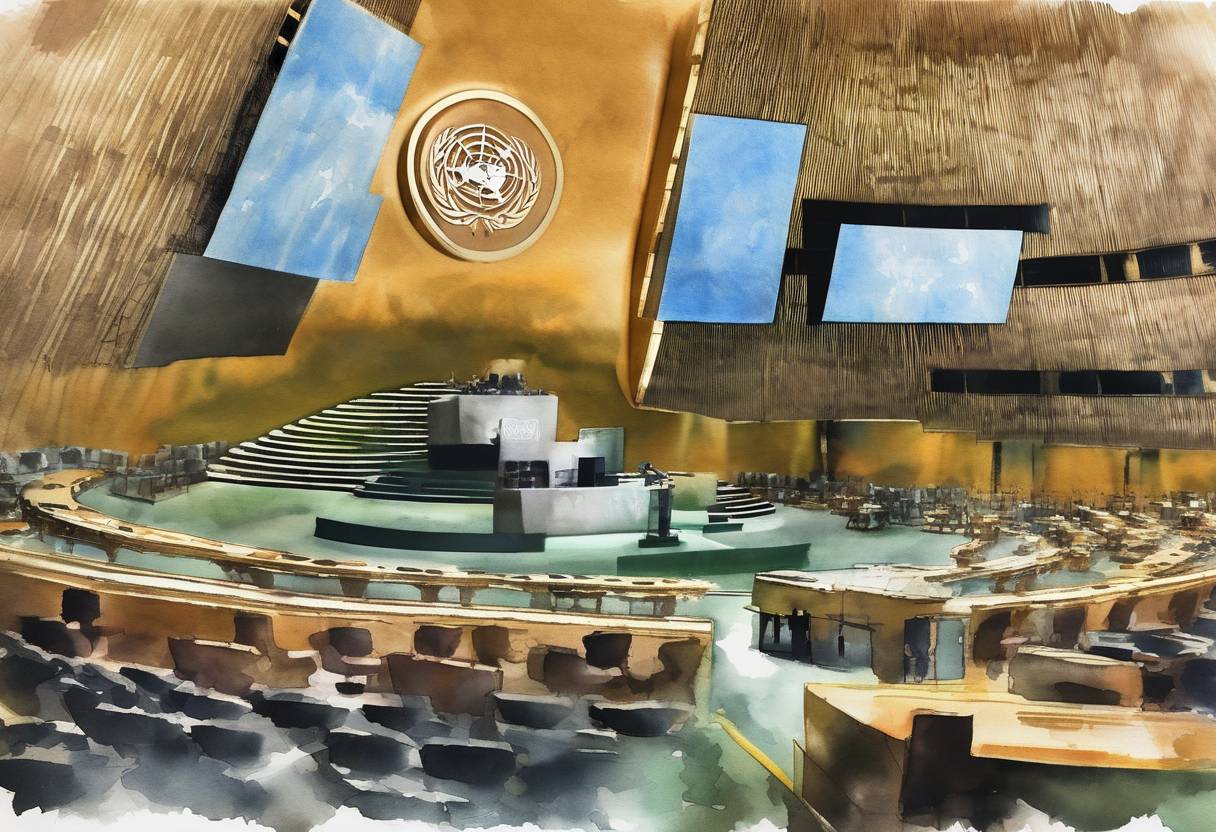
On December 28, 2017, the United Nations General Assembly voted to approve a biennial budget of $5.4 billion for the years 2018-2019. This decision marked a significant moment in the financial planning of the UN, particularly due to the inclusion of cuts to the funding of peacekeeping operations.
The United Nations, an international organization founded in 1945, is tasked with maintaining international peace and security, promoting sustainable development, and upholding human rights, among other responsibilities. The General Assembly, one of the six principal organs of the UN, is responsible for approving the budget and assessing the financial contributions of member states.
Leading up to the 2018-2019 budget approval, the UN faced several financial challenges. The organization had been under pressure to streamline operations and reduce costs, particularly from major contributing countries like the United States, which had been advocating for more efficient use of resources.
Peacekeeping is one of the most visible and resource-intensive activities of the UN. It involves deploying military and police personnel from various countries to conflict zones to help maintain peace and security. However, peacekeeping operations have often been criticized for their cost, effectiveness, and the challenges they face in complex conflict environments.
The approval of the 2018-2019 budget underscored the ongoing challenges faced by international organizations in balancing financial constraints with their global mandates. It highlighted the complexities of international diplomacy and the need for continuous reform to adapt to changing geopolitical and economic landscapes.
In summary, the UN General Assembly’s decision on December 28, 2017, to approve a $5.4 billion budget for 2018-2019, including cuts to peacekeeping funding, was a pivotal moment in the organization’s efforts to enhance efficiency and effectiveness in fulfilling its global responsibilities.
Source: www.un.org