Parisian Train Derailment on October 27, 1984
1984 · Paris, France
Parisian commuter train system suffered one of its worst disasters when a train derailed on the Pont de Neuilly bridge, killing 43 people and injuring more than 200.
September 15, 1990
France's TGV (Train à Grande Vitesse) set a new world rail speed record of 515.3 km/h (320.2 mph) in a test run.
TGV test track, France | SNCF
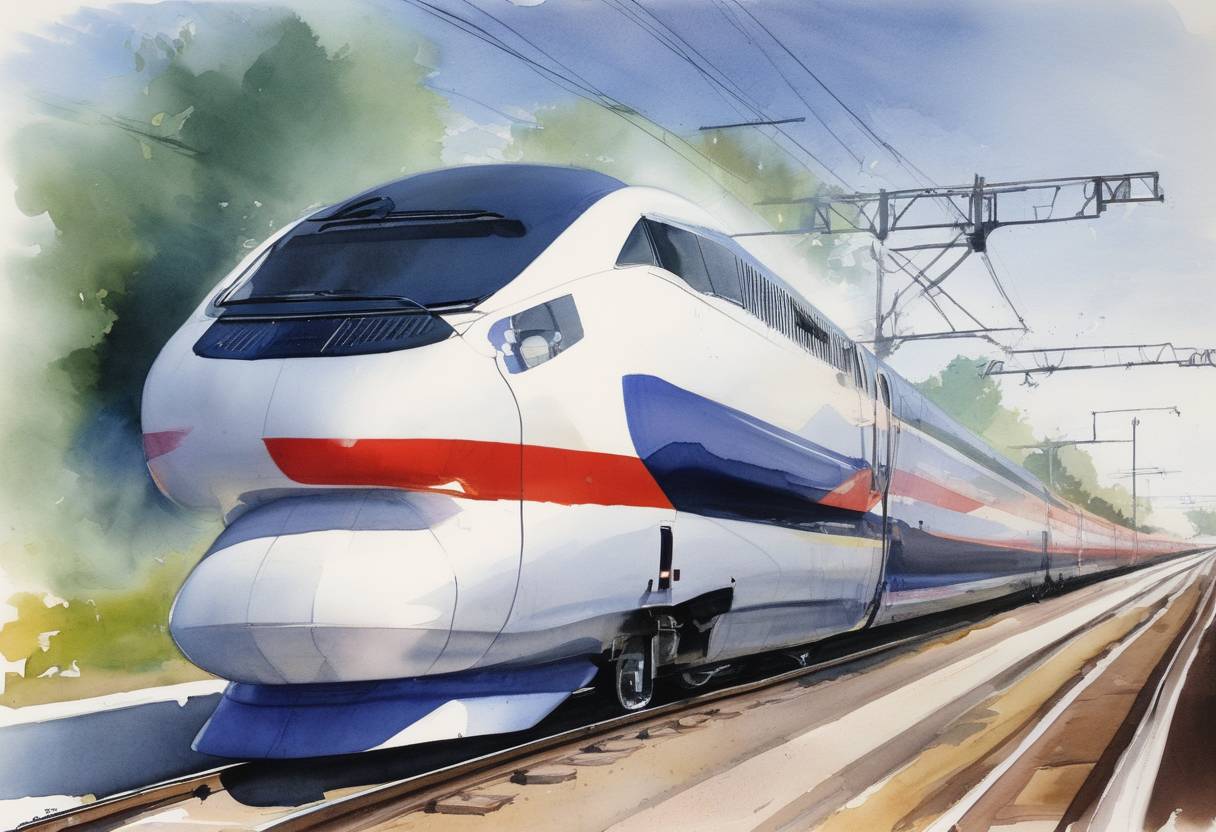
On September 15, 1990, France’s TGV (Train à Grande Vitesse) achieved a historic milestone in rail transport by setting a new world speed record. The TGV, operated by the French National Railways (SNCF), reached a groundbreaking speed of 515.3 km/h (320.2 mph) during a test run. This event underscored France’s pioneering role in high-speed rail travel and demonstrated the technological advancements in railway engineering.
The TGV project was initiated in the 1970s to create a high-speed rail network that would connect major French cities more efficiently. By the 1980s, the TGV had already gained international attention for its speed and efficiency. Before the 1990 record, France laid the groundwork for this achievement by developing specialized TGV lines, known as LGVs (Lignes à Grande Vitesse), engineered to support high-speed travel safely.
The record was set during a series of experiments aimed at pushing the boundaries of rail speeds. The test run took place on the newly constructed LGV Atlantique line, which was designed specifically to facilitate high-speed operations. The record-setting train, a modified version of the standard TGV trainset, incorporated advanced technology, including enhanced aerodynamics and reinforced components to withstand the stresses associated with extreme speeds.
The successful record attempt was a pivotal moment for the TGV program and high-speed rail globally. It cemented France’s position as a leader in rail innovation and set the stage for further advancements in high-speed rail technology. The event spurred interest in high-speed rail systems worldwide and influenced the development of new lines in Europe, Asia, and beyond.
This achievement was a precursor to subsequent speed records and advancements in the TGV fleet, which continued to evolve with technological innovations, contributing to the modern standard of fast, safe, and efficient rail travel.
Source: www.sncf.com