Charles I Becomes King of England, Scotland, and Ireland
1625 · London, United Kingdom
Charles I became King of England, Scotland, and Ireland following the death of his father, James I.
September 12, 1624
King Charles I of England issues a proclamation against his subjects settling in Virginia without a license. This was part of the broader context of English colonization and control over the American colonies.
London, England | British Monarchy
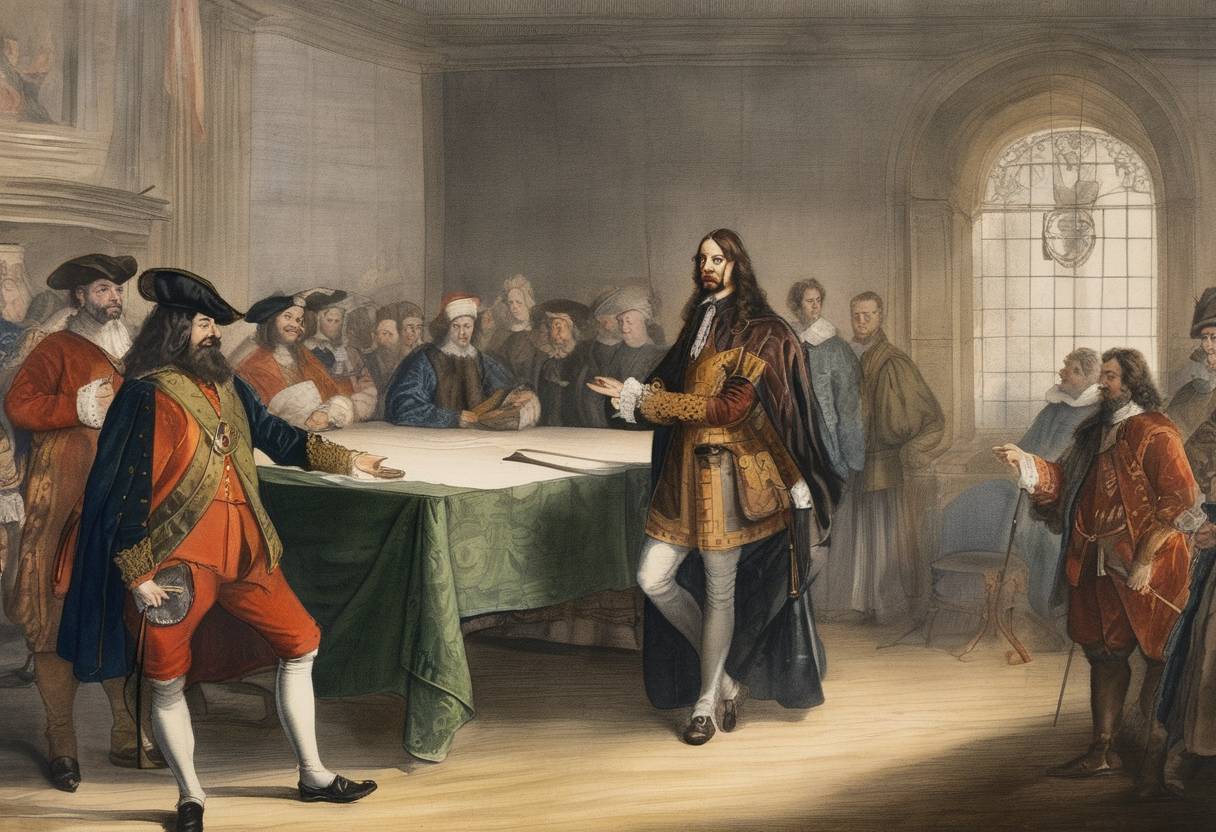
On September 12, 1624, King Charles I of England issued a significant proclamation aimed at regulating the English who sought to settle in the Virginia colony. This decree was part of a broader effort to assert greater control over England’s colonial enterprises in the New World, particularly in relation to the growing settlements in North America.
Virginia Company and Early Colonization: The English interest in Virginia began with the establishment of the Virginia Company in 1606, which sought to explore and profit from the New World. Initially granted a charter by King James I, the Virginia Company established Jamestown in 1607 as the first permanent English settlement in North America. However, the venture was fraught with challenges, including financial difficulties, internal disputes, and conflicts with Indigenous peoples.
Revocation of the Virginia Company Charter: By 1624, the Virginia Company was severely struggling. During an investigation into the company’s finances and operations, it became clear that mismanagement and lack of profitability plagued the enterprise. Consequently, King James I revoked the company’s charter and took Virginia back under royal control. The Virginia Colony became a crown colony, meaning it was governed directly by the monarchy.
Control Over Emigration: King Charles I’s proclamation on September 12, 1624, underscored the need for migration to Virginia to be regulated. By requiring settlers to obtain a license, the crown aimed to manage who could emigrate, thereby ensuring that desirable and law-abiding subjects populated the colony. These measures also sought to prevent unauthorized or clandestine settlements that could lead to disorder or threaten the dominance of English governance in these territories.
Financial and Administrative Oversight: The proclamation also served to enhance royal authority and oversight over colonial administration. By controlling migration, the monarchy could mitigate illegal trade practices or economic activities that might circumvent crown interests or disrupt the established mercantile systems.
Strengthening Royal Authority: This move was indicative of King Charles I’s broader policy of centralizing power and consolidating royal control over England’s expanding empire. It reflected the monarchy’s evolving approach to overseas colonies, emphasizing governance and profitability.
Foundations of Colonial Governance: The proclamation laid the groundwork for further regulations concerning English colonies. It prefigured later colonial charters and policies that would seek to balance settlement expansion with efficient administration and control.
In summary, King Charles I’s proclamation against unlicensed emigration to Virginia on September 12, 1624, was a crucial development in the history of English colonial governance, illustrating the monarchy’s increasing involvement in and regulation of its overseas possessions. This move had long-term implications for colonial administration and the evolving relationship between England and its American colonies.
Source: www.history.com