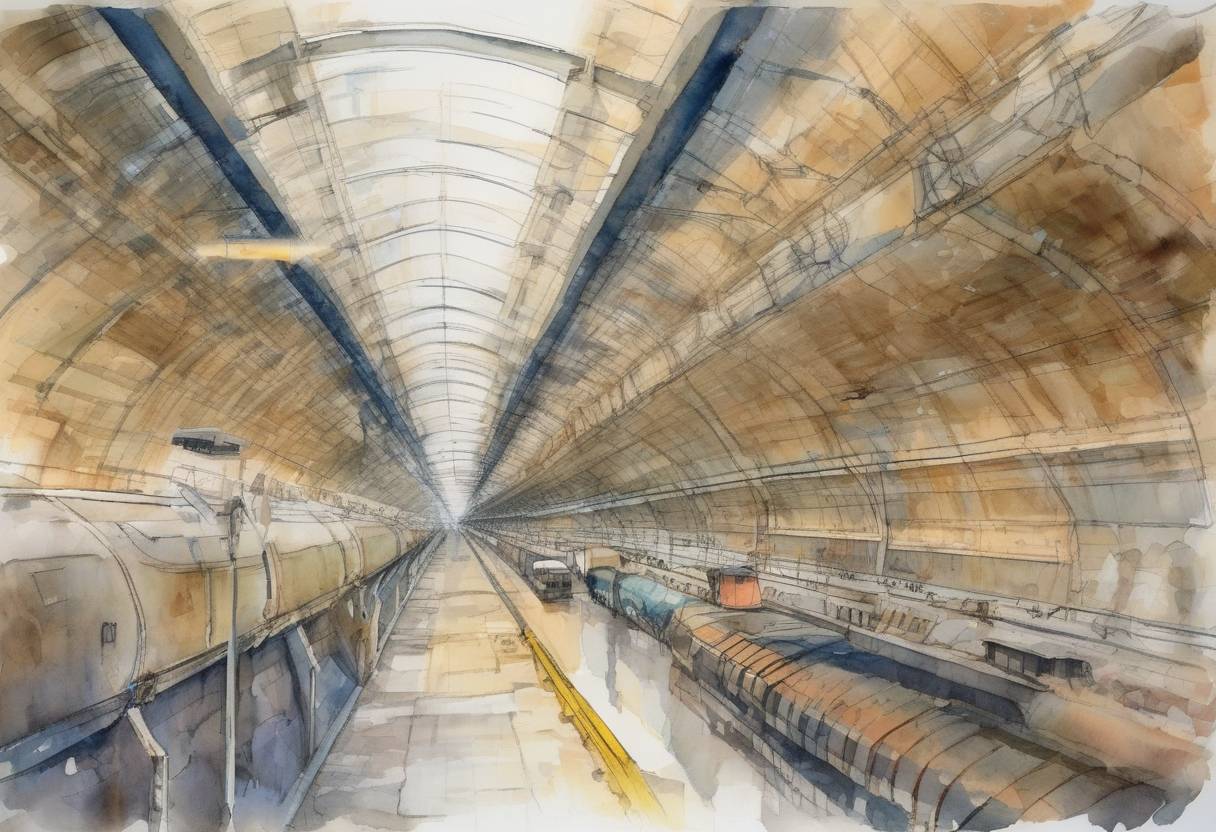
The Channel Tunnel Official Opening - May 5, 1994
On May 5, 1994, the Channel Tunnel, often referred to as the “Chunnel,” was officially opened, marking a significant milestone in European transportation and engineering. This ambitious project created a direct rail link between Folkestone in the United Kingdom and Coquelles near Calais in France, traversing beneath the English Channel.
Background and Construction
The idea of a tunnel beneath the English Channel dates back to the early 19th century, but it wasn’t until the late 20th century that technological advancements and political will converged to make it a reality. The construction of the Channel Tunnel was a monumental engineering feat, involving:
- Bilateral Cooperation: The project was a joint venture between the UK and France, requiring extensive collaboration between the two nations.
- Engineering Challenges: The tunnel stretches approximately 31.4 miles (50.45 kilometers), with 23.5 miles (37.9 kilometers) of it beneath the sea, making it the longest undersea tunnel in the world at the time.
- Construction Timeline: Work began in 1988 and took six years to complete, involving over 13,000 workers and costing approximately £9 billion.
The Official Opening
The official opening ceremony on May 5, 1994, was a grand event attended by dignitaries from both countries, including Queen Elizabeth II and French President François Mitterrand. The ceremony symbolized not only the physical connection between the UK and France but also a broader spirit of European cooperation.
Significance and Impact
The Channel Tunnel has had a profound impact on transportation and commerce in Europe:
- Travel Efficiency: It significantly reduced travel time between London and Paris, with Eurostar trains offering a journey time of just over two hours.
- Economic Benefits: The tunnel facilitated trade and tourism, contributing to economic growth in both countries.
- Cultural Exchange: By making travel more accessible, the Channel Tunnel has fostered cultural exchange and strengthened ties between the UK and continental Europe.
Aftermath and Legacy
Since its opening, the Channel Tunnel has become a vital transportation link, handling millions of passengers and freight annually. It stands as a testament to human ingenuity and international collaboration, continuing to serve as a critical infrastructure component in Europe.
The Channel Tunnel’s successful completion and operation have inspired similar projects worldwide, showcasing the potential of large-scale engineering endeavors to bridge geographical and cultural divides.