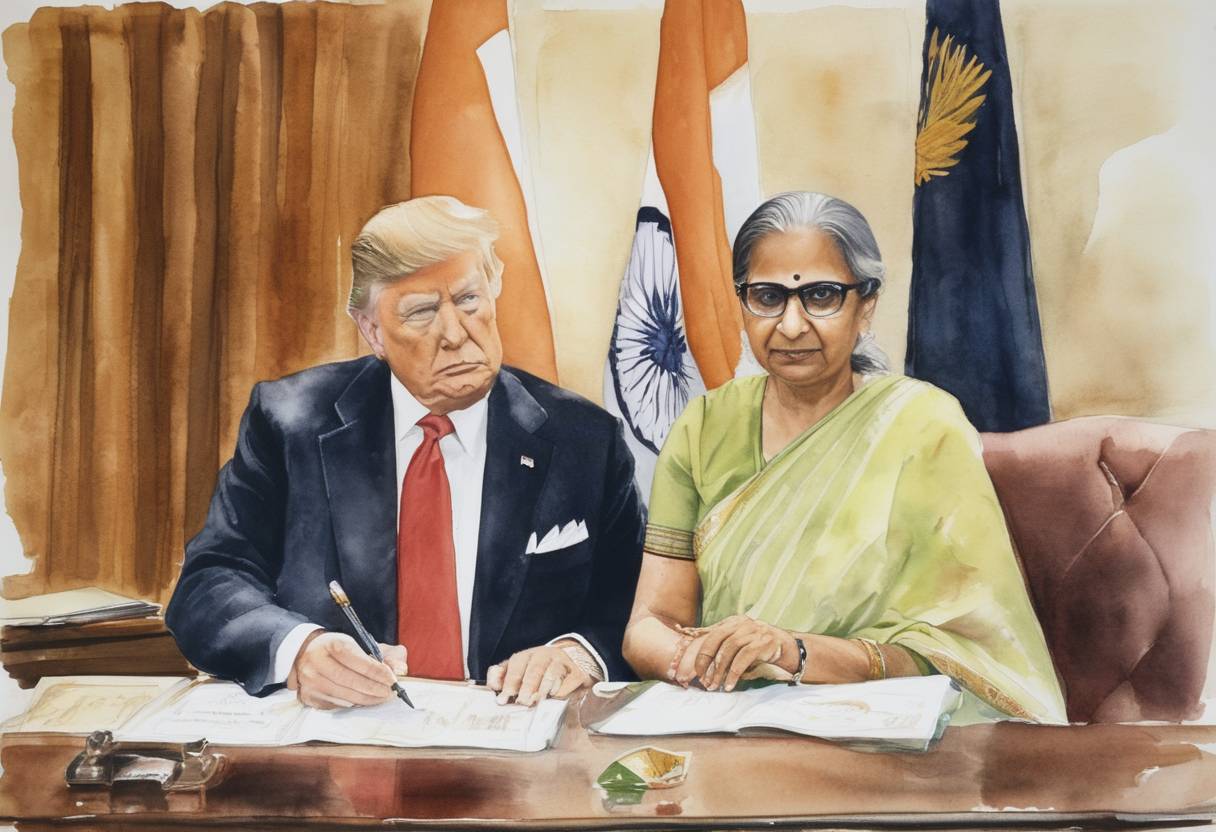
U.S.-India Civilian Nuclear Agreement (April 12, 2000)
On April 12, 2000, the United States and India embarked on a pivotal diplomatic milestone by signing an agreement to cooperate on civilian nuclear projects. Though often conflated with later agreements such as the 2006 U.S.-India Civil Nuclear Agreement, this moment served as an early step towards deepening ties between the two nations within the realm of nuclear energy cooperation.
Context
In the years leading up to 2000, U.S.-India relations experienced a series of fluctuations affected by India’s 1998 nuclear tests, which had led to international sanctions including those from the U.S. However, the turn of the millennium saw a strategic pivot under the administration of President Bill Clinton, who visited India in March 2000, highlighting a frozen relationship that was beginning to thaw. Enhanced dialogue and cooperation were regarded as essential for improving ties and fostering mutual trust.
Key Elements of the Agreement
Strategic Partnership: The framework of the agreement was rooted in establishing a strategic partnership that would pave the way for extensive economic, energy, and security cooperation.
Non-Proliferation Goals: It sought to encourage adherence to non-proliferation norms while respecting India’s existing nuclear program. The agreement acknowledged India’s need for energy security to sustain its growing economy.
Dialogue and Collaboration: Both countries aimed to engage in robust dialogue concerning export controls regarding nuclear technology, aiming to avoid proliferation risks while promoting peaceful uses of nuclear energy.
Broader Historical Significance
Foundation for Future Agreements: This April 2000 agreement set the stage for future, more comprehensive agreements. Notably, it laid groundwork for the landmark 2006 U.S.-India Civil Nuclear Agreement, which fully lifted nuclear-related sanctions and allowed civilian nuclear trade between the two countries.
Geopolitical Impacts: The move reflected a significant geopolitical shift, as the U.S. began to perceive India as a vital partner amid rising concerns about regional security and China’s growing influence.
Economic and Technological Exchange: Beyond nuclear collaboration, the agreement encouraged bilateral cooperation in technology, commerce, and defense, bolstering economic ties.
Aftermath
The signing marked the beginning of a significant recalibration in Indo-U.S. relations, aligning more closely on issues of international security and energy collaboration. This partnership has since grown, influencing regional balances in South Asia and beyond, and promoting India as a key player in global diplomatic, economic, and technological arenas.