The Laws of Burgos (1512)
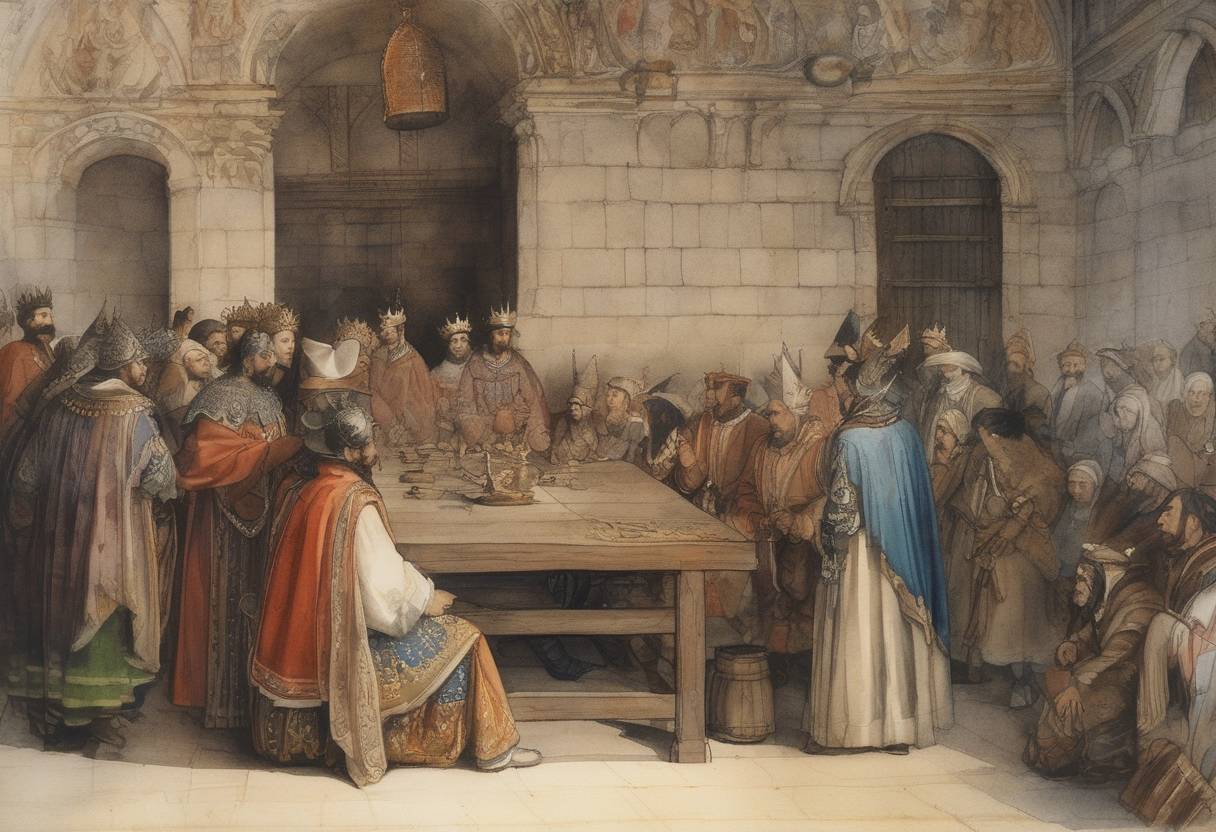
On December 27, 1512, the Spanish Crown formally issued the Laws of Burgos, marking the implementation of the first set of codified laws designed to govern the actions of Spanish settlers in the Americas, particularly in relation to the indigenous populations. Drafted in the city of Burgos, Spain, these laws were largely the result of debates and demands for reform concerning the treatment of Native Americans by Spanish colonizers post-Columbus’ voyages.
Context and Motivation
The early 16th century was a period of rapid Spanish expansion in the New World, beginning with Christopher Columbus’ landing in 1492. As the number of Spanish expeditions increased and contact with indigenous populations became more frequent, reports of severe mistreatment began to circulate. Religious figures and scholars, notably Bartolomé de las Casas, were vocal in their criticism of the plight of the indigenous peoples, highlighting issues such as forced labor, brutality, and exploitation.
Recognizing the colonial governance issues and the potential backlash from both ethical and political perspectives, King Ferdinand II of Aragon, who ruled the Spanish territories, sought to address these matters through legislative action. The Laws of Burgos were an attempt to mitigate some of these concerns, influenced by the moral and social norms of the period.
Key Provisions
The Laws of Burgos consisted of a series of ordinances that sought to regulate the encomienda system, a Spanish labor system that had been implemented in the colonies, where Spanish encomenderos were granted rights to native labor and tribute. Key provisions included:
- Protection of Native Welfare: The laws mandated certain humane conditions for indigenous laborers, including adequate housing, sustenance, and rest periods.
- Religious Instruction: The laws emphasized the need for the instruction of Christianity, mandating that indigenous people be taught the Catholic faith.
- Free Will to Work: While theoretically affirming the free status of the Native Americans, the laws still compelled them to work for the Spaniards under regulated conditions.
- Punishments for Abuse: Specific penalties were envisioned for Spanish settlers who violated the treatment regulations concerning indigenous peoples.
Impact and Limitations
While pioneering in its attempt to legally regulate colonial practices impacting indigenous populations, the Laws of Burgos had significant limitations. Enforcement was weak, and many Spanish colonizers continued exploitative practices without substantial oversight or consequence. The gap between the law and actual practice highlighted the challenge of administering justice from afar, particularly in territories where settlers had considerable autonomy.
Despite its shortcomings, the Laws of Burgos set a precedent for subsequent colonial legislation and opened the way for larger discussions about colonial ethics, which would evolve over time and influence later laws like the New Laws of 1542.
Historical Significance
The promulgation of the Laws of Burgos is significant as it marks one of the earliest attempts by a European power to regulate and legislate colonial behavior concerning indigenous peoples. It reflects the complex interplay of humanitarian concern and colonial ambition that characterized Spanish imperial policy. While the immediate impact was limited, the principles behind the laws laid foundations for future legal reforms in Spanish colonies and bear essay on the treatment of indigenous peoples throughout colonial and post-colonial history.