The Beatles Release 'Please Please Me'
1963 · London, United Kingdom
The Beatles released their debut album, 'Please Please Me', in the United Kingdom, marking the beginning of their rise to global fame.
July 12, 1962
The Rolling Stones performed their first concert at the Marquee Club in London. This event marked the beginning of their career as one of the most influential rock bands in history.
London, United Kingdom | The Rolling Stones
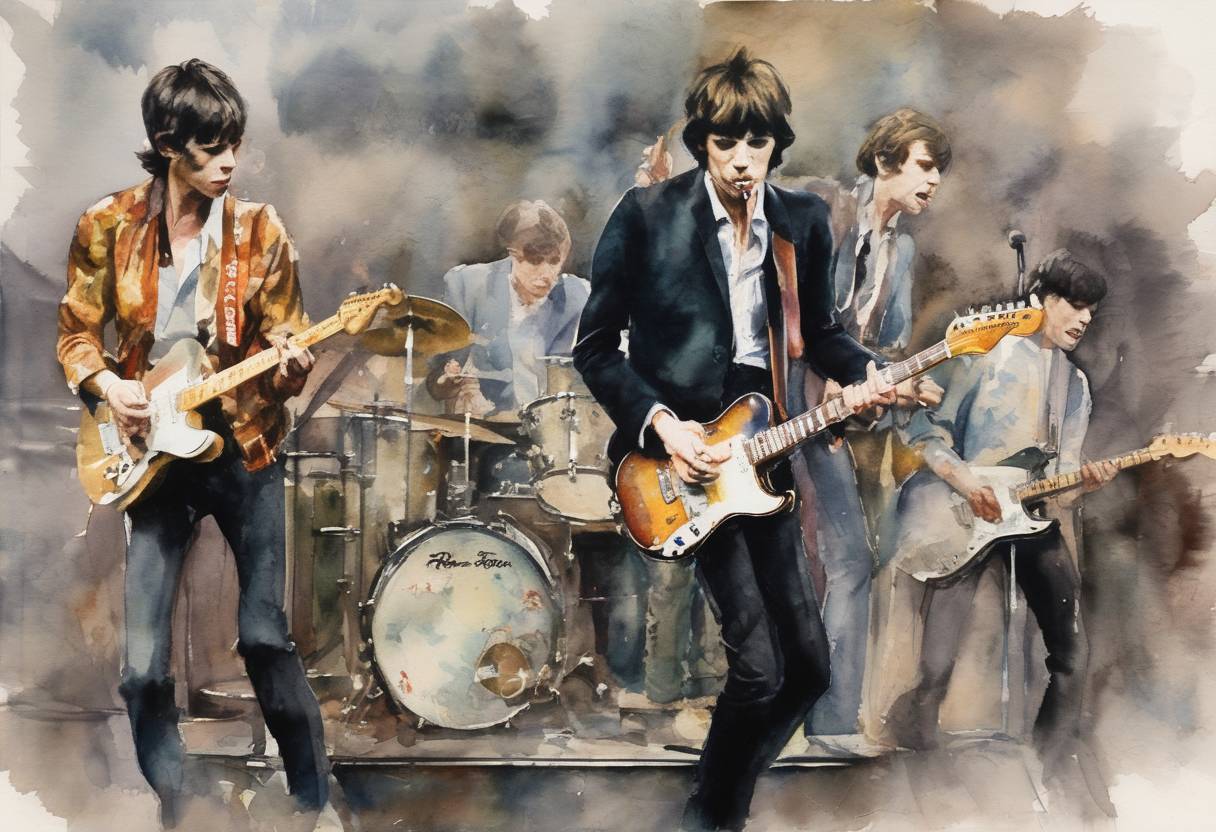
On July 12, 1962, The Rolling Stones performed their first concert at the Marquee Club in London, marking the beginning of their journey to becoming one of the most influential rock bands in history. This event is a significant milestone in the history of rock music, as it introduced a band that would go on to shape the genre for decades.
The early 1960s was a period of musical innovation and cultural change in the United Kingdom. The Rolling Stones were formed in London in 1962, amidst a burgeoning rock and roll scene. The original lineup for this first performance included:
The band was initially brought together by Brian Jones, who placed an advertisement in a music publication seeking musicians to join him. Mick Jagger and Keith Richards, childhood friends who had reconnected over their shared love of blues music, joined the group shortly thereafter.
The Marquee Club, located on Oxford Street in London, was a popular venue for jazz and blues musicians. The Rolling Stones’ debut performance was part of a lineup that included other acts, but it was their raw energy and blues-influenced sound that captured the audience’s attention.
The setlist for the evening primarily consisted of rhythm and blues covers, reflecting the band’s early influences. The performance was well-received, and it helped the band secure more gigs and build a following.
Following their debut at the Marquee Club, The Rolling Stones began to gain momentum. They were soon managed by Andrew Loog Oldham, who played a crucial role in shaping their image and securing a recording contract with Decca Records.
The band’s gritty sound and rebellious image resonated with the youth of the 1960s, and they quickly rose to fame. Their influence extended beyond music, impacting fashion, culture, and attitudes of the era.
The Rolling Stones went on to release numerous hit albums and singles, becoming known as “The World’s Greatest Rock and Roll Band.” Their enduring legacy is marked by their contribution to the development of rock music and their ability to adapt to changing musical landscapes over the decades.
The Rolling Stones’ first concert at the Marquee Club on July 12, 1962, was a pivotal moment in music history. It marked the beginning of a legendary career that would see the band become icons of rock and roll, influencing countless artists and leaving an indelible mark on popular culture.
Source: en.wikipedia.org