Mary I Proclaimed Queen of England - July 19, 1553
1553 · London, England
Mary I was proclaimed Queen of England, deposing Lady Jane Grey.
November 29, 1549
Death of Thomas Seymour. An influential figure during the reign of Edward VI of England, Seymour's political ambitions and relationships with the monarchy made him a key player in the Tudor court before his execution earlier in the same year.
London, England | Tudor Court
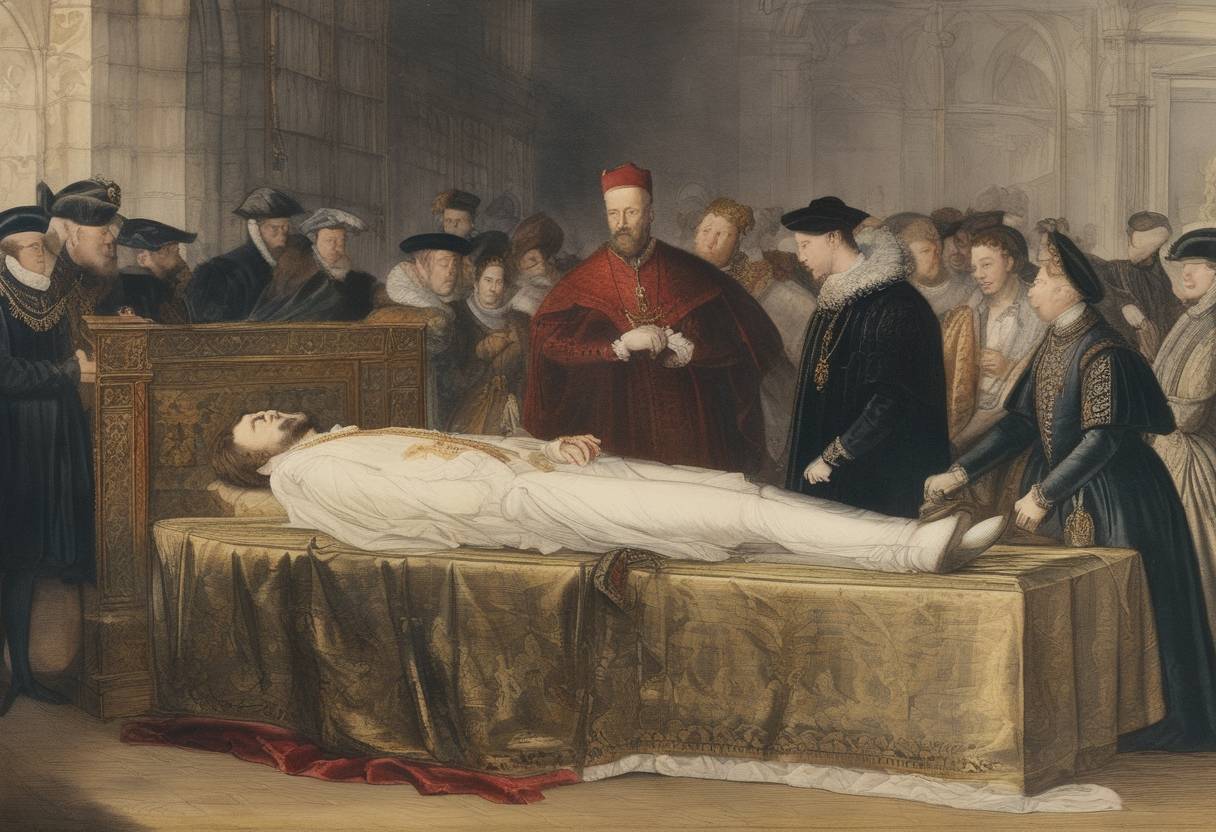
Thomas Seymour, an influential English nobleman with close ties to the monarchy, was executed well before November 29, 1549. His execution took place earlier that year, on March 20, 1549. Despite this discrepancy in date, Seymour’s life and its tumultuous end were significant in the Tudor political landscape, particularly during the early reign of King Edward VI.
Thomas Seymour was the younger brother of Jane Seymour, the third wife of King Henry VIII, and thus the uncle to King Edward VI. Following Henry VIII’s death in 1547, the power dynamics in the English court shifted dramatically. Edward Seymour, Thomas’s elder brother, was established as the Lord Protector for the young King Edward VI, effectively ruling England.
Thomas Seymour was appointed as Lord High Admiral of England, but he harbored ambitions that went far beyond this role. He married Catherine Parr, the widow of Henry VIII, which gave him a closer link to the royal family. Seymour sought more influence by attempting to garner favor with his nephew, King Edward VI, and allegedly conspired to marry Princess Elizabeth, future Queen Elizabeth I.
Seymour’s ambitions eventually led to his downfall. His attempts to undermine the authority of his brother, the Lord Protector, and his perceived threat to the stability of the regency council put him in direct conflict with the governing powers. Evidence was gathered of his intention to abduct the young king, and he was accused of plotting to foment revolt.
Convicted of treason, Thomas Seymour was executed by beheading on March 20, 1549, at the Tower of London. His execution was a stark reminder of the volatile nature of court politics during the Tudor period, where relationships with the monarchy could both elevate and destroy political figures. The charges against him highlighted the treacherous paths navigated by those seeking power and influence in Tudor England.
The execution of Thomas Seymour marked a significant event in the early years of Edward VI’s reign. It underscored the fragility of power and the heightened tensions among the regents ruling on behalf of the boy king. Seymour’s downfall further consolidated the control of his brother, Edward Seymour, and served as a cautionary tale about the perils of overreaching ambition in the Tudor court.
Source: en.wikipedia.org