Gemini 3: NASA's First Manned Gemini Flight
1965 · Cape Canaveral, United States
NASA launched Gemini 3, the first manned Gemini flight, with astronauts Gus Grissom and John Young.
May 15, 1963
The last Project Mercury spaceflight, Mercury-Atlas 9, was launched, with astronaut Gordon Cooper aboard.
Cape Canaveral, United States | NASA
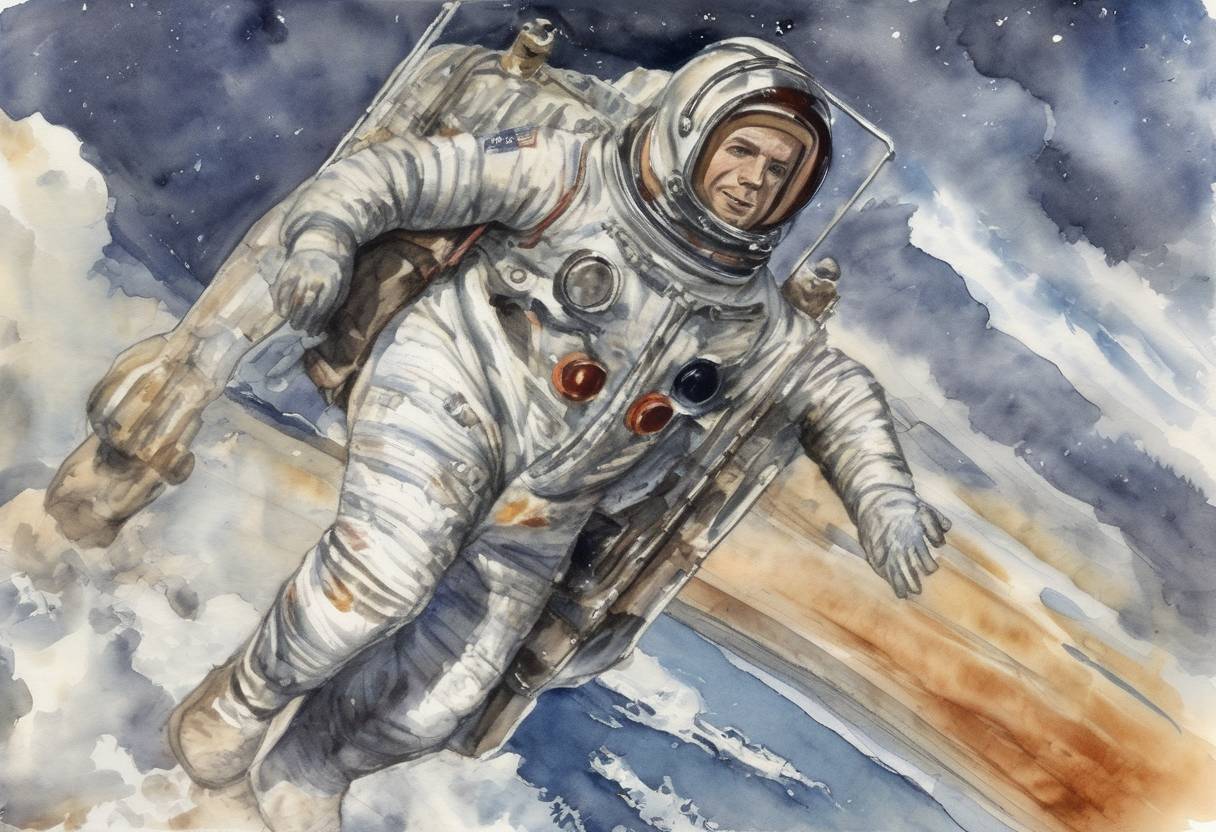
On May 15, 1963, NASA launched Mercury-Atlas 9, marking the final mission of the United States’ first human spaceflight program, Project Mercury. This mission was a pivotal moment in the early years of space exploration, as it demonstrated the capabilities of American technology and human endurance in space.
The primary objectives of Mercury-Atlas 9 were to:
Mercury-Atlas 9 was a significant milestone in the space race, showcasing the United States’ growing capabilities in human spaceflight. The mission provided valuable data that informed the development of subsequent programs, such as Gemini and Apollo, which aimed to achieve more ambitious goals, including landing humans on the Moon.
Gordon Cooper’s successful handling of the mission’s challenges underscored the importance of human skill and adaptability in space exploration. His flight helped to cement public confidence in NASA’s ability to safely conduct manned space missions.
Following the success of Mercury-Atlas 9, NASA shifted its focus to the Gemini program, which aimed to develop the techniques necessary for lunar missions. The lessons learned from Project Mercury were instrumental in advancing the United States’ efforts to explore space and ultimately land astronauts on the Moon in 1969.
In summary, Mercury-Atlas 9 was not only the culmination of Project Mercury but also a stepping stone toward the more complex and ambitious goals of the space program, demonstrating the potential for human space exploration and paving the way for future achievements.
Source: en.wikipedia.org