Brazil's 2022 Presidential Election: First Round Overview
2022 · Brasília, Brazil
Brazil holds the first round of its presidential election, with former president Luiz Inácio Lula da Silva and incumbent Jair Bolsonaro advancing to a runoff.
October 7, 2018
Brazil held the first round of its presidential election, with Jair Bolsonaro and Fernando Haddad advancing to the runoff.
Brasília, Brazil | Superior Electoral Court of Brazil
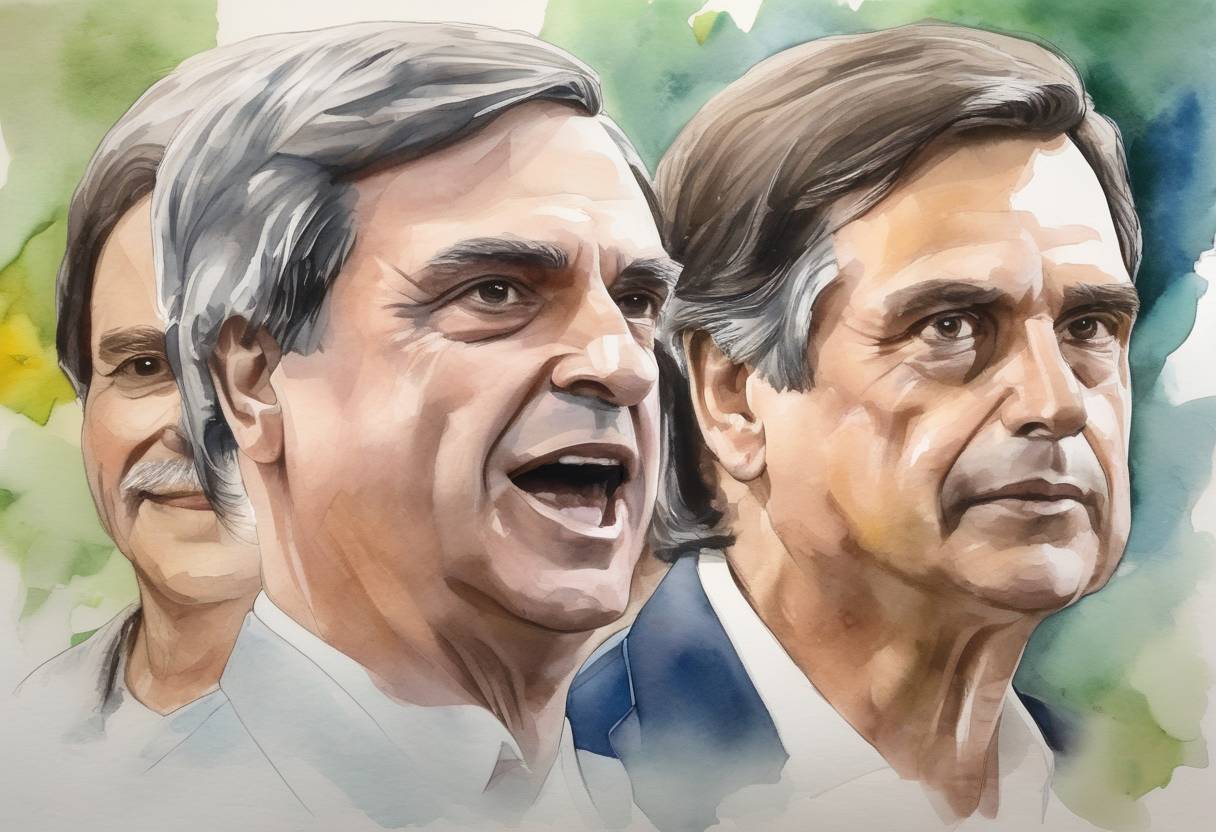
On October 7, 2018, Brazil held the first round of its presidential election, a pivotal moment in the country’s political landscape. This election was marked by significant public interest and high voter turnout, reflecting the nation’s desire for change amidst economic challenges and political scandals.
Jair Bolsonaro: A former army captain and a member of the Social Liberal Party (PSL), Bolsonaro was known for his far-right political stance. His campaign focused on anti-corruption, economic liberalization, and a tough approach to crime. Bolsonaro’s rhetoric often sparked controversy, but he managed to galvanize a substantial segment of the electorate disillusioned with traditional politics.
Fernando Haddad: Representing the Workers’ Party (PT), Haddad was the former mayor of São Paulo and served as Minister of Education under President Luiz Inácio Lula da Silva. He entered the race as a substitute for Lula, who was barred from running due to a corruption conviction. Haddad’s campaign emphasized social welfare programs and economic policies aimed at reducing inequality.
In the first round of voting, Jair Bolsonaro emerged as the frontrunner, securing approximately 46% of the votes. Fernando Haddad came in second with around 29% of the votes. Since no candidate received more than 50% of the vote, a runoff was required between the top two candidates.
Political Climate: The election took place against a backdrop of widespread dissatisfaction with the political establishment, largely due to the Operation Car Wash scandal, which implicated numerous politicians in corruption.
Economic Challenges: Brazil was grappling with economic difficulties, including a recession and high unemployment rates, which influenced voter priorities and preferences.
Social Divisions: The election highlighted deep social and political divisions within Brazil, with Bolsonaro’s candidacy polarizing public opinion due to his controversial statements on various social issues.
The runoff election was scheduled for October 28, 2018. The first round results set the stage for a highly contentious and closely watched final phase of the election, with Bolsonaro ultimately winning the presidency. His victory marked a significant shift in Brazilian politics, with potential implications for the country’s domestic policies and international relations.
This election underscored the volatility and complexity of Brazil’s political environment, reflecting broader global trends of populism and political realignment.
Source: en.wikipedia.org