NASA's LCROSS Mission: Confirmation of Water on the Moon’s South Pole
2009 · , United States
NASA's Lunar Crater Observation and Sensing Satellite (LCROSS) mission confirmed the presence of significant amounts of water ice on the Moon's south pole.
June 18, 2009
NASA launched the Lunar Reconnaissance Orbiter (LRO) and the Lunar Crater Observation and Sensing Satellite (LCROSS) to the Moon. The mission aimed to map the lunar surface and search for water ice.
Cape Canaveral, United States | NASA
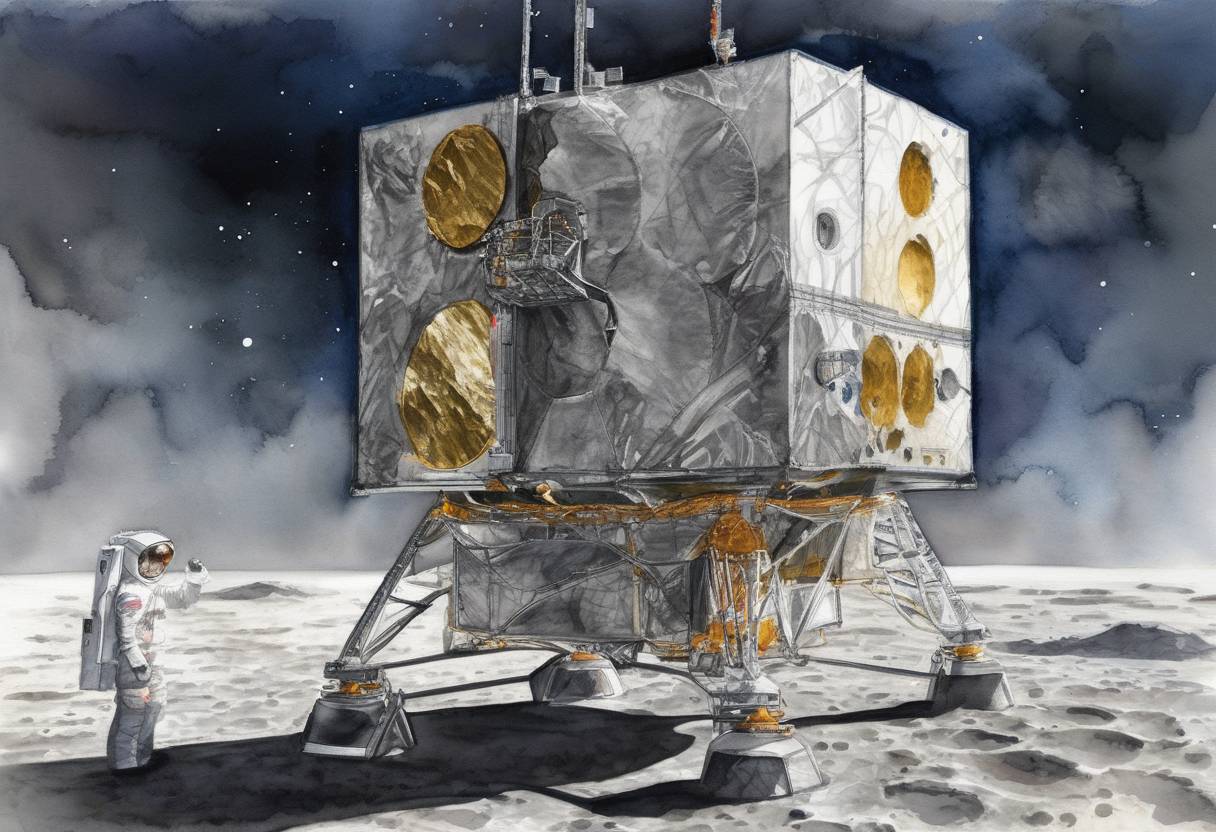
On June 18, 2009, NASA launched two significant lunar missions: the Lunar Reconnaissance Orbiter (LRO) and the Lunar Crater Observation and Sensing Satellite (LCROSS). These missions were pivotal in advancing our understanding of the Moon’s surface and its potential resources, particularly water ice.
The LRO and LCROSS missions were part of NASA’s broader efforts to return humans to the Moon and establish a sustainable presence there. Understanding the lunar environment and resources was crucial for future exploration and potential colonization.
The successful launch and operation of the LRO and LCROSS missions marked a significant milestone in lunar exploration. The confirmation of water ice on the Moon opened new possibilities for human exploration and utilization of lunar resources. The detailed mapping of the lunar surface by the LRO has provided essential data for planning future missions, including NASA’s Artemis program, which aims to return humans to the Moon.
These missions underscored the importance of robotic exploration in paving the way for human space exploration and highlighted the potential for international collaboration in lunar exploration efforts.
Source: www.nasa.gov