Awarding of the 2012 Summer Olympics to London
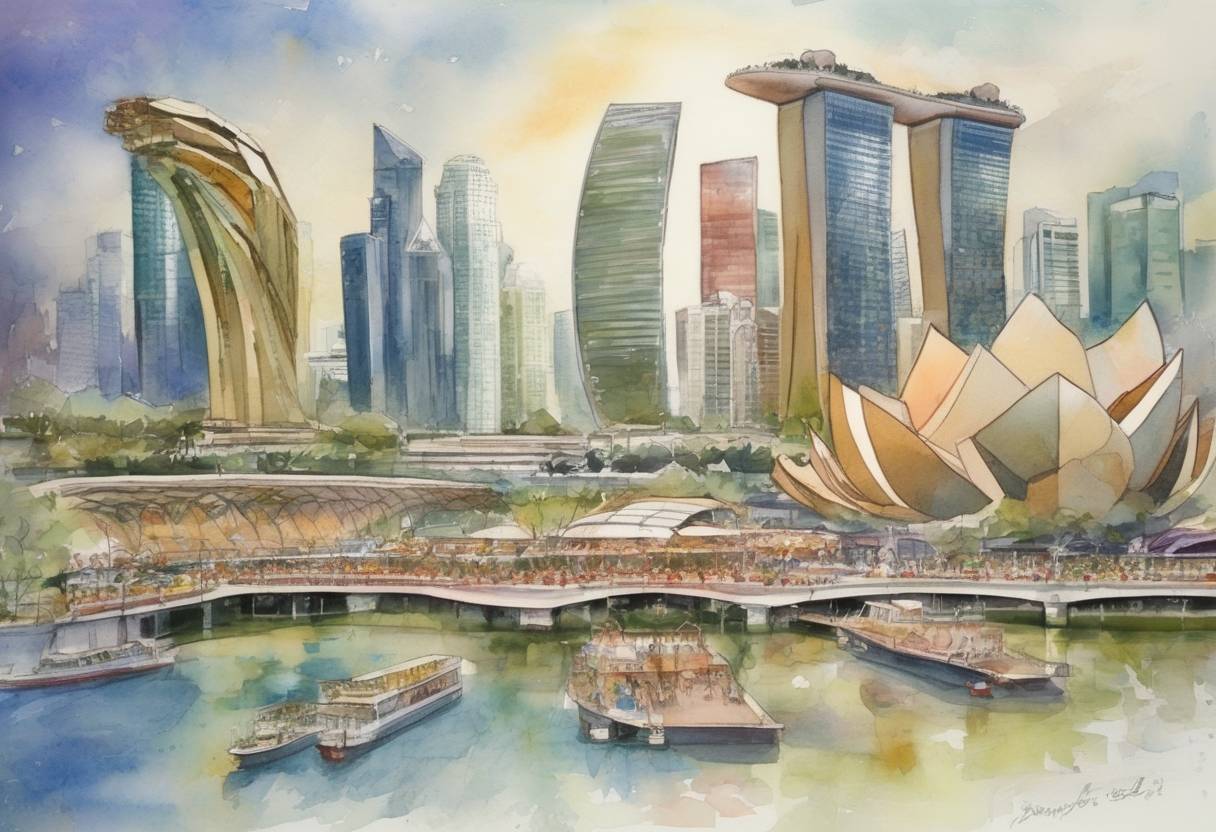
On July 6, 2005, the International Olympic Committee (IOC) awarded the 2012 Summer Olympics to London, marking a historic moment as London became the first city to host the modern Olympic Games three times. The decision was announced during the 117th IOC Session held in Singapore.
Context and Bidding Process
The bidding process for the 2012 Olympics was highly competitive, with several major cities vying for the honor. The final shortlist included:
- London, United Kingdom
- Paris, France
- Madrid, Spain
- New York City, United States
- Moscow, Russia
Each city presented a compelling case, but London and Paris emerged as the frontrunners. London’s bid was led by former Olympic champion Sebastian Coe, who played a pivotal role in promoting the city’s vision for the Games.
Key Factors in London’s Selection
Several factors contributed to London’s successful bid:
Legacy and Infrastructure: London emphasized the lasting legacy of the Games, focusing on urban regeneration, particularly in the East End, and the creation of new sports facilities.
Transport and Accessibility: The bid highlighted London’s extensive public transport network and plans for further improvements to accommodate the influx of visitors.
Cultural and Historical Appeal: London’s rich cultural heritage and previous experience hosting the Olympics in 1908 and 1948 added to its appeal.
Strong Presentation: The London bid team delivered a strong presentation to the IOC, effectively communicating their vision and commitment to delivering a successful Games.
Aftermath and Significance
The announcement was met with jubilation in London and across the United Kingdom. The successful bid was seen as a catalyst for economic development and urban renewal, particularly in the areas surrounding the Olympic Park in Stratford.
Impact and Legacy
- Economic Boost: The Games provided a significant economic boost, creating jobs and attracting investment.
- Urban Regeneration: The redevelopment of East London transformed the area, leaving a lasting legacy of improved infrastructure and housing.
- Sporting Legacy: The Games inspired a new generation of athletes and increased participation in sports across the UK.
The 2012 London Olympics were widely regarded as a success, showcasing the city’s ability to host a major international event and leaving a positive legacy for future generations. The Games were celebrated for their organization, the enthusiastic participation of volunteers, and the memorable performances of athletes from around the world.