1866 · Washington, D.C., United States
The Civil Rights Act of 1866, aimed at protecting the civil rights of African Americans post-Civil War, is passed by the United States Congress, overriding President Andrew Johnson's veto.
June 7, 1862
The United States and the United Kingdom agreed to suppress the African slave trade.
Washington, D.C., United States | United States Government, United Kingdom Government
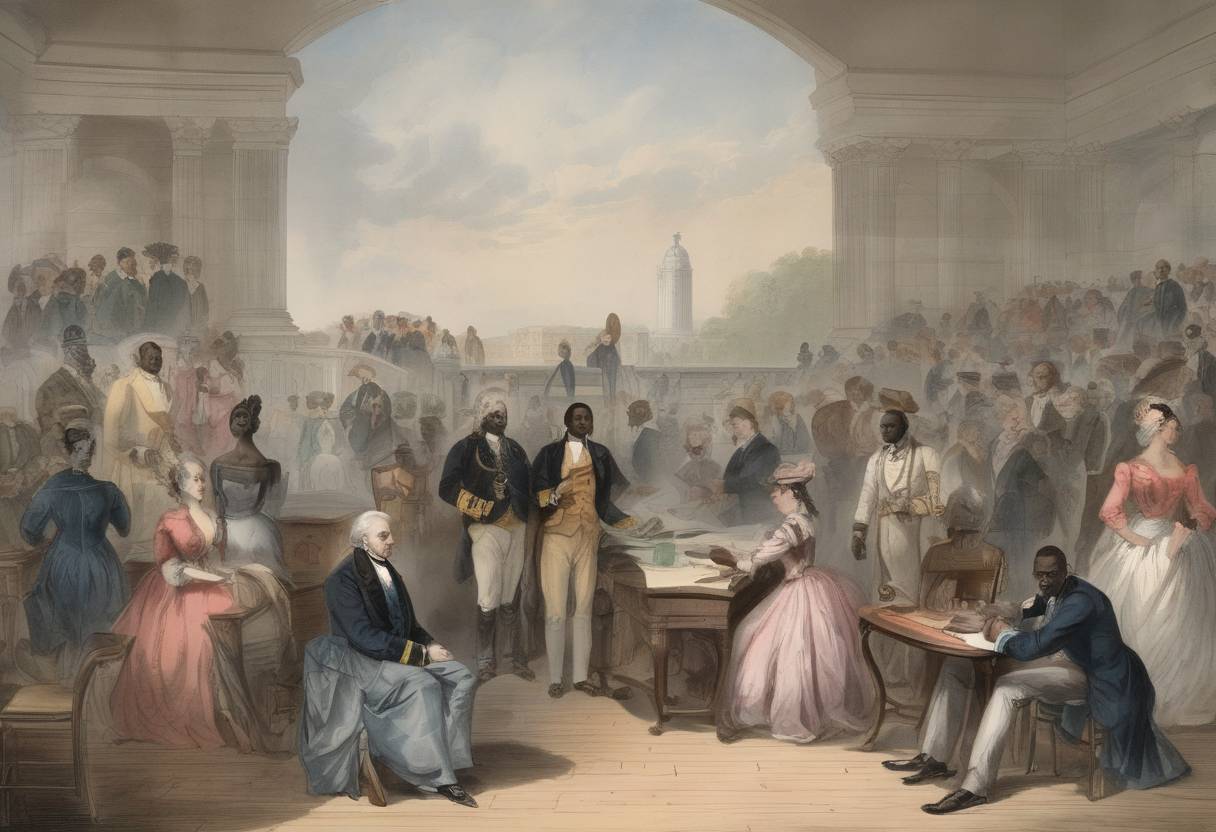
On June 7, 1862, the United States and the United Kingdom reached a significant agreement to suppress the African slave trade, marking a pivotal moment in the international effort to end the transatlantic slave trade. This agreement was part of a broader movement during the 19th century aimed at abolishing slavery and its associated practices.
The transatlantic slave trade had been a brutal and inhumane practice that forcibly transported millions of Africans to the Americas from the 16th to the 19th centuries. By the early 19th century, growing abolitionist movements in both the United States and the United Kingdom had begun to challenge the moral and ethical implications of slavery.
United Kingdom: The UK had already taken significant steps towards abolition. The British Parliament passed the Abolition of the Slave Trade Act in 1807, which made it illegal to engage in the slave trade within the British Empire. The Royal Navy was tasked with patrolling the West African coast to enforce this ban.
United States: The U.S. Congress also banned the importation of slaves in 1808, but enforcement was inconsistent, and illegal trading continued. The Civil War (1861-1865) further intensified the national debate over slavery.
The agreement between the United States and the United Kingdom on June 7, 1862, was a formal treaty aimed at enhancing cooperation between the two nations to suppress the African slave trade. Key aspects of the agreement included:
Joint Naval Patrols: Both nations agreed to deploy naval forces to patrol the African coast and intercept ships suspected of carrying slaves. This cooperation was crucial in strengthening the enforcement of anti-slavery laws.
Legal Framework: The treaty provided a legal framework for the adjudication of captured slave ships, allowing for the prosecution of those involved in the trade.
Mutual Support: The agreement underscored the commitment of both nations to work together in the fight against the slave trade, setting a precedent for international cooperation on humanitarian issues.
The 1862 agreement was significant for several reasons:
International Cooperation: It demonstrated a growing international consensus against the slave trade and highlighted the importance of collaboration between nations in addressing global issues.
Moral and Ethical Stance: The treaty reinforced the moral and ethical stance against slavery, contributing to the broader abolitionist movement that would eventually lead to the end of slavery in the United States with the 13th Amendment in 1865.
Impact on the Slave Trade: While the agreement did not immediately end the slave trade, it was a crucial step in reducing its prevalence and setting the stage for future abolitionist efforts.
In conclusion, the agreement between the United States and the United Kingdom on June 7, 1862, was a landmark moment in the fight against the African slave trade. It reflected the growing international resolve to end this inhumane practice and laid the groundwork for further advancements in human rights and international law.
Source: en.wikipedia.org