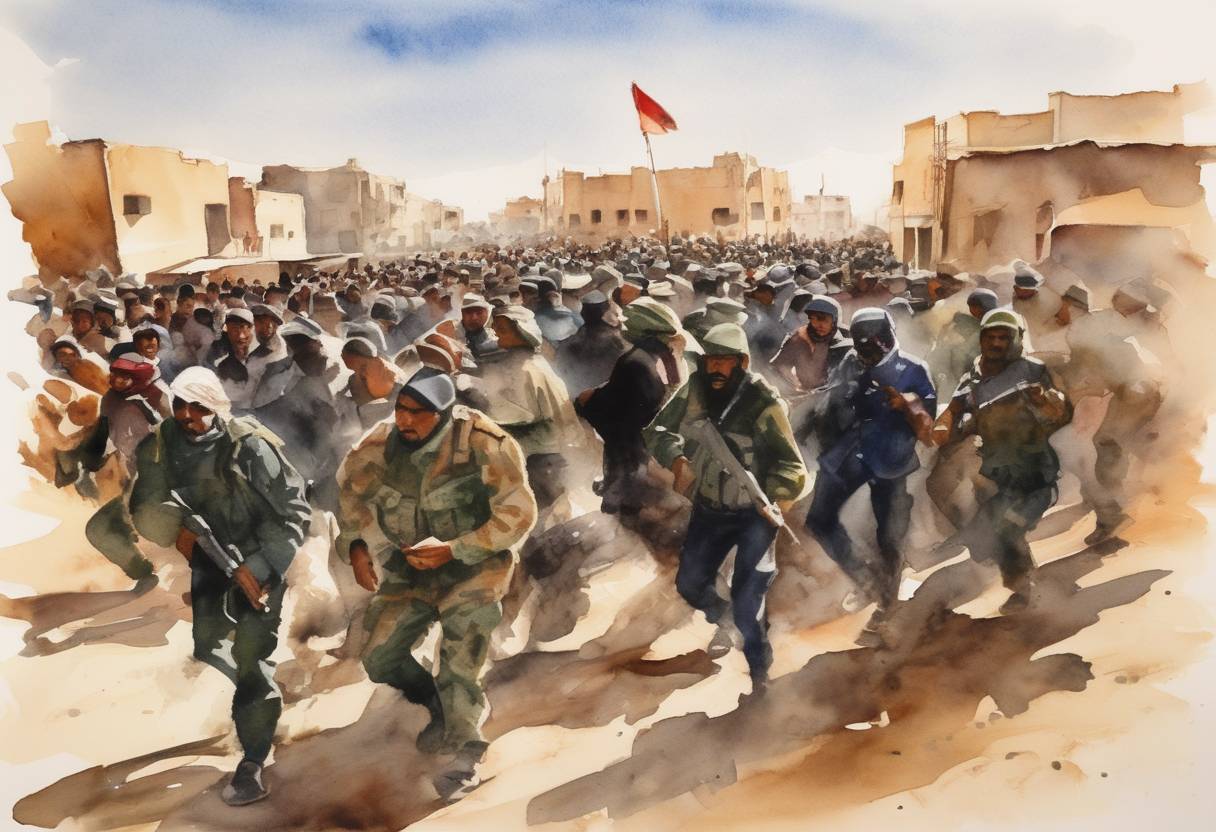
The Western Sahara Protest Dispersal on November 2, 2005
On November 2, 2005, the city of Laayoune in Western Sahara witnessed a substantial demonstration by Sahrawi activists advocating for independence from Moroccan rule. These protests were part of a series of actions by Sahrawi activists seeking self-determination and were met with a severe response by Moroccan security forces.
Background
- Western Sahara Dispute: Since 1975, the region of Western Sahara has been a contentious territory. Following Spain’s decolonization, Morocco claimed sovereignty over the territory, leading to ongoing disputes with the Sahrawi nationalist group, the Polisario Front, which seeks independence for Western Sahara.
- Sahrawi Protests: The Sahrawi people periodically organize protests to assert their desire for independence and draw international attention to their cause. These protests often occur against a backdrop of diplomatic negotiations and intermittent hostilities between Morocco and the Polisario Front.
The Events of November 2, 2005
- Gathering and Protest: On this day, hundreds of Sahrawi demonstrators assembled in Laayoune to demand recognition of their right to self-determination. The protests were reportedly peaceful, involving symbolic acts and chants for independence.
- Moroccan Response: Moroccan security forces, including police and auxiliary forces, moved rapidly to disperse the demonstrations. This involved the use of physical force, leading to injuries among the protesters.
- Scale of Violence: Reports indicated several demonstrators were injured in the crackdown, with allegations of excessive force being used. The dispersal operation was part of a broader pattern of heavy-handed suppression observed in the region at that time.
Aftermath and Consequences
- International Reactions: The violence was condemned by various international human rights organizations, which criticized Morocco’s approach and called for investigations into the conduct of the security forces.
- Continued Tensions: The event highlighted the ongoing tensions in Western Sahara, contributing to calls from international bodies for a renewed focus on finding a political solution to the territorial dispute. It reaffirmed the difficult situation faced by the Sahrawi people and reiterated the complexities involved in the region’s quest for self-determination.
Broader Implications
- Human Rights Concerns: The incident drew attention to issues of human rights and free expression within Morocco-controlled areas of Western Sahara.
- Diplomatic Stalemate: The events underscored the stalled diplomatic processes aiming to resolve the status of Western Sahara, impacting future negotiations involving Morocco, the Polisario Front, and international mediators.
The November 2, 2005, protests serve as a critical example of the ongoing struggle in Western Sahara, reflecting the entrenched conflict between demands for self-determination by the Sahrawi people and Morocco’s claims over the territory.