Kansas Admitted to the Union as the 34th State
1861 · Washington D.C., United States
Kansas was admitted to the Union as the 34th U.S. state.
August 10, 1821
Missouri was admitted as the 24th state of the United States, following the Missouri Compromise which allowed Missouri to enter as a slave state in exchange for Maine's admission as a free state.
Washington, D.C., United States | United States Congress
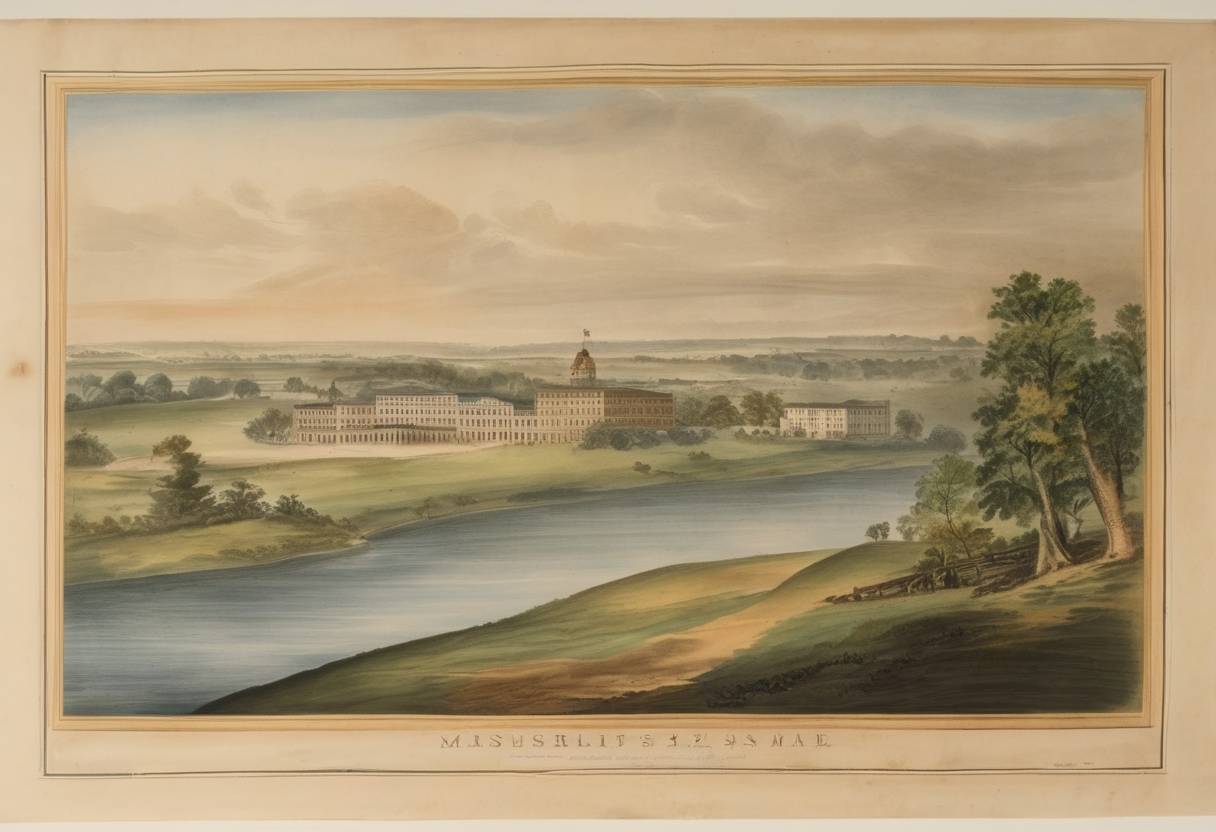
On August 10, 1821, Missouri was officially admitted to the United States as the 24th state. This significant event was the culmination of a complex and contentious political process known as the Missouri Compromise, a critical development in the lead-up to the American Civil War.
The admission of Missouri as a slave state was intricately linked to the Missouri Compromise, an agreement passed by the U.S. Congress in 1820. This compromise was a crucial effort to balance the power between free and slave states. As Missouri sought statehood, tensions were mounting regarding the expansion of slavery into new western territories.
The Missouri Compromise provided a dual solution:
This maintained the balance in the Senate between free and slave states, with 12 of each.
A key component of the Missouri Compromise was the establishment of a geographical boundary for slavery within the Louisiana Purchase territory, excluding Missouri. Slavery was prohibited north of the 36°30’ latitude, which was the southern border of Missouri. This provision was intended to prevent the spread of slavery into new northern territories.
The compromise was significant because it temporarily quelled the sectional conflict between North and South, delaying the more extensive disputes over slavery that would eventually lead to the American Civil War. However, it also underscored the deep divisions within the country.
The admission of Missouri as a slave state under the terms of the Missouri Compromise had several lasting effects:
Missouri’s admission to the Union is a landmark event that illustrates the complexity and difficulty of managing the issue of slavery in early 19th-century America. It remains a pivotal moment in understanding the political and social landscape leading up to the American Civil War.
Source: en.wikipedia.org