Russian Recognition and Military Movement into Eastern Ukraine - February 23, 2022
On February 23, 2022, Russian President Vladimir Putin made a pivotal decision that significantly escalated tensions in Eastern Europe. This date followed a critical sequence of events that began with Russia recognizing the independence of two breakaway regions in Eastern Ukraine, Luhansk and Donetsk. These regions, collectively known as the Donbas, had been the center of conflict between Ukrainian forces and separatist groups with alleged Russian backing since 2014.
Context and Lead-Up
The background to the February 23rd escalation includes years of strained relations between Russia and Ukraine, particularly following Russia’s annexation of Crimea in 2014. The Minsk Agreements, established in 2014 and 2015, sought to cease hostilities and establish a framework for political resolution, though compliance had been inconsistent and heavily disputed by both sides.
In the months preceding February 23, 2022, there was a noticeable build-up of Russian military forces along Ukraine’s borders. Diplomatic efforts to de-escalate the situation saw limited success, with NATO and Western countries warning against potential aggression by Moscow.
The February 23 Escalation
On February 21, 2022, Vladimir Putin officially recognized Luhansk and Donetsk as independent states. In a televised speech, Putin described the decision as a response to the Ukrainian government’s failure to implement the Minsk Agreements and alleged aggression against the people of the Donbas. Following this recognition, Putin signed mutual aid treaties with the leaders of these regions, laying a formal pretext for military intervention.
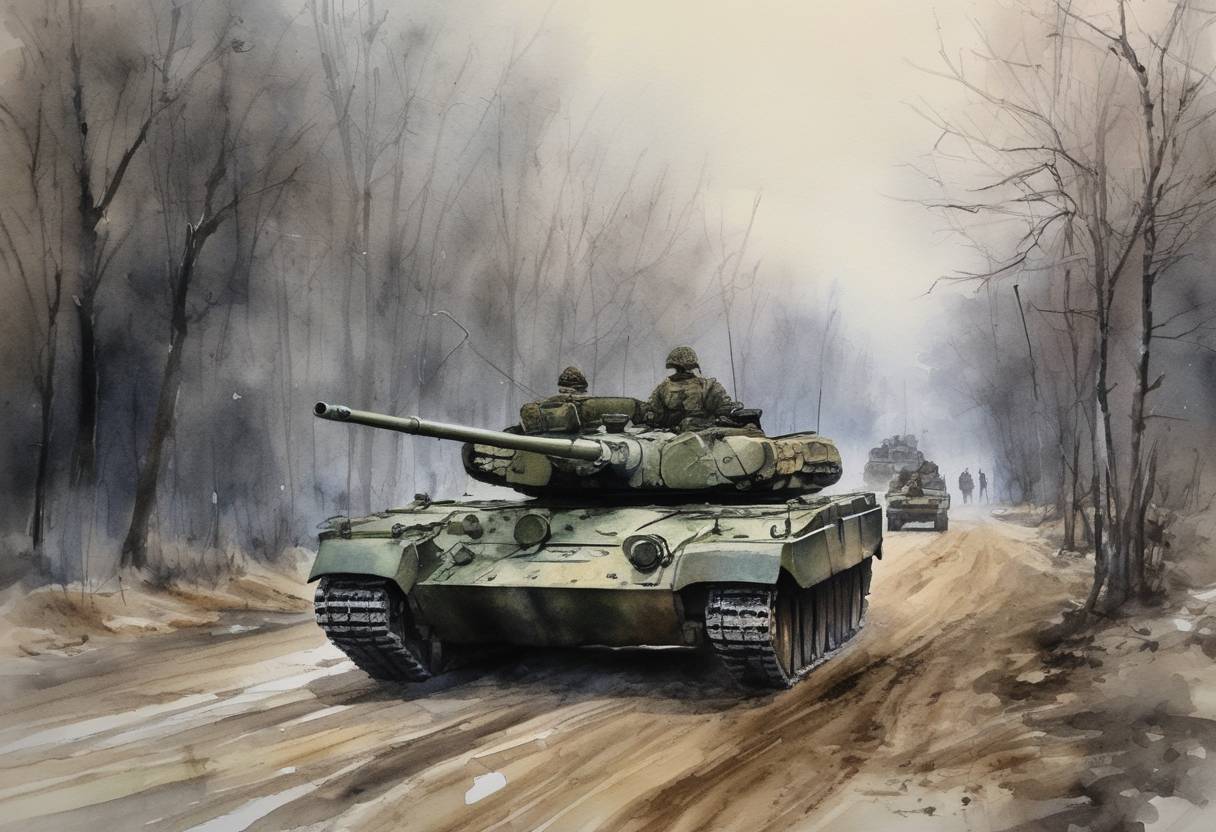
Two days later, on February 23, Putin ordered Russian troops into these regions, presenting the move as a peacekeeping mission aimed at protecting citizens in the newly recognized republics. This military deployment marked a significant increase in military activities, heightening international tensions and triggering a series of economic sanctions from Western nations targeting Russian interests.
Consequences and International Reactions
The decision to recognize and militarily support Luhansk and Donetsk as independent states greatly alarmed the international community. Western countries, particularly the United States and members of the European Union, condemned the actions as a clear violation of international law and Ukraine’s sovereignty.
These events quickly set the stage for the broader Russian invasion of Ukraine, which commenced on February 24, 2022. The day marked the beginning of a full-scale military conflict that resulted in widespread geopolitical ramifications, humanitarian crises, and further actions and sanctions against Russia by the international community.
Historical Significance
This move by Russia is seen as a watershed moment in post-Cold War European history. It revived concerns over territorial integrity and international security norms established in the aftermath of World War II and the dissolution of the Soviet Union. The escalation on February 23, 2022, and subsequent actions led to a reevaluation of global alliances, military strategies, and economic conditions worldwide, further reinforcing the enduring complexity of the Ukraine-Russia conflict.