2011 · Juba, South Sudan
The Republic of South Sudan gains full autonomy after Agreement on the Abyei Area comes into effect, eventually leading to its independence on July 9, 2011.
January 9, 2011
The Southern Sudanese independence referendum began, leading to the eventual independence of South Sudan from Sudan.
Juba, South Sudan | Government of Sudan
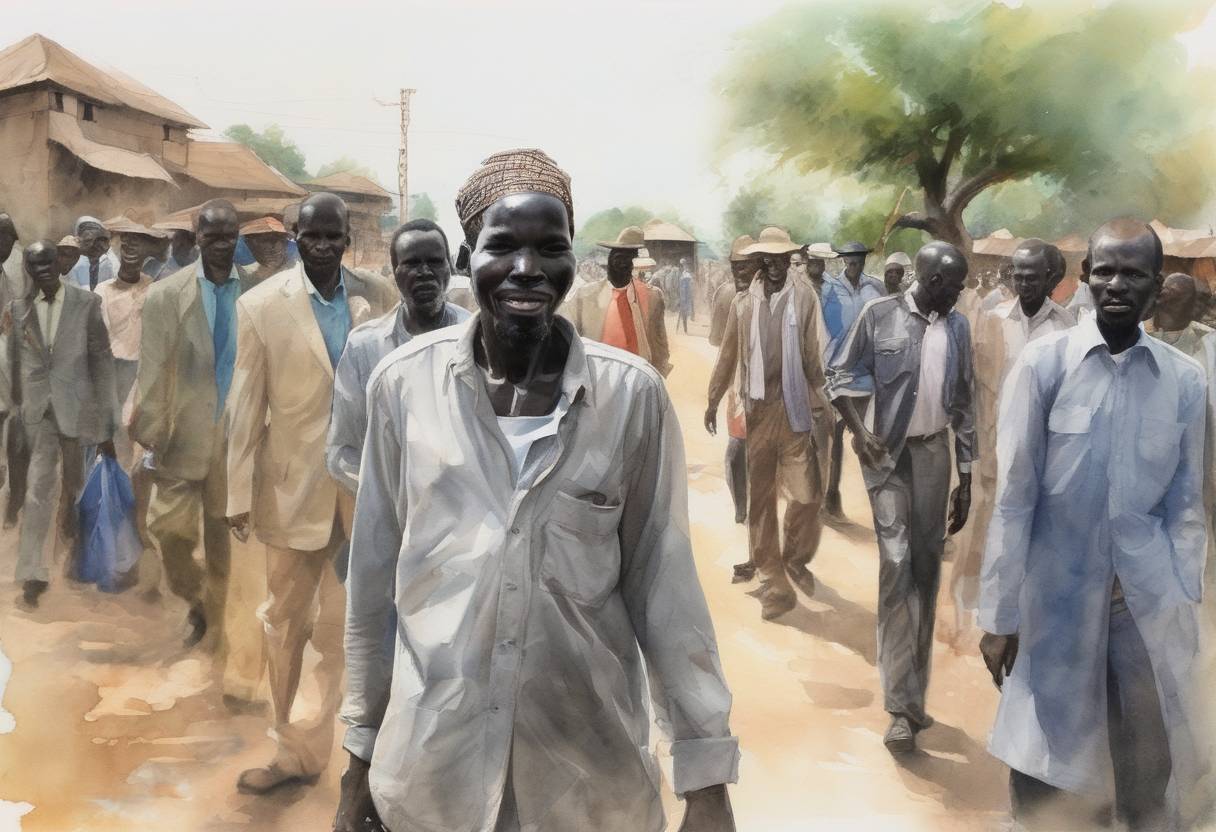
On January 9, 2011, the Southern Sudanese independence referendum commenced, marking a pivotal moment in the history of Sudan and the eventual creation of the Republic of South Sudan. This referendum was a key component of the Comprehensive Peace Agreement (CPA) signed in 2005, which aimed to end the Second Sudanese Civil War—a conflict that had lasted over two decades and resulted in significant loss of life and displacement.
Second Sudanese Civil War (1983-2005): This conflict was primarily between the Sudanese government in the north and the Sudan People’s Liberation Army/Movement (SPLA/M) in the south. It was fueled by religious, ethnic, and economic disparities, as well as disputes over oil-rich regions.
Comprehensive Peace Agreement (2005): The CPA was brokered with international support, including the Intergovernmental Authority on Development (IGAD), the United States, and other global actors. It provided for a six-year interim period of autonomy for Southern Sudan, culminating in the 2011 referendum on independence.
Date and Duration: The referendum took place from January 9 to January 15, 2011.
Eligibility and Participation: Southern Sudanese citizens were eligible to vote. The referendum saw a high voter turnout, with over 97% of registered voters participating.
Outcome: An overwhelming majority, approximately 98.83%, voted in favor of independence from Sudan.
Declaration of Independence: Following the referendum, South Sudan officially declared its independence on July 9, 2011, becoming the world’s newest sovereign state.
International Recognition: South Sudan was quickly recognized by the international community and became a member of the United Nations on July 14, 2011.
Challenges: Despite achieving independence, South Sudan faced numerous challenges, including internal conflicts, economic dependency on oil, and disputes with Sudan over border demarcation and resource sharing.
Broader Impact: The successful referendum and subsequent independence of South Sudan were seen as a triumph for self-determination and a testament to the effectiveness of international diplomatic efforts in resolving long-standing conflicts.
The Southern Sudanese independence referendum of 2011 was a landmark event that reshaped the geopolitical landscape of Africa and highlighted the complexities of nation-building in post-conflict societies.
Source: en.wikipedia.org