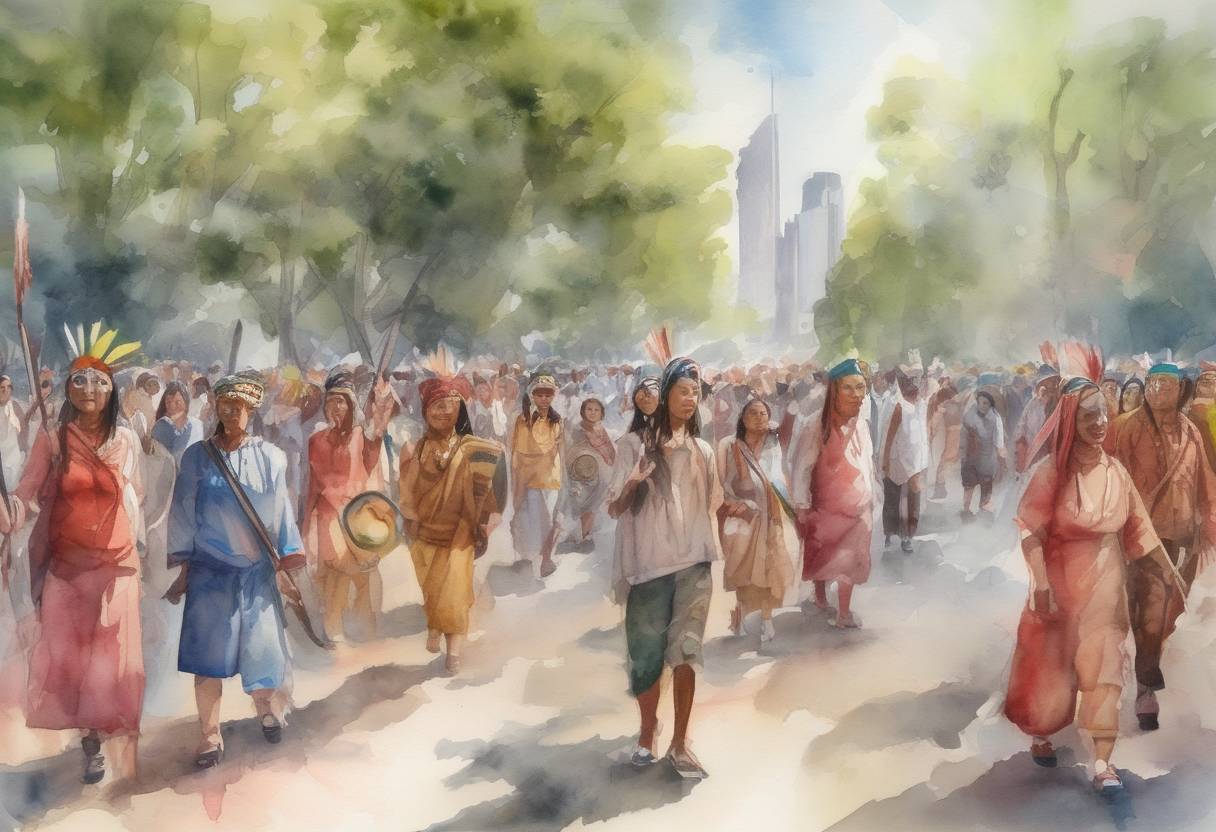
International Decade of Indigenous Languages
On July 1, 2023, the United Nations officially declared the start of the International Decade of Indigenous Languages. This initiative aims to promote and protect indigenous languages worldwide, recognizing their critical role in preserving cultural heritage, identity, and diversity.
Background
The declaration of the International Decade of Indigenous Languages follows the success of the International Year of Indigenous Languages in 2019. The year-long campaign highlighted the alarming rate at which indigenous languages are disappearing and emphasized the need for urgent action to safeguard these languages. According to UNESCO, approximately 40% of the estimated 6,700 languages spoken worldwide are at risk of extinction, with indigenous languages making up a significant portion of those endangered.
Objectives
The International Decade of Indigenous Languages seeks to:
- Raise Awareness: Increase global awareness about the importance of indigenous languages and the challenges they face.
- Promote Preservation: Encourage the documentation, revitalization, and preservation of indigenous languages through educational and cultural initiatives.
- Support Indigenous Communities: Empower indigenous peoples to lead efforts in maintaining and revitalizing their languages.
- Foster International Cooperation: Encourage collaboration between governments, indigenous communities, academia, and other stakeholders to create supportive policies and frameworks.
Key Events Leading Up to the Declaration
- 2016: The UN General Assembly proclaimed 2019 as the International Year of Indigenous Languages, which set the stage for broader initiatives.
- 2019: The International Year of Indigenous Languages was celebrated, leading to increased global attention and the development of strategic plans for language preservation.
- 2020-2022: Consultations and planning by UNESCO and indigenous representatives culminated in the proposal for a decade-long initiative.
Significance
The International Decade of Indigenous Languages is significant for several reasons:
- Cultural Heritage: Languages are vital carriers of cultural traditions, histories, and identities. Preserving them helps maintain the cultural richness and diversity of the world.
- Human Rights: Language rights are integral to the human rights of indigenous peoples, ensuring their ability to communicate, educate, and govern in their native languages.
- Biodiversity: Indigenous languages often contain unique ecological knowledge crucial for biodiversity conservation.
Expected Outcomes
The decade-long initiative is expected to result in:
- Enhanced visibility and appreciation of indigenous languages globally.
- Strengthened policies and legal frameworks supporting language preservation.
- Increased resources and funding dedicated to language revitalization projects.
Conclusion
The International Decade of Indigenous Languages represents a critical opportunity to address the challenges facing indigenous languages and to celebrate their invaluable contributions to global cultural diversity. By fostering collaboration and empowering indigenous communities, the initiative aims to ensure that these languages continue to thrive for future generations.