Equatorial Guinea's Admission to the United Nations
1971 · New York City, United States
United Nations General Assembly ratifies the former Spanish colony of Equatorial Guinea's admission to the UN, following the end of colonial rule.
October 12, 1968
Equatorial Guinea gained independence from Spain, becoming a sovereign nation.
Malabo, Equatorial Guinea | Spanish Government
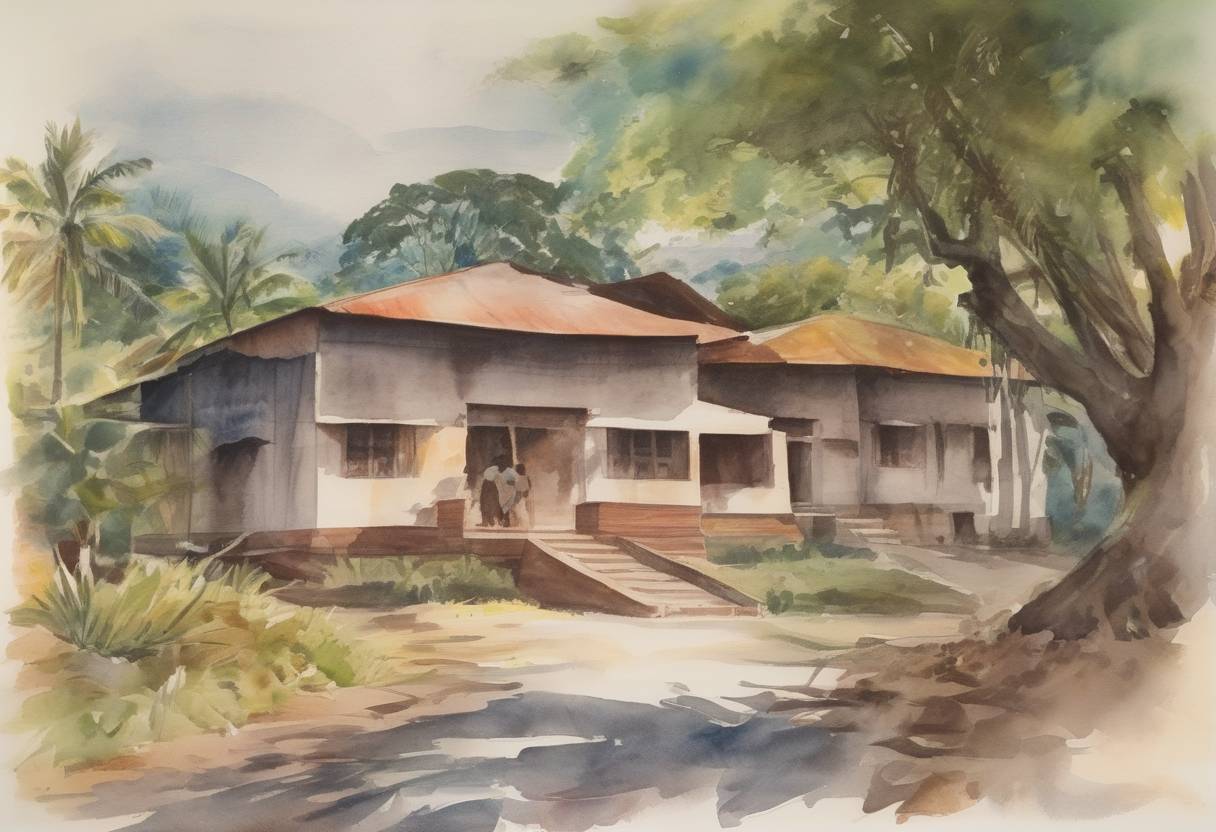
On October 12, 1968, Equatorial Guinea officially gained independence from Spain, marking a significant transition from colonial rule to sovereignty. This event was a pivotal moment in the history of Equatorial Guinea, as it became one of the last African nations to achieve independence from European colonial powers.
Colonial Background: Equatorial Guinea, located on the west coast of Central Africa, was colonized by Spain in the late 18th century. The territory consisted of the mainland region, known as Río Muni, and the island of Bioko, along with several smaller islands.
Path to Independence: The push for independence in Equatorial Guinea was part of a broader wave of decolonization across Africa during the mid-20th century. In the 1960s, increasing pressure from international bodies and the rise of nationalist movements within the colony led Spain to reconsider its colonial holdings.
Constitutional Developments: In 1963, Spain granted Equatorial Guinea a degree of autonomy, establishing a local government and a legislative assembly. This was a step towards self-governance, although Spain retained control over defense and foreign affairs.
Referendum and Elections: In 1967, a constitutional referendum was held, leading to the establishment of a framework for full independence. Subsequently, elections were conducted in 1968, resulting in Francisco Macías Nguema becoming the first President of Equatorial Guinea.
Political Challenges: The post-independence period was marked by political instability. Francisco Macías Nguema’s regime soon turned authoritarian, leading to widespread human rights abuses and economic decline.
International Relations: Equatorial Guinea’s independence allowed it to join the United Nations and other international organizations, seeking to establish its presence on the global stage.
Legacy: The independence of Equatorial Guinea is a significant chapter in the history of decolonization in Africa. It highlights the complex transition from colonial rule to self-governance and the challenges faced by newly independent nations.
Equatorial Guinea’s journey to independence reflects the broader historical trends of the 20th century, characterized by the dismantling of colonial empires and the emergence of new nation-states in Africa.
Source: en.wikipedia.org