Conversion of King Edwin of Northumbria to Christianity
627 · York, Kingdom of Northumbria
King Edwin of Northumbria is converted to Christianity by Paulinus, a Roman missionary, marking a significant moment in the Christianization of England.
December 25, 0597
King Æthelberht of Kent was baptized by Augustine of Canterbury, marking a significant moment in the Christianization of Anglo-Saxon England.
Canterbury, Kingdom of Kent | Christian Church
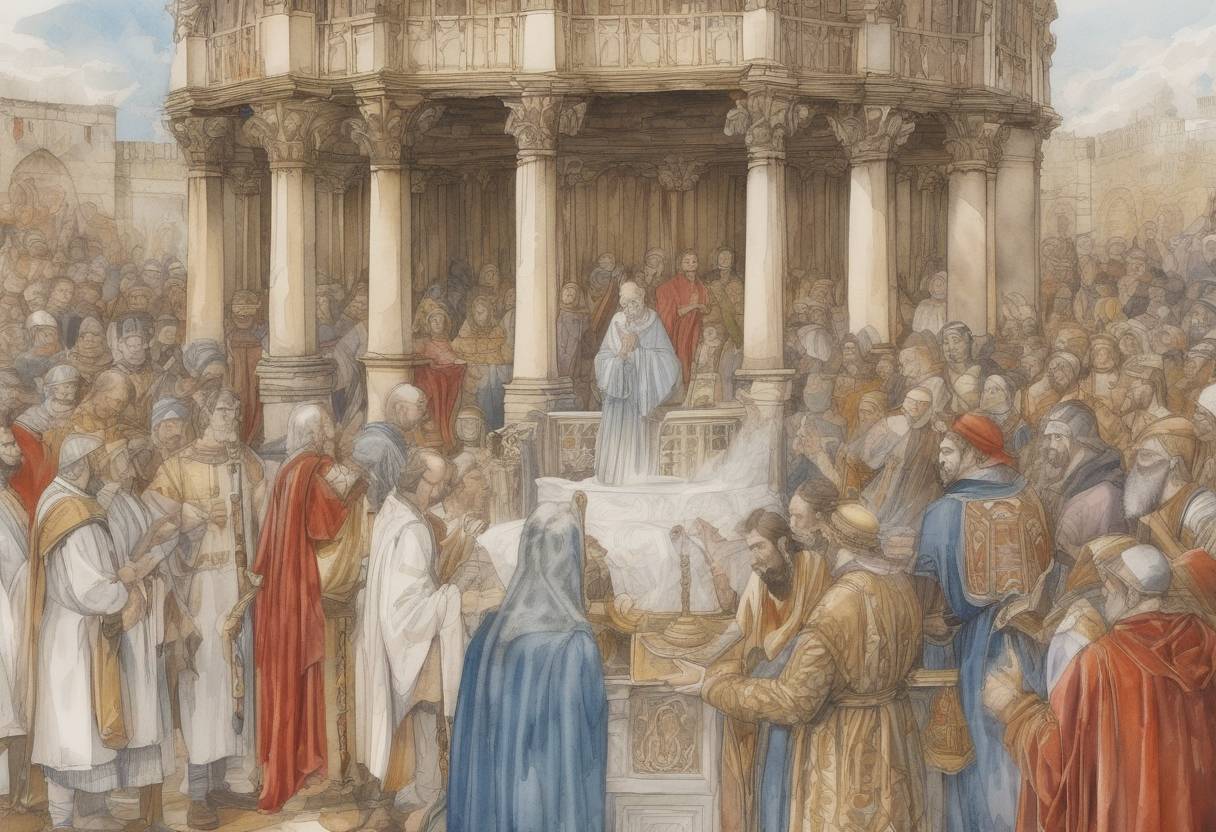
On December 25, 597, a pivotal event in the Christianization of Anglo-Saxon England occurred: King Æthelberht of Kent was baptized by Augustine of Canterbury. This moment marked a significant turning point in the religious landscape of England and had far-reaching implications for the spread of Christianity across the British Isles.
Æthelberht of Kent: Æthelberht was the king of Kent from around 589 until his death in 616. He was one of the most powerful Anglo-Saxon kings of his time, ruling over Kent and exerting influence over other kingdoms in southern England.
Augustine of Canterbury: Augustine was a Benedictine monk sent by Pope Gregory the Great in 596 to convert the Anglo-Saxons to Christianity. He arrived in Kent in 597 and established a mission in Canterbury.
Pagan England: Before Augustine’s mission, Anglo-Saxon England was predominantly pagan. The conversion of a king was crucial, as it often led to the conversion of his subjects.
Date and Location: King Æthelberht was baptized on Christmas Day, December 25, 597, in Canterbury, the heart of his kingdom.
Significance: Æthelberht’s baptism was a monumental event as it symbolized the acceptance of Christianity by a major Anglo-Saxon ruler. This act provided Augustine and his mission with royal support, facilitating the spread of Christianity.
Spread of Christianity: Following Æthelberht’s conversion, many of his subjects and other regional leaders began to embrace Christianity. This laid the groundwork for the widespread Christianization of England.
Establishment of the Church: Augustine established the first cathedral in Canterbury, which became the center of the English Church. Canterbury remains the ecclesiastical capital of England to this day.
Cultural and Political Impact: The adoption of Christianity had profound effects on English culture, law, and politics. It connected England more closely with the rest of Christian Europe and facilitated cultural and intellectual exchanges.
Æthelberht’s baptism was not just a religious milestone but also a catalyst for cultural transformation in England. It marked the beginning of a new era, where Christian values and institutions began to shape the social and political fabric of the region. The event underscores the role of religious conversion in altering the course of history and highlights the strategic importance of royal patronage in the spread of new ideas and beliefs.
Source: www.britannica.com