Execution of Louis Riel: November 16, 1885
1885 · Regina, Canada
Louis Riel, a Canadian political and Métis leader, was executed for treason in Regina, Northwest Territories, after leading the North-West Rebellion against the Canadian government.
March 24, 1837
Canada gave African Canadian men the right to vote, a significant step towards racial equality in the country's electoral process.
Toronto, Canada | Canadian Government
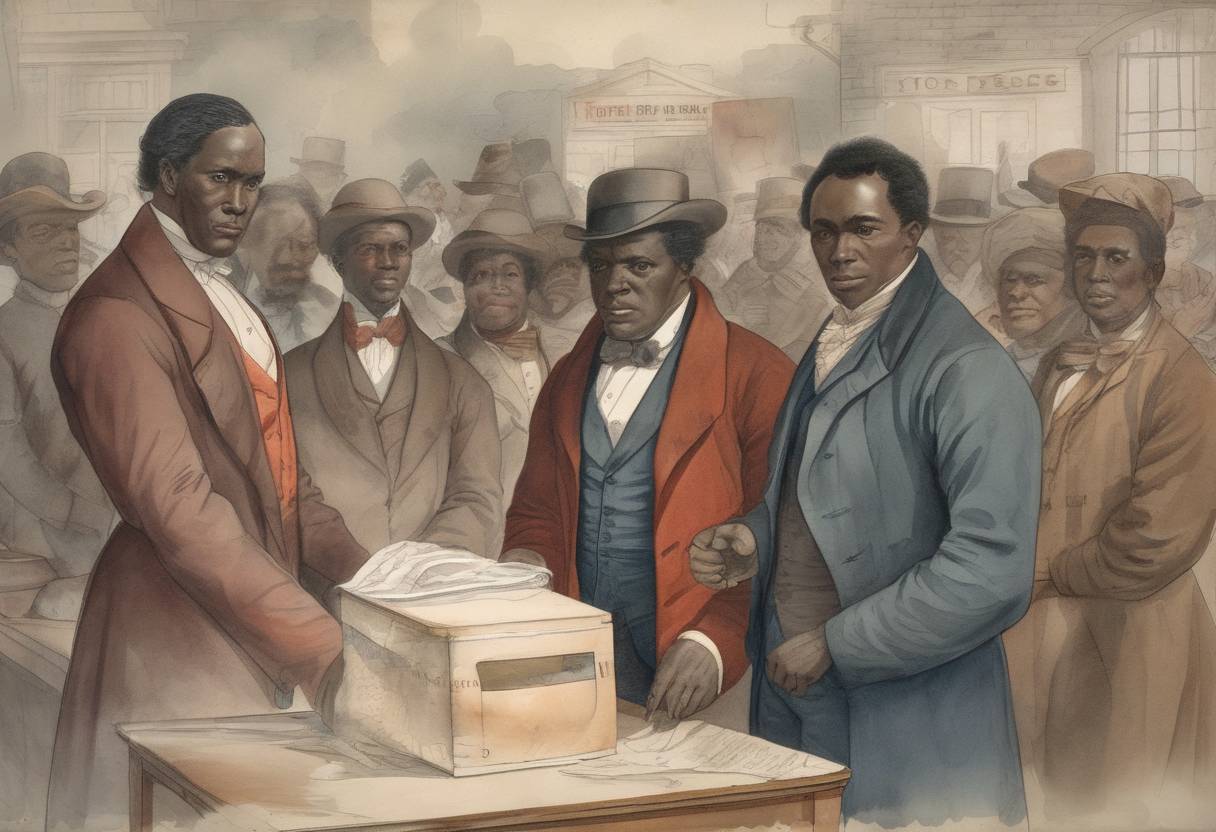
On March 24, 1837, a significant milestone in the journey towards racial equality in Canada was achieved when African Canadian men were granted the right to vote. This development marked an important step in the broader struggle for civil rights and inclusion within the Canadian electoral process.
In the early 19th century, Canada, like many other parts of the world, was grappling with issues of racial discrimination and inequality. The African Canadian community, primarily composed of descendants of enslaved people and free Black Loyalists who had settled in Canada after the American Revolutionary War, faced systemic barriers and discrimination.
The right to vote was a critical aspect of civic participation and empowerment. However, racial prejudices and discriminatory laws often excluded African Canadians and other minority groups from participating fully in the democratic process.
Abolitionist Movements: The early 19th century saw the rise of abolitionist movements in Canada, which advocated for the rights and freedoms of African Canadians and other marginalized groups. These movements played a crucial role in raising awareness and pushing for legislative changes.
Influence of British Law: As a British colony, Canada was influenced by legal and social changes occurring in Britain, including the gradual abolition of slavery and the extension of civil rights to various groups.
Local Advocacy: African Canadian communities and their allies actively campaigned for equal rights, including the right to vote. Their persistent efforts were instrumental in bringing about legislative changes.
On March 24, 1837, the legislative assembly in Upper Canada (now Ontario) passed measures that extended voting rights to African Canadian men. This decision was a reflection of the growing recognition of the need for racial equality and the importance of inclusive democratic processes.
Empowerment: Granting voting rights to African Canadian men was a significant step towards their political empowerment and participation in shaping the future of their communities and the nation.
Precedent for Further Reforms: This development set a precedent for further reforms aimed at dismantling racial barriers and promoting equality. It laid the groundwork for future civil rights advancements in Canada.
Ongoing Struggles: Despite this progress, African Canadians and other minority groups continued to face challenges and discrimination. The fight for full equality and civil rights would persist throughout the 19th and 20th centuries.
In conclusion, the granting of voting rights to African Canadian men on March 24, 1837, was a landmark event in Canadian history. It represented a crucial step towards racial equality and the inclusion of all citizens in the democratic process, highlighting the ongoing journey towards justice and equality in Canada.
Source: en.wikipedia.org