Assassination of Swedish Prime Minister Olof Palme
1986 · Stockholm, Sweden
Swedish Prime Minister Olof Palme is assassinated in Stockholm, leading to a major investigation and political upheaval in Sweden.
November 24, 2021
Sweden's parliament elects Magdalena Andersson as the country's first female prime minister, though she resigns hours later due to a budget defeat.
Stockholm, Sweden | Swedish Parliament
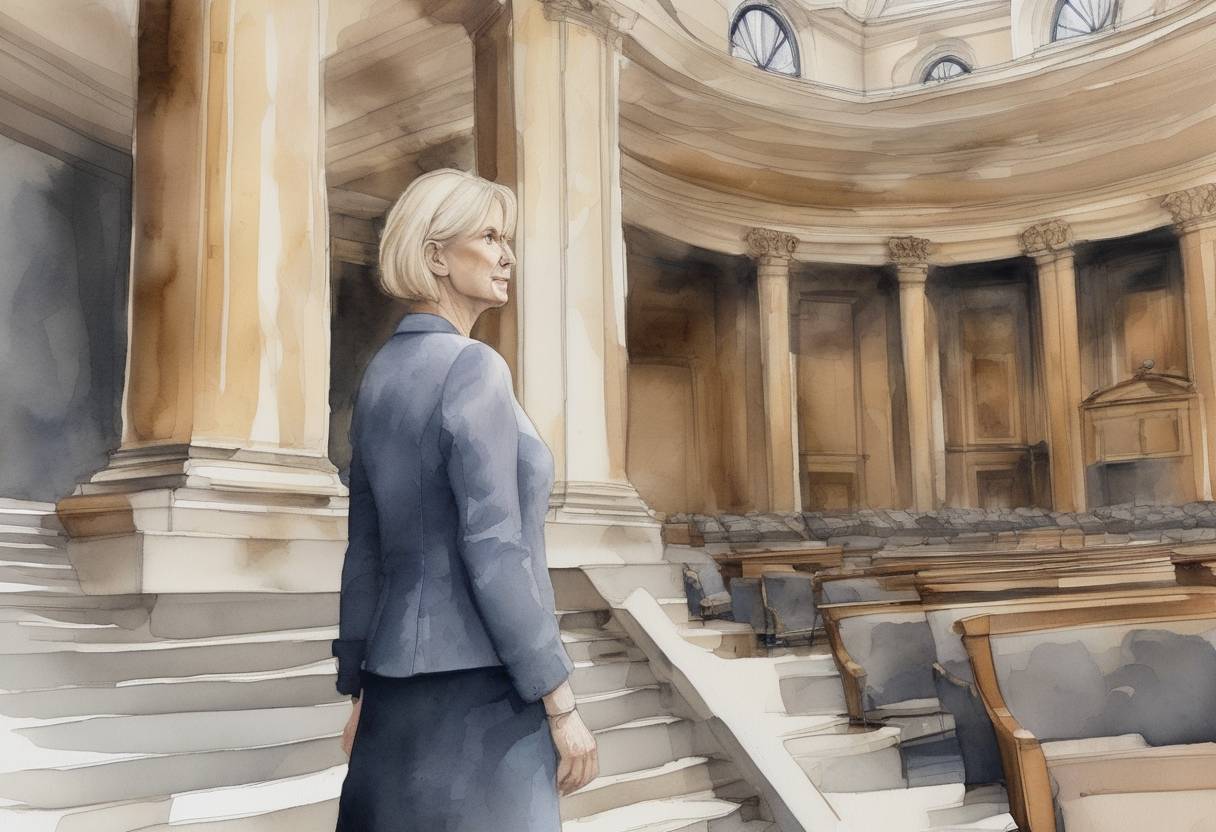
On November 24, 2021, Magdalena Andersson made history by becoming Sweden’s first female prime minister. Her election marked a significant milestone in Swedish politics, reflecting the country’s progressive stance on gender equality. However, her tenure was unexpectedly brief, as she resigned just hours after her appointment due to a budgetary defeat in parliament.
Magdalena Andersson, a member of the Social Democrats, had served as Sweden’s Minister for Finance since 2014. She was chosen to succeed Stefan Löfven, who announced his resignation earlier in 2021. Andersson’s leadership was anticipated to continue the Social Democrats’ policies, focusing on welfare, climate change, and economic stability.
Andersson was elected by the Riksdag (Swedish Parliament) with a narrow margin. In Sweden, a prime minister can be appointed if a majority of the parliament does not vote against them. Andersson secured her position with 117 votes in favor, 57 abstentions, and 174 votes against, with the abstentions playing a crucial role in her election.
The same day Andersson was elected, her proposed budget was rejected in favor of an alternative budget put forth by the opposition, which included the Moderate Party, the Christian Democrats, and the Sweden Democrats. This budget defeat was a significant blow, as it indicated a lack of parliamentary support for her government’s fiscal policies.
Following the budget defeat, the Green Party, a coalition partner, withdrew its support from Andersson’s government. This development left her without a coalition majority, prompting her resignation. Andersson stated that she did not want to lead a government where its legitimacy could be questioned.
Despite her brief tenure, Andersson’s election was a historic moment for Sweden, highlighting the ongoing challenges and complexities of coalition politics in parliamentary systems. Her resignation underscored the fragile nature of minority governments and the importance of coalition support in Swedish politics.
Following her resignation, Andersson was re-elected as prime minister on November 29, 2021, after securing the necessary support to form a single-party Social Democrat government. Her leadership continued to focus on addressing key issues such as social welfare, climate change, and economic recovery.
Magdalena Andersson’s brief initial tenure as prime minister serves as a reminder of the dynamic and often unpredictable nature of political leadership, especially in coalition-based parliamentary systems.
Source: www.reuters.com