Ivory Coast Gains Independence from France
1960 · Abidjan, Ivory Coast
Ivory Coast gained independence from France, marking a significant moment in the decolonization of Africa.
October 2, 1958
Guinea declared its independence from France, becoming the first French African colony to gain independence.
Conakry, Guinea | French Colonial Empire
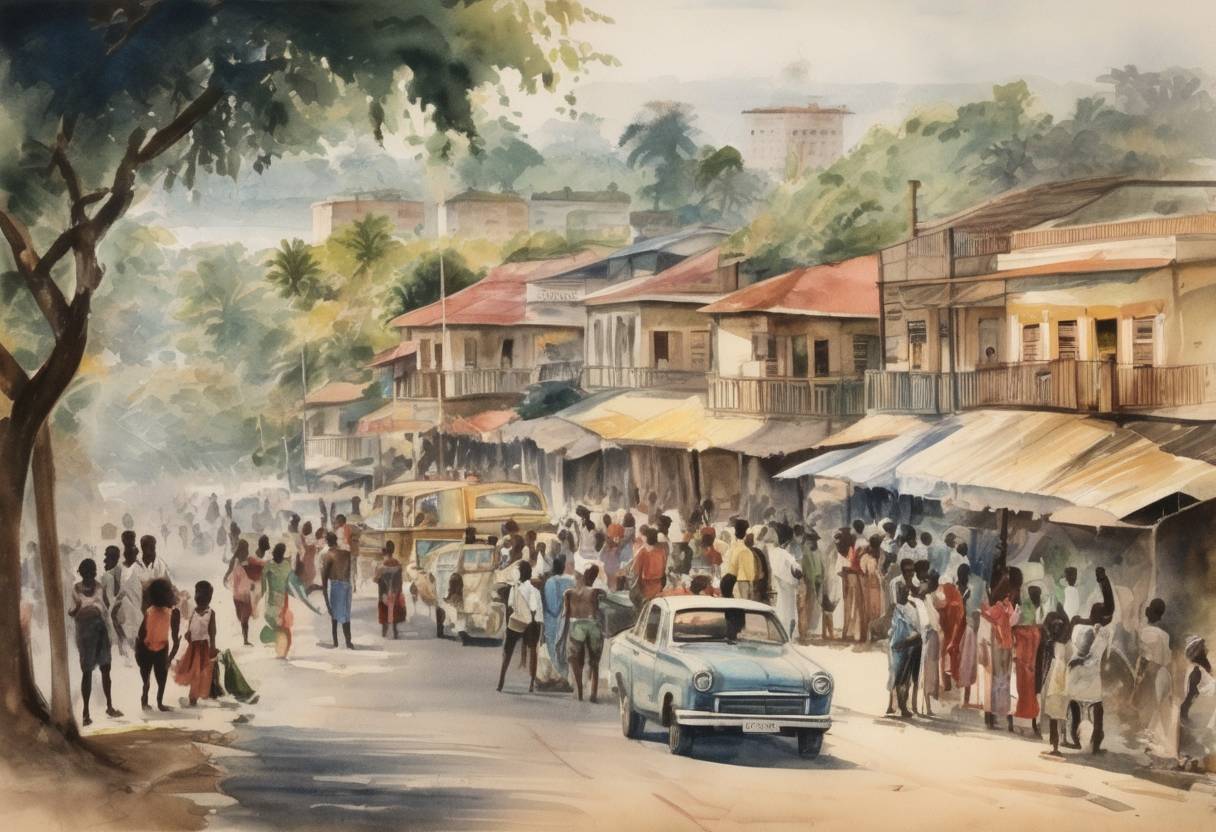
On October 2, 1958, Guinea made history by becoming the first French African colony to declare independence from France. This significant event marked a pivotal moment in the decolonization of Africa and set a precedent for other French colonies on the continent.
Colonial Rule: Guinea had been under French colonial rule since the late 19th century. It was part of French West Africa, a federation of eight territories governed by France.
Post-War Decolonization: After World War II, the global political landscape began to shift, with increasing pressure for decolonization. The rise of nationalist movements across Africa and Asia challenged European colonial powers.
The French Fourth Republic: In the post-war period, France attempted to maintain its colonial empire through reforms, offering limited self-governance to its colonies. However, these measures were often seen as insufficient by nationalist leaders.
The 1958 Referendum: In 1958, French President Charles de Gaulle proposed a new constitution for the Fifth Republic, which included a provision for a French Community. This community would allow colonies to have a degree of autonomy while remaining under French control.
Guinea’s Bold Decision: Guinea, led by the charismatic nationalist leader Ahmed Sékou Touré, was the only French colony to reject the new constitution in a referendum held on September 28, 1958. Touré famously declared, “We prefer poverty in freedom to riches in slavery.”
Immediate Independence: Following the referendum, Guinea declared its independence on October 2, 1958. This decision was met with swift and severe economic and political repercussions from France, which withdrew its aid and personnel from the country.
Economic Challenges: Guinea faced significant challenges post-independence, including economic isolation and the need to establish its own administrative and governance structures.
Inspiration for Other Colonies: Guinea’s successful bid for independence inspired other French colonies in Africa to pursue their own paths to sovereignty. Within a few years, many other African nations would follow suit.
Ahmed Sékou Touré’s Leadership: As the first President of Guinea, Touré’s leadership was marked by a strong stance on Pan-Africanism and non-alignment during the Cold War. However, his regime also faced criticism for authoritarian practices.
Guinea’s independence was a landmark event in the broader decolonization movement across Africa. It demonstrated the possibility of achieving sovereignty through decisive political action and set a precedent for the wave of independence movements that swept across the continent in the 1960s. The event underscored the declining power of European colonial empires and the rising tide of self-determination among colonized peoples.
Source: en.wikipedia.org