The End of the IRA Ceasefire: The London Docklands Bombing on February 9, 1996
1996 · London, United Kingdom
The Irish paramilitary group, the Provisional Irish Republican Army (IRA), ended its 18-month ceasefire with a bombing in London.
April 17, 1993
A Provisional Irish Republican Army (IRA) bomb is detonated in Bishopsgate, London, causing extensive damage in the City of London and killing one person.
London, United Kingdom | Provisional Irish Republican Army
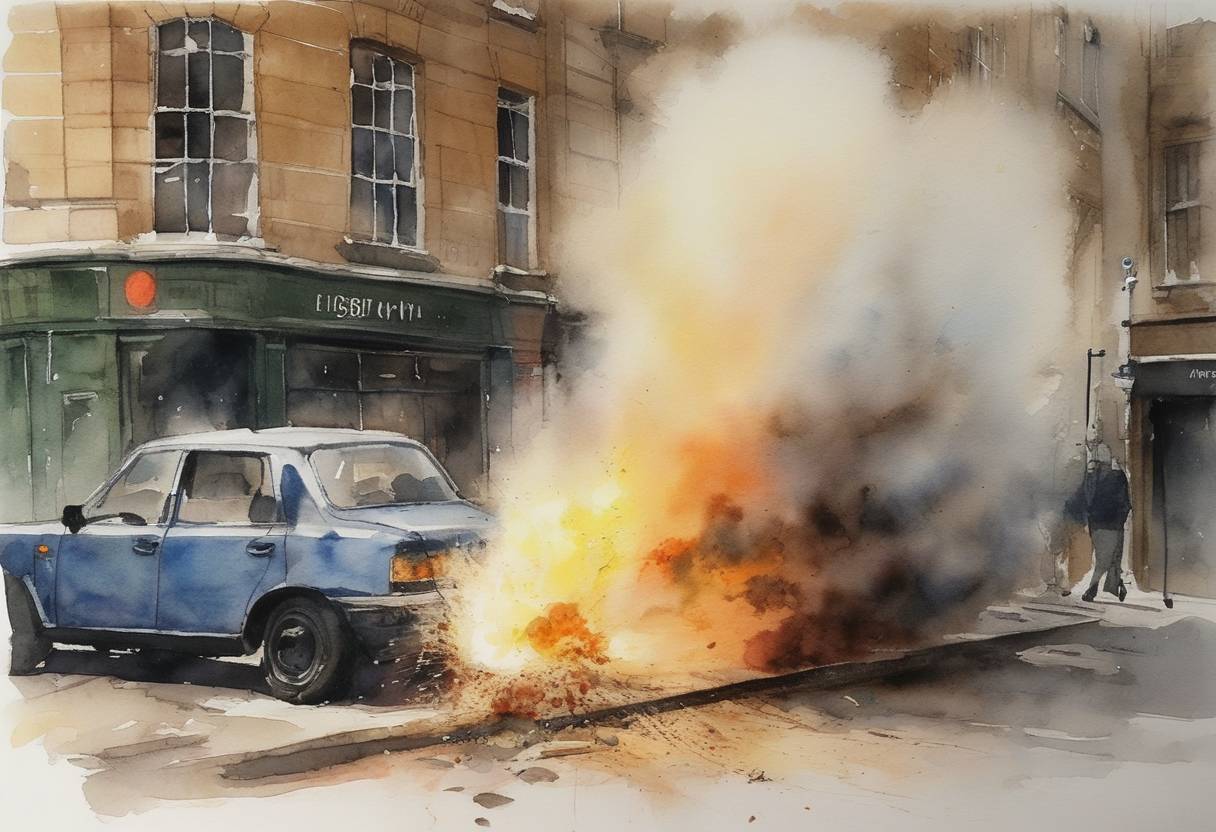
On April 17, 1993, a significant bombing took place in Bishopsgate, a major thoroughfare in the financial district of the City of London. This attack was carried out by the Provisional Irish Republican Army (IRA), part of their longstanding campaign against British rule in Northern Ireland.
Explosion Site: The bomb was detonated on Bishopsgate, an area known for being a hub of financial and commercial activity, housing numerous businesses and institutions.
Casualties: The explosion tragically resulted in the death of one person, a journalist named Edward Henty. Additionally, over 40 others were injured, some seriously.
Device: The bomb was massive, weighing approximately one ton, and was planted in a truck loaded with explosives. The explosive power resulted in extensive damage to the surrounding area.
Damage: The blast caused significant destruction to nearby buildings, shattering windows and leading to severe collateral structural damage. It is estimated that the cost of the damage was around £350 million, one of the costliest incidents of its kind in terms of damage to property.
Evacuation and Warning: Prior to the explosion, the IRA issued a warning. However, due to the scale of the bomb and the dense population of the area, evacuation efforts were only partially successful.
Purpose: The IRA’s campaign sought to bring attention to their cause by targeting significant locations in Britain, pressuring the UK government to change its policies regarding Northern Ireland.
Security Implications: Following this and similar attacks, security measures in London’s financial districts were significantly enhanced. This incident highlighted vulnerabilities within busy commercial areas and led to increased investment in closed-circuit television (CCTV) surveillance and other preventative measures.
Impact on Peace Process: While the bombing underscored the ongoing violence in the conflict, it simultaneously increased political momentum towards peace talks. Events like these contributed to a greater push for political solutions, eventually leading towards the Good Friday Agreement in 1998.
The Bishopsgate bombing remains a stark reminder of the conflict and the enduring impact of terrorist violence, influencing security policies and driving efforts towards long-lasting peace in the region.
Source: www.independent.co.uk