The Opening of the St. Lawrence Seaway
1959 · Montreal, Canada
The St. Lawrence Seaway, which allows ships to travel from the Atlantic Ocean to the Great Lakes, is officially opened to shipping.
May 30, 1832
The Rideau Canal was opened, connecting the city of Ottawa (then known as Bytown) to Lake Ontario and the Saint Lawrence River. It was built as a precautionary measure in the event of a war with the United States.
Ottawa, Canada | Royal Engineers
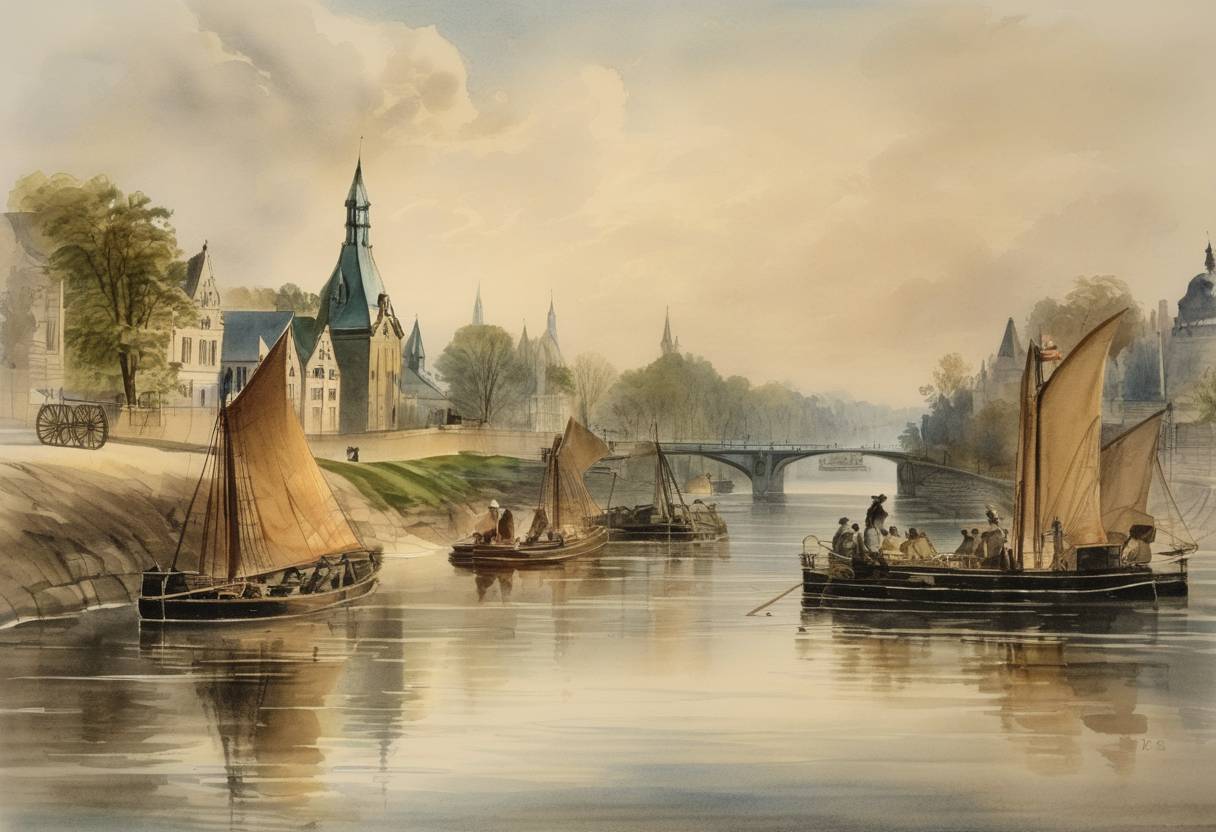
The Rideau Canal was officially opened on May 30, 1832. This significant infrastructure project connected Bytown (present-day Ottawa) to Kingston on Lake Ontario, effectively establishing a navigable waterway to the Saint Lawrence River. The canal’s construction was commissioned by the British government as a strategic military precaution during a time of heightened tensions and potential conflict between Britain and the United States.
The early 19th century was marked by lingering hostilities between the United States and British North America, stemming from the War of 1812. In the aftermath, the British sought to secure a safe and defensible supply route into the interior of Canada, one that would not be vulnerable to American forces potentially blockading the Saint Lawrence River.
Colonel John By of the Royal Engineers was tasked with overseeing the design and construction of the canal. Work began in 1826, covering a span of approximately 202 kilometers (125 miles). The project involved building a series of locks, dams, and artificial channels to accommodate vessels navigating the challenging terrain between Bytown and Kingston.
The construction was a formidable engineering challenge, confronted with Canada’s harsh climate and difficult geography. However, the canal was completed on schedule due to innovation and the labor-intensive efforts of thousands, including many Irish immigrants and French-Canadians working in arduous conditions.
Upon its completion, the Rideau Canal was both an engineering marvel and an economic boon to the region. Although it was constructed for military purposes, it primarily served as a commercial shipping route, facilitating trade and transport throughout Ontario. Over time, it contributed significantly to the economic development of Bytown, helping it evolve into the thriving city of Ottawa.
Moreover, the canal stands today as the oldest continuously operated canal system in North America and was inscribed as a UNESCO World Heritage Site in 2007 due to its historical importance and engineering ingenuity.
The Rideau Canal remains an enduring symbol of early Canadian ingenuity and British imperial strategy in North America. It now serves both as a tourist attraction and a leisure waterway, attracting visitors worldwide with its picturesque landscapes and historical significance.
Source: en.wikipedia.org