Barack Obama's Historic Visit to Cuba on March 20, 2016
2016 · Havana, Cuba
President Barack Obama becomes the first sitting U.S. president to visit Cuba in 88 years, marking a significant step in the thawing of relations between the two countries.
February 12, 2016
Pope Francis and Patriarch Kirill of the Russian Orthodox Church met in Havana, Cuba, marking the first meeting between the leaders of the Roman Catholic and Russian Orthodox Churches since the Great Schism of 1054.
Havana, Cuba | Roman Catholic Church, Russian Orthodox Church
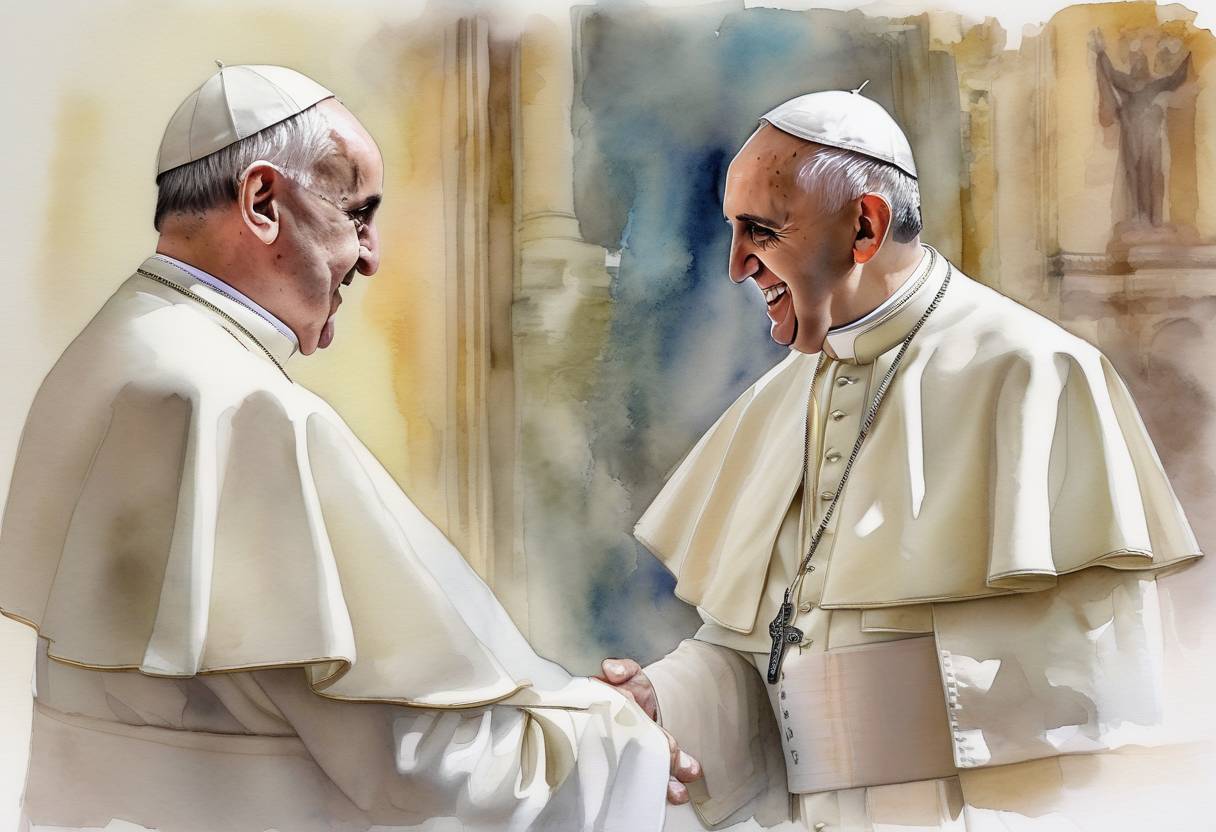
On February 12, 2016, a historic meeting took place between Pope Francis, the head of the Roman Catholic Church, and Patriarch Kirill of Moscow, the leader of the Russian Orthodox Church. This event marked the first meeting between the leaders of these two branches of Christianity since the Great Schism of 1054, which divided Christianity into Western (Roman Catholic) and Eastern (Orthodox) branches.
The Great Schism of 1054: This was a major event in Christian history that resulted in the separation of the Church into the Roman Catholic Church in the West and the Orthodox Church in the East. The split was due to a combination of theological disagreements, political conflicts, and cultural differences.
Centuries of Division: Over the centuries, various attempts were made to reconcile the two branches, but significant theological and political differences persisted. The meeting in 2016 was seen as a significant step towards healing this millennium-old rift.
Location: The meeting took place at José Martí International Airport in Havana, Cuba, a neutral location chosen to facilitate this historic encounter.
Significance: This was the first time a Pope and a Russian Orthodox Patriarch had met since the schism, symbolizing a potential thaw in relations and a desire for greater unity among Christians.
Joint Declaration: The leaders signed a joint declaration addressing various global issues, including the persecution of Christians in the Middle East, the importance of family values, and the need for cooperation between the two churches to address social and moral challenges.
Ecumenical Efforts: The meeting was a significant step in the ecumenical movement, which seeks to promote unity among different Christian denominations.
Geopolitical Context: The meeting also had geopolitical implications, as it occurred amidst tensions between the West and Russia. It highlighted the role of religious diplomacy in international relations.
Continued Dialogue: While the meeting did not resolve all theological differences, it opened the door for continued dialogue and collaboration on shared concerns, particularly the plight of Christians in conflict zones.
Positive Reception: The meeting was generally well-received by both Catholic and Orthodox communities, as well as by global leaders who saw it as a positive step towards greater religious harmony.
Ongoing Challenges: Despite the success of the meeting, significant theological and jurisdictional issues remain between the two churches. However, the encounter set a precedent for future interactions and cooperation.
In summary, the meeting between Pope Francis and Patriarch Kirill in 2016 was a landmark event in the history of Christianity, symbolizing a commitment to dialogue and unity after centuries of division. It underscored the potential for religious leaders to play a role in addressing global challenges and fostering peace.
Source: www.bbc.com