The Theft of the Mona Lisa: August 21, 1911
1911 · Paris, France
The Mona Lisa is stolen from the Louvre by a museum employee.
March 17, 1901
A showing of 71 Vincent van Gogh paintings in Paris, 11 years after his death, created a sensation and established his reputation as a great artist.
Paris, France | Art Exhibition
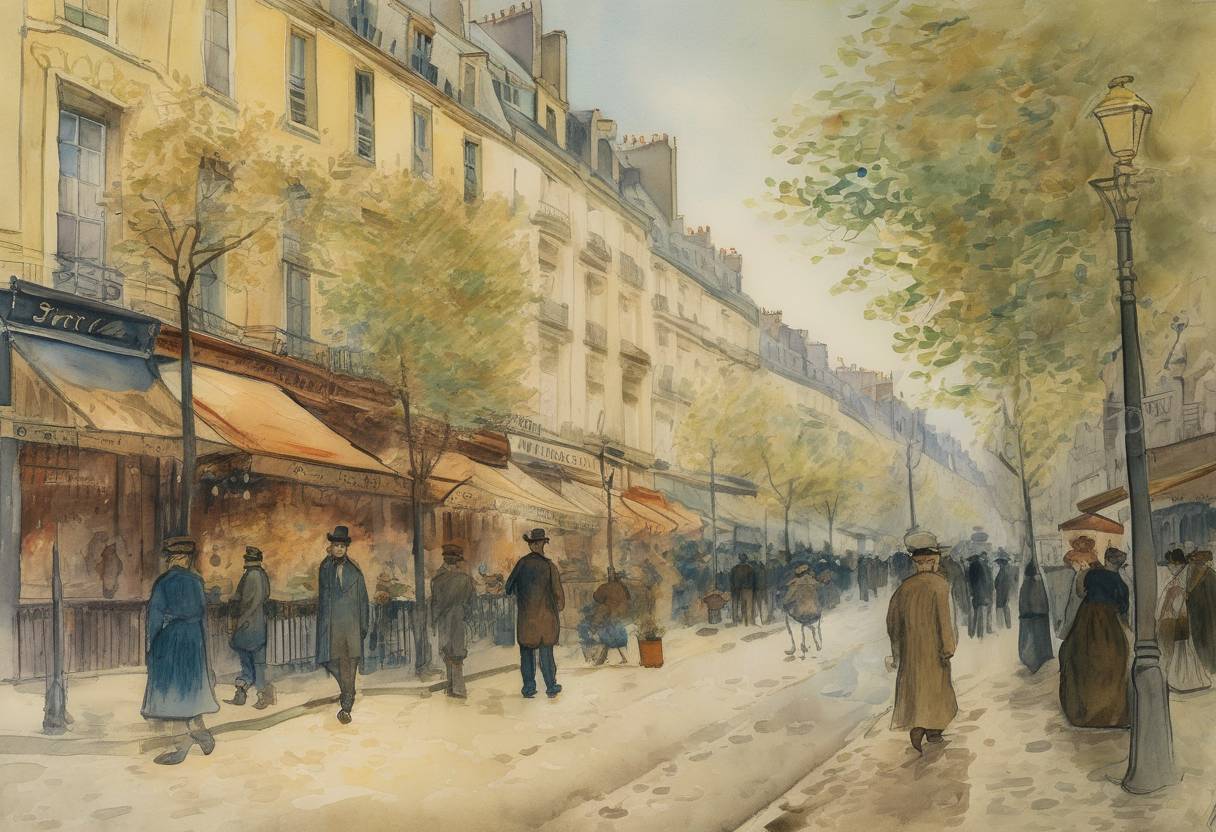
On March 17, 1901, an exhibition of 71 paintings by Vincent van Gogh was held at the Galerie Bernheim-Jeune in Paris. This event marked a pivotal moment in the posthumous recognition of van Gogh’s work, occurring 11 years after his death in 1890. The exhibition played a crucial role in establishing van Gogh’s reputation as one of the great artists of his time.
Vincent van Gogh’s Lifetime: During his lifetime, van Gogh struggled with mental health issues and financial instability. Despite producing over 2,000 artworks, including around 860 oil paintings, he sold very few pieces and remained largely unrecognized by the art world.
Death and Initial Reception: Van Gogh died in 1890 from a gunshot wound, widely believed to be self-inflicted. At the time of his death, he was not well-known outside a small circle of artists and collectors.
Support from Family: After his death, van Gogh’s brother, Theo, who had been a significant supporter and confidant, also passed away. Theo’s widow, Johanna van Gogh-Bonger, played a crucial role in preserving and promoting van Gogh’s work. She organized exhibitions and worked tirelessly to ensure his art received the attention it deserved.
Venue and Organization: The exhibition was held at the Galerie Bernheim-Jeune, a prominent Parisian gallery known for showcasing avant-garde artists. The event was organized by art dealer Ambroise Vollard, who was instrumental in promoting post-impressionist artists.
Public and Critical Reception: The exhibition was a sensation, drawing significant attention from both the public and art critics. It was one of the first major displays of van Gogh’s work in Paris, allowing a broader audience to appreciate his unique style and emotional depth.
Impact on Van Gogh’s Reputation: The success of the exhibition helped to cement van Gogh’s status as a pioneering figure in modern art. His use of bold colors, expressive brushwork, and emotive subject matter resonated with the burgeoning modernist movement.
Influence on Modern Art: Van Gogh’s work became a major influence on subsequent generations of artists, particularly those involved in the Fauvism and Expressionism movements. His innovative approach to color and form inspired many to explore new artistic directions.
Legacy: Today, Vincent van Gogh is celebrated as one of the most influential figures in Western art history. His paintings are among the most recognized and revered in the world, with works like “Starry Night” and “Sunflowers” achieving iconic status.
The 1901 exhibition in Paris was a turning point that transformed van Gogh from an obscure artist into a celebrated master, whose work continues to captivate and inspire audiences worldwide.
Source: en.wikipedia.org