The XXII Olympic Winter Games in Sochi, Russia
2014 · Sochi, Russia
The XXII Olympic Winter Games opened in Sochi, Russia, marking the first time the Winter Olympics were held in Russia.
February 24, 2014
The Winter Olympics concluded in Sochi, Russia, with Russia leading the medal count with 33 medals, including 13 golds.
Sochi, Russia | International Olympic Committee
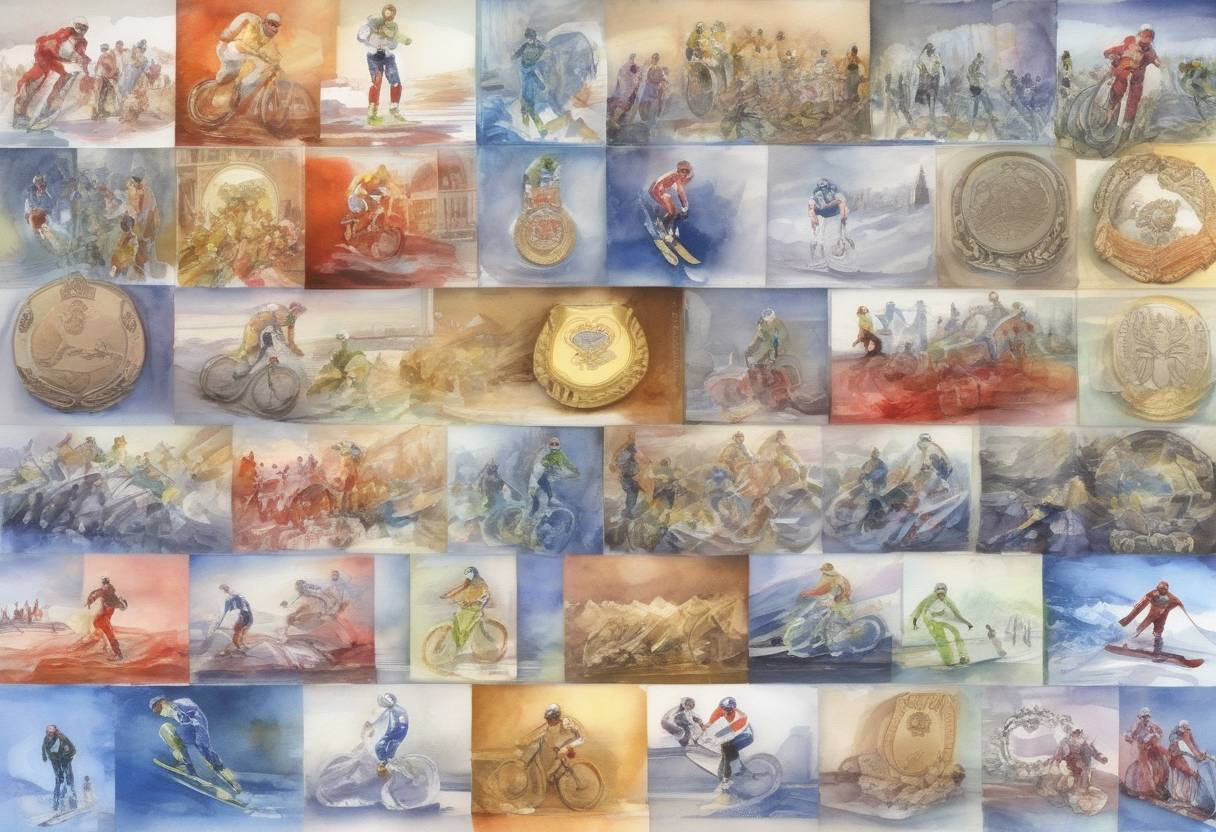
On February 24, 2014, the XXII Olympic Winter Games concluded in Sochi, Russia. This event marked a significant moment in Olympic history, not only for its scale and the controversies surrounding it but also for Russia’s dominant performance in the medal standings.
The 2014 Winter Olympics were held from February 7 to February 23, 2014, in Sochi, a city on the Black Sea coast. This was the first time that the Winter Olympics were hosted by Russia, although the Soviet Union had previously hosted the Summer Olympics in Moscow in 1980. The Sochi Games were notable for being the most expensive Olympics in history at the time, with costs estimated to exceed $50 billion.
Opening Ceremony: The Games opened with a grand ceremony on February 7, showcasing Russian culture and history. Despite a minor technical glitch during the ceremony, it was widely praised for its artistic presentation.
Athletic Achievements: Over 2,800 athletes from 88 nations competed in 98 events across 15 sports disciplines. New events were introduced, including women’s ski jumping and mixed relay biathlon.
Russia’s Performance: Russia emerged as the leading nation in the medal tally, securing a total of 33 medals, including 13 golds. This was a significant achievement for the host nation, which had invested heavily in training and facilities to ensure a strong performance.
Notable Athletes: Among the standout athletes were Russian figure skater Adelina Sotnikova, who won gold in the women’s singles, and Norwegian cross-country skier Marit Bjørgen, who added three gold medals to her career tally, becoming one of the most decorated Winter Olympians.
The Sochi Olympics were not without controversy. Issues included:
Security Concerns: There were significant security concerns due to the proximity of Sochi to the volatile North Caucasus region. The Russian government implemented extensive security measures to ensure the safety of the Games.
Human Rights Issues: The Games were also overshadowed by international criticism of Russia’s laws against LGBTQ+ propaganda, which led to protests and calls for boycotts.
Doping Allegations: In the years following the Games, allegations of state-sponsored doping in Russia emerged, leading to investigations and sanctions against Russian athletes and officials.
The Sochi Winter Olympics left a mixed legacy. While they showcased Russia’s ability to host a major international event and provided a boost to winter sports in the country, the financial cost and subsequent doping scandals cast a long shadow. The infrastructure developed for the Games has continued to be used for sporting events and tourism, contributing to the region’s economic development.
In summary, the 2014 Winter Olympics in Sochi were a landmark event for Russia, marked by impressive athletic performances and significant geopolitical and social challenges. The Games highlighted both the potential and the complexities of hosting such a large-scale international event.
Source: www.olympic.org