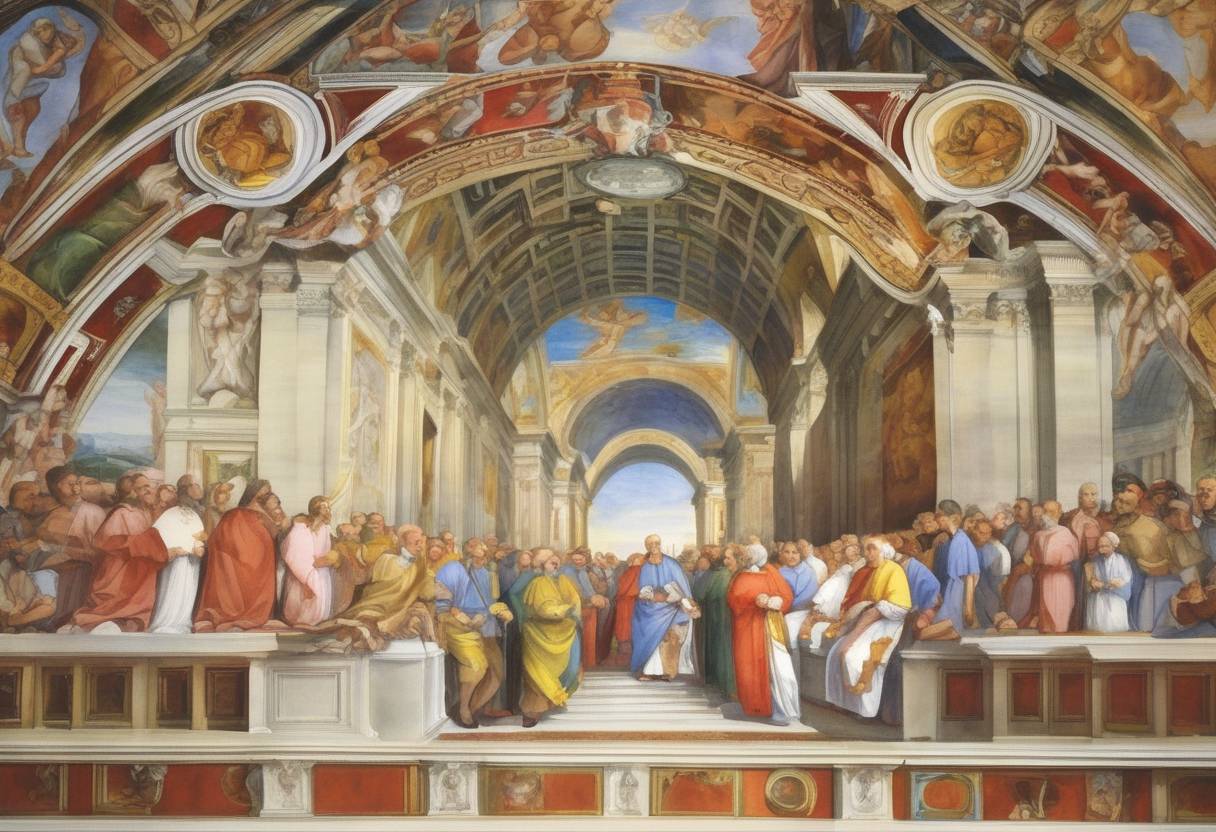
Consecration of the Sistine Chapel
On August 15, 1483, the Sistine Chapel, one of the most renowned religious and artistic sites in the world, was consecrated by Pope Sixtus IV. This event marked the official dedication of the chapel, which would later become famous for its stunning frescoes, including Michelangelo’s ceiling masterpiece.
Historical Context
- Pope Sixtus IV: Born Francesco della Rovere, he became Pope in 1471. His papacy is noted for its patronage of the arts and significant architectural projects in Rome, including the construction of the Sistine Chapel.
- Purpose of the Chapel: The Sistine Chapel was built to serve as the pope’s private chapel and the site for papal conclaves, where new popes are elected. It was named after Pope Sixtus IV, who commissioned its construction.
Construction and Design
- Architectural Design: The chapel was designed by Baccio Pontelli and constructed under the supervision of Giovannino de’ Dolci. Its design was inspired by the dimensions of Solomon’s Temple as described in the Old Testament.
- Initial Decoration: Before Michelangelo’s involvement, the chapel’s walls were adorned with frescoes by prominent artists of the time, including Sandro Botticelli, Domenico Ghirlandaio, and Pietro Perugino. These works depicted scenes from the lives of Moses and Christ.
Consecration Ceremony
- Date and Significance: The consecration took place on the Feast of the Assumption, a significant date in the Catholic calendar, celebrating the Virgin Mary’s ascent to heaven.
- Religious Importance: The consecration ceremony was a pivotal moment, marking the chapel as a sacred space for worship and significant ecclesiastical events.
Aftermath and Legacy
- Michelangelo’s Contribution: In 1508, Pope Julius II commissioned Michelangelo to paint the chapel’s ceiling, resulting in one of the most celebrated works of art in history, completed in 1512. Later, Michelangelo also painted “The Last Judgment” on the altar wall, completed in 1541.
- Cultural Impact: The Sistine Chapel remains a symbol of Renaissance art and papal authority. It continues to attract millions of visitors each year, who come to admire its artistic and historical significance.
Broader Historical Significance
- Renaissance Patronage: The consecration and subsequent decoration of the Sistine Chapel exemplify the Renaissance era’s emphasis on art and humanism, supported by the Catholic Church’s patronage.
- Religious and Political Influence: As the site of papal conclaves, the Sistine Chapel plays a crucial role in the Catholic Church’s governance, influencing religious and political landscapes over the centuries.
The consecration of the Sistine Chapel by Pope Sixtus IV on August 15, 1483, set the stage for its enduring legacy as a masterpiece of art and a central site of Catholic worship and governance.