Lance Armstrong's Seventh Tour de France Victory: July 24, 2005
2005 · Paris, France
Lance Armstrong won his seventh consecutive Tour de France, a record at the time, although these titles were later stripped due to doping charges.
October 2, 1996
Lance Armstrong was diagnosed with testicular cancer, later leading to his successful treatment and comeback.
Austin, United States
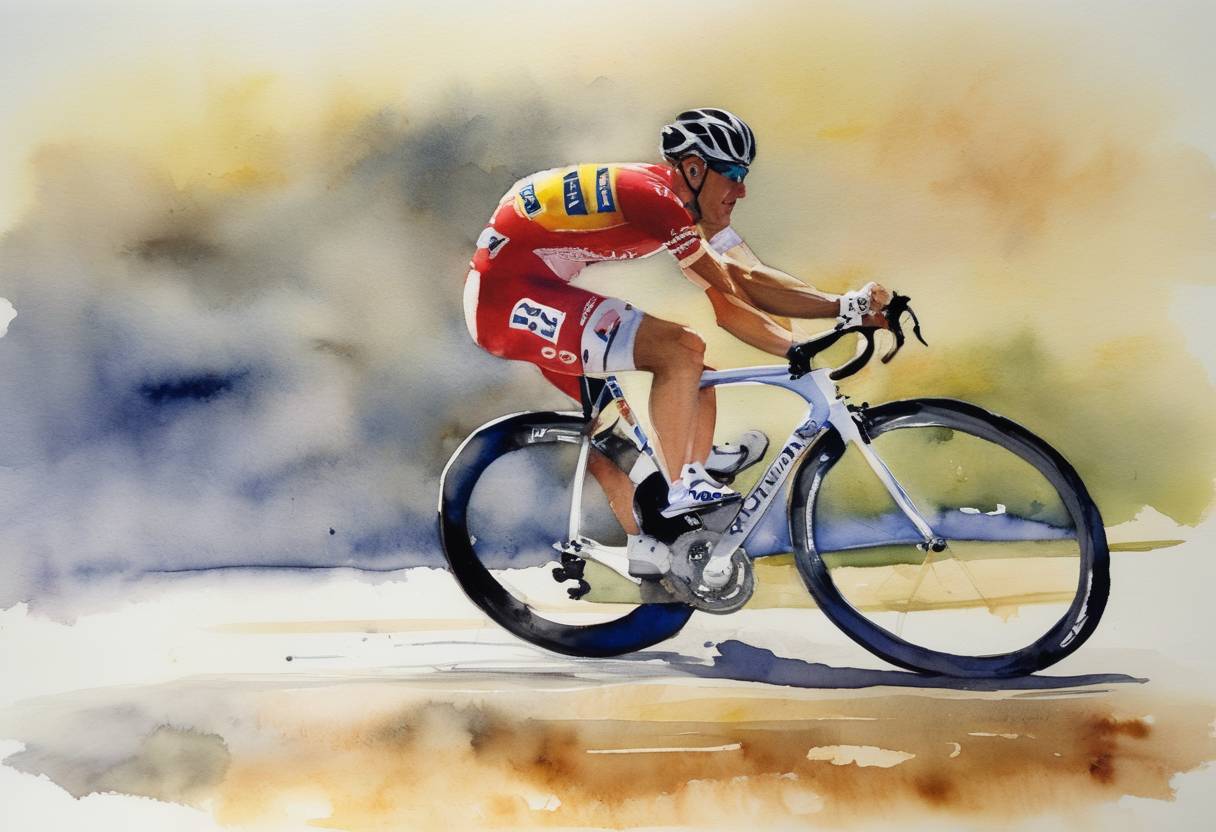
On October 2, 1996, professional cyclist Lance Armstrong was diagnosed with stage three testicular cancer. The diagnosis marked a pivotal moment in Armstrong’s life and career, profoundly impacting his future endeavors both on and off the cycling circuit.
Prior to the diagnosis, Armstrong had already established himself as a formidable competitor in professional cycling. He turned professional in 1992 and quickly made a name for himself within the sport. However, by 1996, Armstrong began experiencing concerning symptoms, including coughing up blood and suffering from severe headaches, which led to an eventual medical consultation.
Upon examination, doctors discovered that the cancer had metastasized to his abdomen, lungs, and brain. Such extensive spread of the disease placed him in a category of serious risk, with his chances of survival estimated to be less than 50%.
Armstrong underwent a rigorous treatment regimen following his diagnosis. The initial treatment required the surgical removal of his diseased testicle, followed by chemotherapy. Opting for a less toxic form of chemotherapy helped to mitigate the potential long-term damage to his lungs, which was vital for a professional cyclist dependent on peak respiratory functioning.
Remarkably, Armstrong responded well to the treatment, showcasing resilience and determination. By early 1997, his cancer was declared in remission, allowing Armstrong to gradually resume training.
Lance Armstrong’s return to professional cycling culminated in an extraordinary comeback. In 1999, he won his first Tour de France title, embarking on a historic streak that saw him claim seven consecutive Tour victories from 1999 to 2005. His recovery and success became a source of inspiration worldwide, and he used his story to raise awareness for cancer through the Lance Armstrong Foundation, now known as the Livestrong Foundation.
While Armstrong’s reputation was later complicated by doping allegations, his journey from a cancer diagnosis to becoming a celebrated champion remains a powerful narrative of resilience. His efforts to destigmatize cancer and support those battling the disease have had lasting impacts beyond the world of sports.
Source: en.wikipedia.org