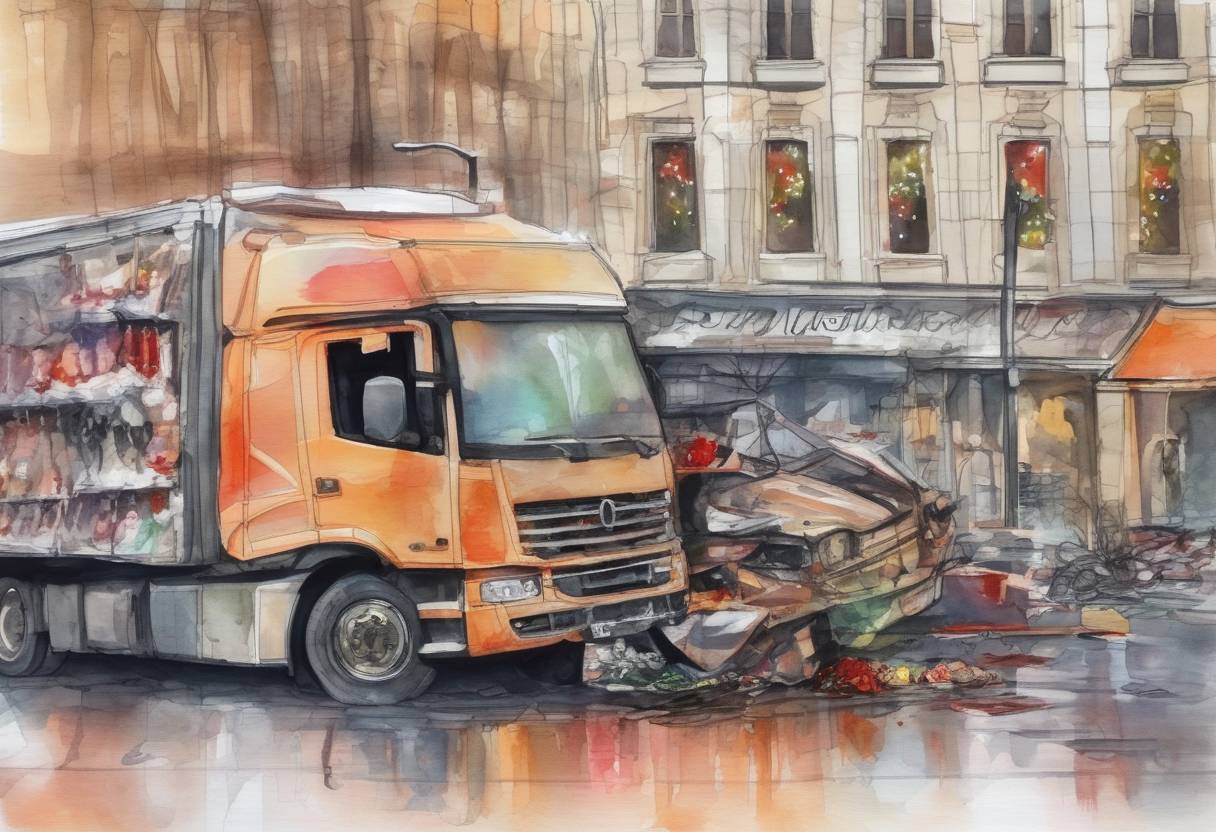
Berlin Christmas Market Attack - December 19, 2016
On December 19, 2016, a tragic event unfolded at the Breitscheidplatz Christmas market in Berlin, Germany. A truck was deliberately driven into the crowded market, resulting in the deaths of 12 people and injuring 56 others. This attack was later claimed by the Islamic State of Iraq and the Levant (ISIL), marking it as a significant act of terrorism in Europe.
Context and Background
- Location: The attack took place at the Breitscheidplatz Christmas market, one of Berlin’s most popular holiday destinations, located near the Kaiser Wilhelm Memorial Church.
- Timing: The incident occurred during the evening, around 8:00 PM local time, when the market was bustling with visitors enjoying the festive atmosphere.
The Attack
- The Perpetrator: The truck was hijacked by Anis Amri, a Tunisian asylum seeker who had been under surveillance by German authorities for his connections to extremist groups.
- The Vehicle: The truck, a 40-tonne lorry, was originally registered in Poland. It was hijacked from its Polish driver, who was later found dead in the vehicle.
- Execution: Amri drove the truck into the market at high speed, plowing through stalls and visitors, causing chaos and destruction.
- Casualties: The attack resulted in 12 fatalities, including the Polish driver, and injured 56 others, some critically.
- Manhunt: Following the attack, a massive manhunt was launched across Europe to capture Amri, who initially evaded capture.
Claim of Responsibility
- ISIL’s Involvement: The Islamic State of Iraq and the Levant (ISIL) claimed responsibility for the attack, stating that Amri was a “soldier” of the group. This claim was consistent with ISIL’s strategy of encouraging lone-wolf attacks in Western countries.
Consequences and Reactions
- Security Measures: The attack prompted Germany and other European nations to reassess and tighten their security measures, especially around public events and gatherings.
- Political Impact: The incident intensified the debate over immigration and asylum policies in Germany, influencing public opinion and political discourse.
- Capture and Death of Amri: Anis Amri was eventually located and killed in a shootout with police in Milan, Italy, on December 23, 2016, after being identified during a routine police check.
Broader Historical Significance
- Terrorism in Europe: The Berlin attack was part of a series of terrorist incidents in Europe during this period, highlighting the ongoing threat posed by extremist groups.
- Impact on Public Sentiment: It contributed to growing concerns over national security and the challenges of integrating refugees and migrants, influencing political landscapes across Europe.
The Berlin Christmas market attack remains a somber reminder of the vulnerabilities faced by open societies and the persistent threat of terrorism. It underscores the importance of international cooperation in combating extremism and ensuring public safety.