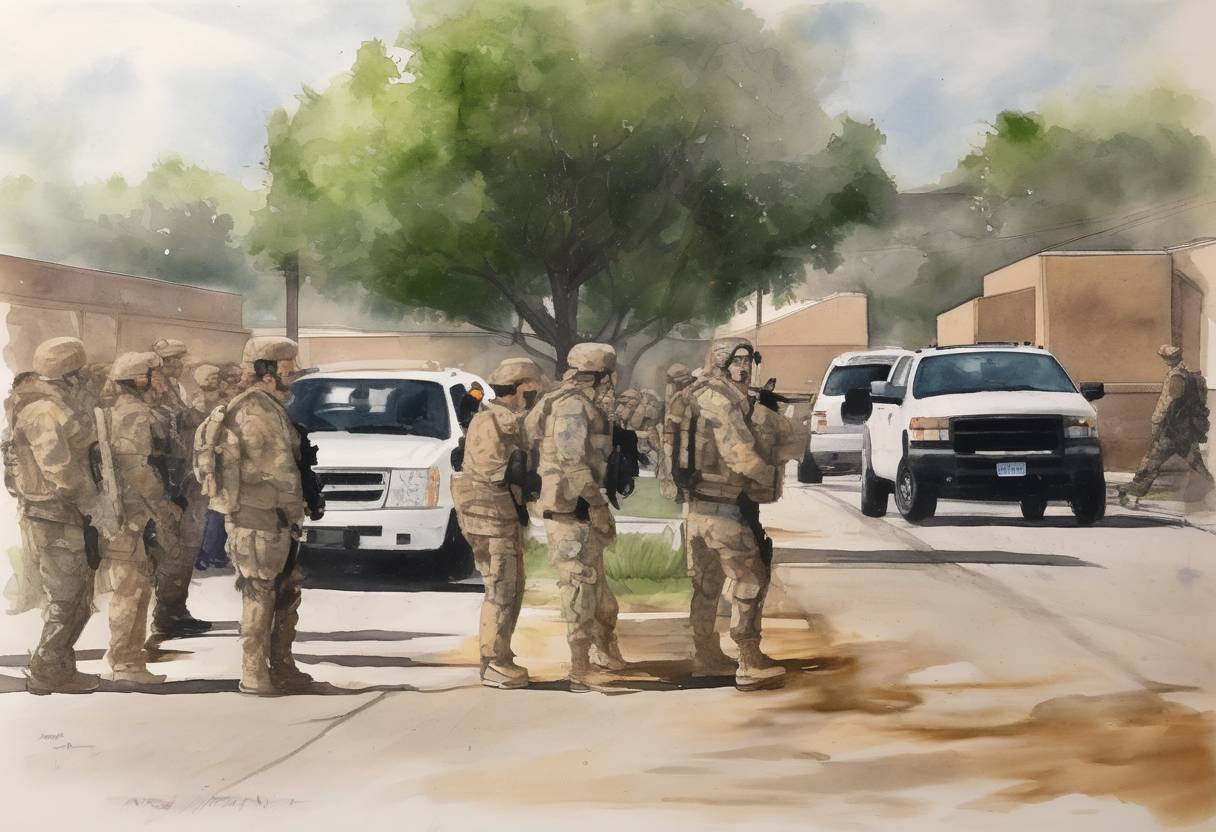
Fort Hood Shooting - November 5, 2009
On November 5, 2009, a tragic mass shooting occurred at Fort Hood, a U.S. Army post located near Killeen, Texas. The perpetrator, Nidal Hasan, a U.S. Army major and psychiatrist, opened fire at the Soldier Readiness Processing Center, where soldiers were preparing for deployment to Afghanistan and Iraq.
Background
- Nidal Hasan: Born in Arlington, Virginia, Hasan was a psychiatrist in the U.S. Army. Prior to the shooting, he had expressed concerns about being deployed to combat zones and had shown signs of distress over U.S. military actions in Muslim countries.
- Fort Hood: As one of the largest military installations in the world, Fort Hood plays a critical role in the preparation and deployment of U.S. troops.
The Incident
- Date and Time: The shooting began around 1:34 PM local time on November 5, 2009.
- Location: The attack took place at the Soldier Readiness Processing Center, a facility where soldiers receive medical and dental check-ups before deployment.
- Casualties: Hasan killed 13 people and injured more than 30 others. The victims included both military personnel and civilians.
Response and Aftermath
- Immediate Response: Civilian police officers responded quickly to the scene. Officer Kimberly Munley engaged Hasan, and despite being wounded, she and her partner, Sergeant Mark Todd, managed to subdue and capture him.
- Legal Proceedings: Hasan was charged with 13 counts of premeditated murder and 32 counts of attempted murder. In 2013, he was convicted and sentenced to death.
- Impact on Military Policy: The shooting prompted a reevaluation of security measures at military bases and raised questions about the mental health support provided to service members.
Broader Significance
- Terrorism Concerns: The incident was classified as a terrorist attack by some due to Hasan’s reported motivations and communications with extremist figures.
- Mental Health in the Military: The shooting highlighted the need for improved mental health care and monitoring within the military, particularly for those experiencing distress related to deployment.
The Fort Hood shooting remains one of the deadliest attacks on a U.S. military base and has had lasting implications for military policies and the handling of insider threats.